The FDA's acting head of food on Tuesday admitted crafting its highly anticipated definition of ultraprocessed foods is proving "quite challenging," though he added it's still a "priority" for the agency.
"Just because it's a tough challenge, it doesn't mean it's something that we should shy away from," Donald Prater, FDA's acting deputy commissioner for food, said during a keynote at the IFT First conference in Chicago.
Health and Human Services Secretary Robert F. Kennedy Jr. has pushed the FDA to define ultraprocessed foods, which could inform future regulations, including front-of-pack labeling or ingredient restrictions. Kennedy, who has called ultraprocessed foods "poison," initially said the agency would release a proposed definition by April, though it has yet to do so.
The science around ultraprocessed food is still developing, Prater said, and there are "a variety of definitions that are being used out there." This is making it challenging for the U.S. to come up with its own. The FDA is looking at different proposals that have been developed to "try to find something that makes sense," he told the audience at IFT.
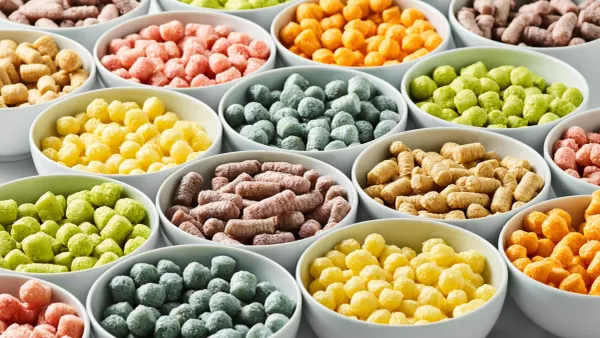
Ultraprocessed foods such as chips, sodas and packaged bread make up more than half of the total dietary energy consumed in high-income countries, including the U.S., according to the National Institutes of Health. Studies have linked these foods to negative outcomes, including cardiovascular disease, Type 2 diabetes and obesity.
However, some foods such as whole grain bread, yogurt and tofu may be considered ultraprocessed under many definitions, which has made it difficult for regulators to come up with a singular definition.
Last October, California became the first state to provide a definition as part of a ban on ultraprocessed foods in school meals. It has yet to announce, however, which are the “most concerning" foods that should be prohibited.
Prater said coming up with an ultraprocessed foods definition is essential for helping consumers make healthier choices. In addition to the ultraprocessed definition, the FDA is working on a front-of-pack nutrition labeling rule to make calorie and added sugar information more prominent while helping consumers quickly identify key nutritional information.
"As Secretary Kennedy recently said, FDA's role is not to ban ultraprocessed food," Prater said. "Our role is to ensure that the food supply is safe, that labeling is truthful and not misleading, and that consumers have the information they need to make informed choices for themselves and their families."
Some companies have already moved to reformulate ahead of any new definition or regulations. While most companies have focused on removing artificial colors to comply with a voluntary FDA deadline at the end of the year, some have gone farther by removing preservatives or other ingredients of concern to consumers.
Sara Lee owner Bimbo Bakeries USA said last week will remove artificial preservatives and emulsifiers from five top brands as part of a clean-label overhaul of its portfolio.