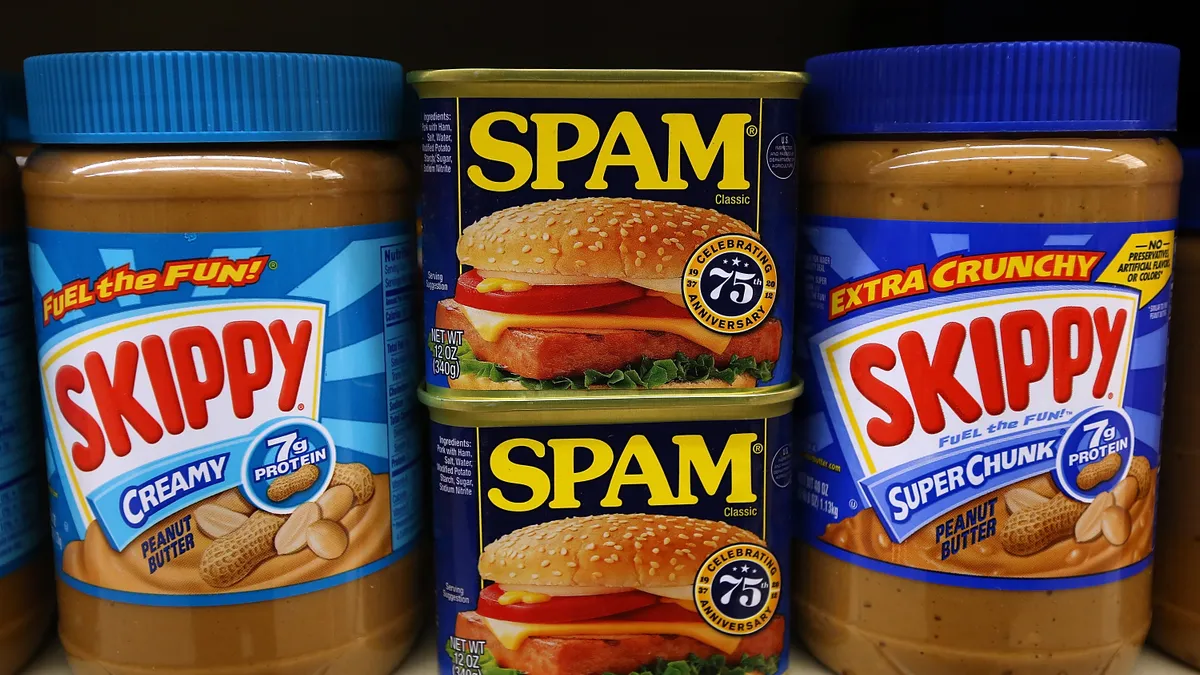
Hormel Foods’ “protein-centric” portfolio is giving the Spam and Jennie-O turkey maker a “unique” growth opportunity compared to other food makers struggling from a sharp pullback in consumer spending, a top executive said.
The 135-year-old company manufactures everything from Applegate organic meats and its namesake chili to Planters nuts and Skippy peanut butter, with a presence in nearly every eating occasion and shopping channel. Its meat and nut brands are a natural source of protein, which has helped Hormel generate six consecutive quarters of organic sales growth, said John Ghingo, the company’s president.
“Protein, in particular, has seen real resilience,” Ghingo said. “As I think about us relative to the [rest of the food] industry, the fact that our portfolio is centered around protein is a really good place to be. The plot is as relevant as ever, and the growth opportunity is as ripe as ever for us.”
An estimated 70% of Americans say they want more protein in their diets compared to 59% four years ago, according to the International Food Information Council. Expanding GLP-1 use has further fueled demand as consumers on weight-loss drugs need more protein to fill nutritional gaps.
The consumer’s seemingly endless appetite for protein isn’t going away anytime soon, Ghingo said. Protein has expanded beyond muscle building to encompass a host of other benefits such as gut health, weight loss, aging and bone health. In addition, its popularity among different age demographics — ranging from Boomers to Gen Z and millennials — also bodes well for the longevity of protein demand.
The popular nutrient has infiltrated nearly every aisle of the grocery store, with protein finding its way into Pop-Tarts, Kraft Mac & Cheese and Doritos. But Hormel's portfolio gives it an advantage because the protein in its products comes from natural sources rather than being added, which can sometimes upend the item’s taste, texture or create a sense of artificiality.
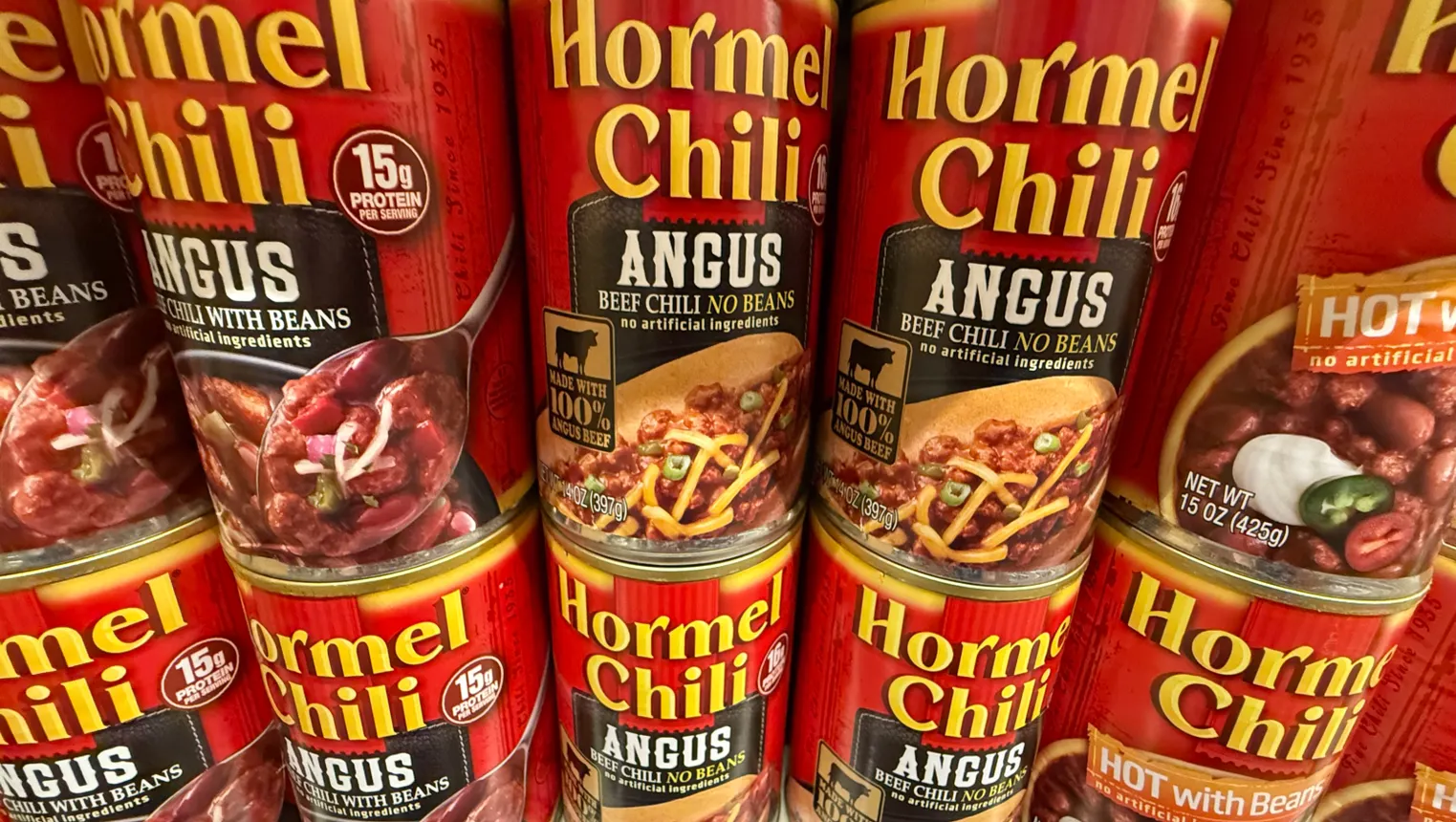
The company, with more than $12 billion in sales annually, is now moving aggressively to make its protein-heavy brands more conducive to today's snacking and convenience trends.
It has launched portable packs for Skippy, Planters and Columbus meats, while debuting snackable versions of its larger Hormel Gatherings meat and cheese line traditionally used for entertaining. It’s also made protein claims on its labels clearer and more readable for time-crunched shoppers.
Unlike other food companies, Ghingo said Hormel doesn't tie itself to a specific part of the day. Its diverse mix of snacks, nuts, meats, stews and chilies are available in grocery stores, C-stores, foodservice establishments and other channels. This gives Hormel a presence whenever or wherever a consumer might reach for protein.
“Depending on the occasion, depending on the trend, depending on the solution, consumers may want poultry, they may want a plant-based protein, they may want something like beef,” Ghingo observed. “We’re in an incredible position to actually capitalize on the growth trend as a result of this diversified protein portfolio that has been built over many decades.”
Hormel traces its roots to 1891, when George A. Hormel opened a provisions store selling pork, poultry and dairy products in Austin, Minnesota. The Fortune 500 company is still headquartered there today.
Hormel eventually expanded its food empire by launching Dinty Moore stew and Hormel Chili in 1935 before rolling out Spam two years later. Hormel has turned to M&A to broaden its portfolio more recently, purchasing Skippy, Applegate and Planters within the last 20 years.
The company’s portfolio is heavily skewed toward retail, which makes up more than 60% of its sales. But foodservice, at close to one-third of its business, remains a bright spot.
Hormel’s foodservice division has grown sales for 11 consecutive quarters as the company works with restaurants and other establishments to cut costs and boost efficiencies in what is a challenging environment for the sector.
While Hormel is committed to growing its existing portfolio, Ghingo said the company is on the lookout for brands it can purchase “that fit our playbook of where we can create and add some value.”
The most likely acquisition targets include offerings in foodservice that enable Hormel to offer more solutions for its customers as well as fast-growing or trendy categories in retail, such as protein. Hormel is also looking internationally, specifically in regions such as the Asia Pacific.
“That will be a part of our playbook going forward,” he said.