The FDA said it is considering new guidance for labeling caffeine content on food and beverages as part of its regulatory priority list for 2026.
The disclosure comes as energy drinks and other high-caffeine beverages face mounting scrutiny for allegedly failing to provide adequate warnings about potential risks, particularly to children. Texas Attorney General Ken Paxton launched an investigation into Celsius Holdings in June after a 17-year-old Alani Nu consumer died from an enlarged heart allegedly caused by excessive caffeine consumption.
Currently, packaged foods and beverages are required to include caffeine in ingredient lists when it is added as a standalone ingredient. However, if an ingredient such as coffee or chocolate chips inherently contains caffeine, then it does not need to be listed. Instead, only the caffeine-containing ingredient would be included — meaning consumers would need to know that substances like chocolate contain caffeine.
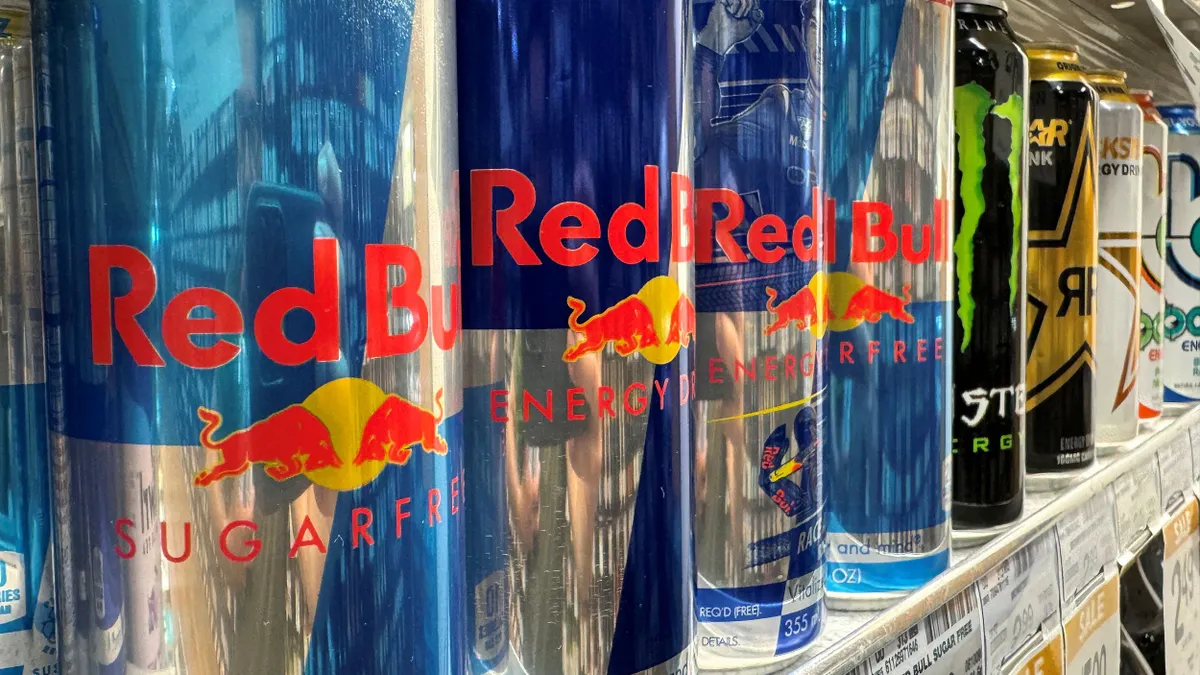
No regulation specifies that food and beverage makers declare the actual amount of caffeine added, according to Registrar Corp, though many energy drinks voluntarily provide caffeine levels on their labels. The FDA currently does not have regulations specific to energy drinks.
The FDA has sent companies warning letters in the past for products containing potentially dangerous amounts of caffeine, but has largely focused its efforts on makers of coffee concentrates and powders that require consumers to dilute with water. In 2018, the FDA changed guidelines on highly-concentrated caffeine to ensure that bulk concentrates could not cause health issues if a consumer inadvertently mismeasured or misunderstood directions.
In addition to potential clarifications on caffeine labeling, the agency said it is also prioritizing clarified guidance for using the "healthy" claim on food products. Last year, the FDA delayed implementation of a rule making it harder for many food companies to label their products as “healthy.” Some in the industry took this move as a sign the agency could reopen the regulation and change the definition.
The agency has set out an ambitious regulatory priority list for 2026, including a plan to define ultraprocessed foods and encourage the food industry to lower added sugar.