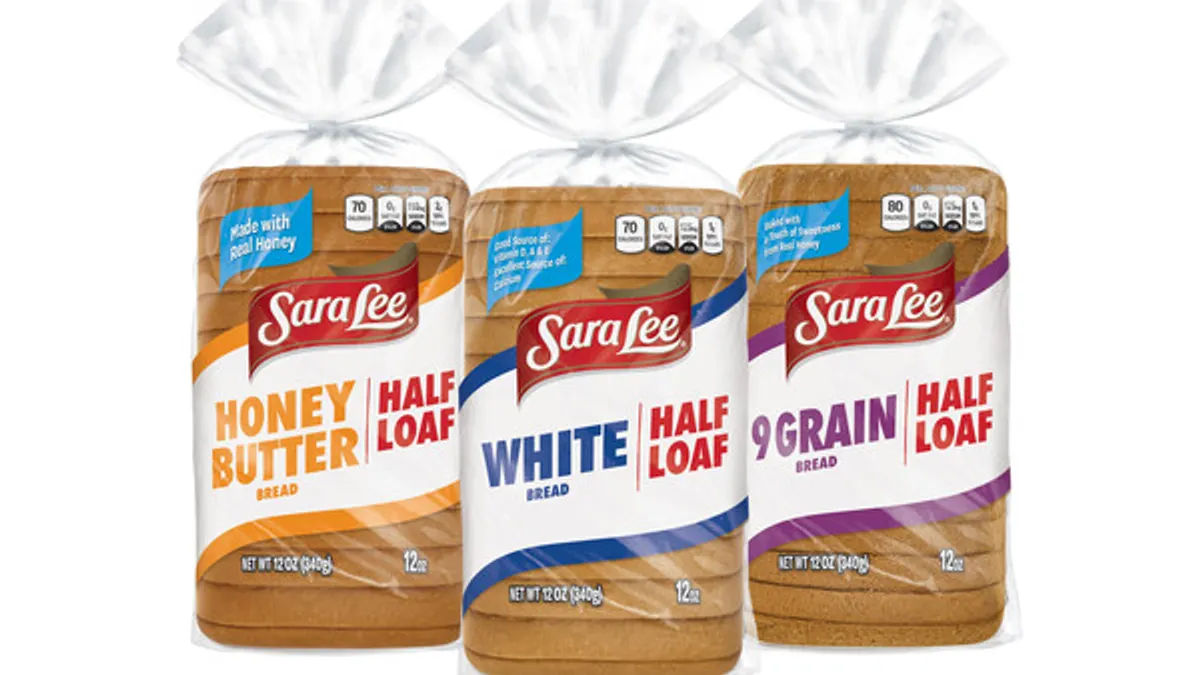
Sara Lee owner Grupo Bimbo plans to invest $1 billion in the U.S during the next two years as the Mexico-based bakery giant deepens its presence in one of its largest markets.
Bimbo said the funding will in part support product innovation, nutrition enhancements and efforts around affordability. It will also invest in expanded regenerative agriculture partnerships with suppliers.
“This investment aligns with our disciplined capital allocation strategy and long-term objectives in the United States, reinforcing our commitment to the market and our focus on driving growth and innovation,” Diego Gaxiola, Grupo Bimbo’s CFO, said in a statement.
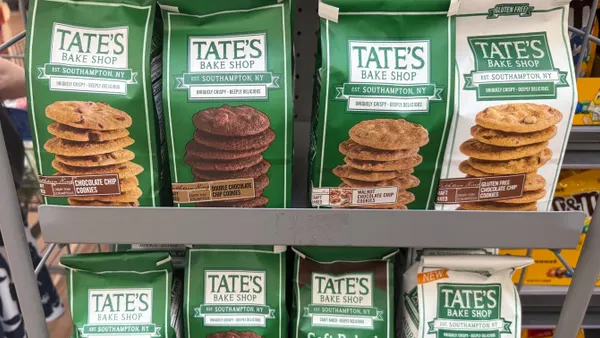
Bimbo, which also owns Entenmann’s pastries and Thomas’ English muffins, recently announced it is relocating its headquarters to the Dallas area from Horsham, Pennsylvania, to better position itself for growth. The new location provides Bimbo with a more centralized location in the U.S. and puts the business closer to Grupo Bimbo’s global corporate office in Mexico City.
During its most recent quarter, Bimbo said net sales in North America rose 0.7% to $2.4 billion, with business strengthening in the U.S. Volumes improved and it gained market share in key categories, including mainstream bread, buns, salty snacks and breakfast
North America, which generates 43% of Bimbo’s total sales, posted positive sales growth for the first time in three years as the business showed signs of stabilizing, according to the company.
Greg Koehrsen, Bimbo Bakeries USA’s president, told analysts in late April that while the U.S. consumer continues to be under significant pressure, the company’s efforts to improve its efficiency and productivity in the market are showing signs of paying off. The company has recently introduced new innovations, including smaller portion sizes and fiber- and protein- packed breads, plus seasonal flavors like apple cinnamon English Muffins.
“We are seeing increased performance through our executional disciplines with our frontline associates in our sales execution,” Koehrsen said. “And we are seeing benefit period by period and quarter by quarter, which gives us some positivity about the future.”