The FDA said it would reassess the safety of food chemicals butylated hydroxytoluene (BHT) and azodicarbonamide (ADA) as the agency finalizes a plan to review ingredients based on their risk to public health.
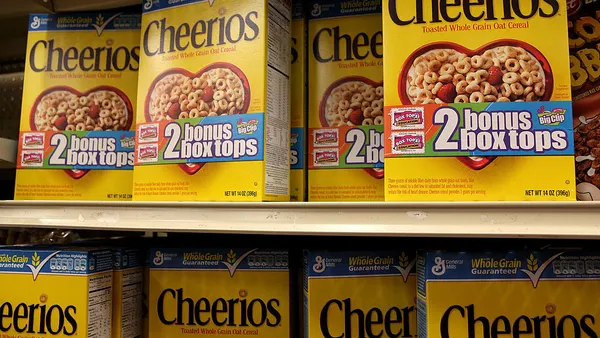
The agency issued two requests for information regarding the use and safety of BHT and ADA. BHT is used as a preservative in frozen meals, breakfast cereals, chewing gum and meat products. Meanwhile, ADA, sometimes called the "yoga mat" chemical for its use in foam-like plastics, is used as a dough conditioner in breadmaking and a whitening agent in cereal flour.
The announcement is the latest move by the FDA to reassess approval of ingredients as Health and Human Services Secretary Robert F. Kennedy Jr. claims a lack of transparency in the current approval process. The agency has also launched reassessments of meat preservative BHA and the rarely used Orange B food dye.
"Americans want the FDA to take a fresh look at some of the chemical additives that have become widespread in our food supply," former FDA Commissioner Marty Makary said in a statement prior to stepping down last week. "By establishing a comprehensive, science-based framework for reviewing chemicals like BHT and ADA, we're delivering the rigorous oversight Americans deserve."
Both BHT and ADA are heavily regulated in Europe over concerns that the chemicals are possible carcinogens. Europe banned ADA in 2005 while BHT can only be used in certain food categories.
The FDA is asking the food industry for information on use of both additives. The American Bakers Association, which represents U.S. baked goods manufacturers, said that the baking industry is on track to remove ADA by the end of 2026. Approximately 95% of the group's 350 member companies already do not use ADA, according to an internal survey.
While there is little data on the extent of use for BHT, the ingredient is commonly used to prevent fats and oils from spoiling in foods like meat and chewing gum. BHT was approved for use in 1954 and in 1959 considered Generally Recognized as Safe, a designation that has come under scrutiny by Kennedy.
The FDA has looked to overhaul the GRAS process and reassess safety of chemicals approved through the system. In order to choose which chemicals to prioritize for reassessment, the agency will now make decisions based on an ingredient's risk to public health — scrapping an initial plan to review chemicals depending on consumer concern.
"Today’s release finalizes our framework for this new, dedicated reassessment program that provides Americans with confidence that the FDA is ensuring chemicals in the U.S. food supply remain safe as new scientific information becomes available," said Kyle Diamantas, Acting FDA Commissioner and former Deputy Commissioner for Food.