.jpg)
From the shirt on your back to the food in your fridge, most aspects of your daily life are rooted in agriculture. The cotton or wool in your clothing was raised by a farmer. Whether your diet is plant-based or meat-inclusive, a farmer or rancher oversees the food you eat. If you drive a gas-powered or hybrid vehicle, you can also thank a farmer for the ethanol in your gasoline - usually derived from corn and blended into standard gasoline to boost octane levels and oxygenate fuel to reduce emissions.
While farmers and ranchers shoulder the responsibility of feeding and fueling our country, they are simultaneously tasked with managing their acres responsibly so the land can continue to be viable for crops and/or livestock. That’s the bottom line - often, conservation practices are an afterthought if they are not economically viable, regardless of any long-term benefits. If we are to encourage environmental stewardship on farms and ranches, it needs to make sense financially, and it needs to be supported by partners and incentives across the supply chain.
What does it mean to be an environmental steward operating on working lands? Conservation on farms and ranches looks different across the country, but the foundation remains the same: using conservation techniques to reduce inputs, preserve natural resources, and/or promote soil health through regenerative or climate-smart practices.
Regenerative practices have been used in American agriculture since indigenous communities first introduced agrarian lifestyles thousands of years ago. Native Americans used agricultural management practices that placed an emphasis on harnessing the power of nature. Despite the history of regenerative agriculture in the United States, its adoption lags. This goes back to the bottom line for farmers and ranchers - economics always precedes environmental stewardship. But what if farmers and ranchers were incentivized to adopt key conservation practices that promote soil health and other ecosystem services?
Let’s explore some of these environmental benefits in greater detail.
- GHG Mitigation and Air Quality
- Practices like reduced tillage, cover cropping, rotational grazing and other help build soil organic matter, which sequesters carbon from the atmosphere and improves soil structure.
- By increasing organic matter, regenerative agriculture turns soils into carbon sinks, storing carbon that would otherwise be in the atmosphere.
- Lower greenhouse gas emissions from farming can reduce the need for synthetic fertilizers and fuels for tillage.
- Water Quality
- Healthier soils contain more organic matter, which generates several ecosystem services, like:
- Increased organic matter means improved water retention, making land more resilient to drought
- Increased organic matter improves infiltration rates, which can reduce flooding
- Improved water retention and increased infiltration rates can reduce runoff, in turn protecting waterways
- Keeping soil covered and undisturbed minimizes erosion from wind and rain, protecting topsoil and preventing pollution and reducing runoff.
- Healthier soils contain more organic matter, which generates several ecosystem services, like:
- Biodiversity
- A focus on crop rotation, cover crops, and diverse planting creates more diverse habitats for beneficial insects, birds, and other wildlife both above and below ground.
- Healthy ecosystems reduce pest pressure, which in turn lowers the reliance on synthetic pesticides and fertilizers, benefiting water quality and wildlife.
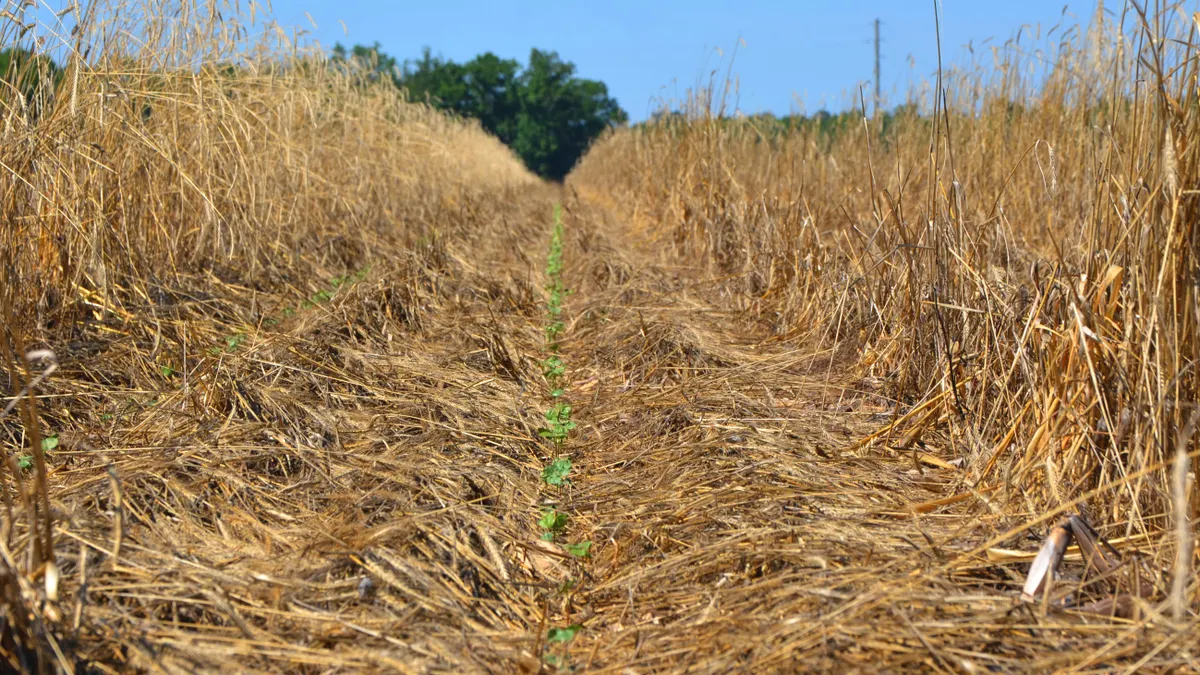
By fortifying the soil, key conservation practices can create resilience to climate events like drought and flooding. Unlike conventional agricultural practices, like intense tillage and overgrazing, that often degrade natural resources, regenerative techniques emphasize practices like:
- Cover cropping, or the practice of growing plants to cover the soil (usually between cash crops) to protect and enrich soil
- Rotational grazing, or the method of managing livestock on pasture by moving them between smaller sections of a pasture, with the goal of improving the health of the soil, plants, and animals by allowing plants to rest and regrow between grazing periods
- Minimal tillage, or a soil conservation method that involves minimal soil manipulation to grow crops, which preserves soil structure
By working in harmony with nature, agricultural producers can not only reduce environmental impact, but can regenerate ecosystems, creating a more resilient and robust food system.
Building a More Resilient Future
As we look to address the complex challenges of the 21st century, conservation on farmland offers hope. It aligns the needs of people and the planet, creating an agricultural system that is not only resilient and sustainable but also equitable and restorative. The more we support farmers and ranchers who implement voluntary conservation practices, the faster we can scale the adoption of conservation on farmland across the country.
RIPE wants to see conservation scaled on farmland across America. By minimizing barriers to implementing conservation practices, like upfront costs or time-consuming data requirements, we can support farmers and ranchers on their path to provide food and fuel for the population while being effective stewards of the environment. Learn more about RIPE’s mission and how you can help support it.