Dive Brief:
- Hormel Foods is expanding deeper into protein with the acquisition of Brakebush Brothers for $1.055 billion. The purchase of the value-added chicken products company is expected to close during the first quarter of Hormel's 2027 fiscal year, which ends in late January.
- The family-owned Brakebush predominantly serves foodservice customers. Brakebush, founded in 1925 and headquartered in Wisconsin, generated approximately $1.2 billion in net sales during the last year.
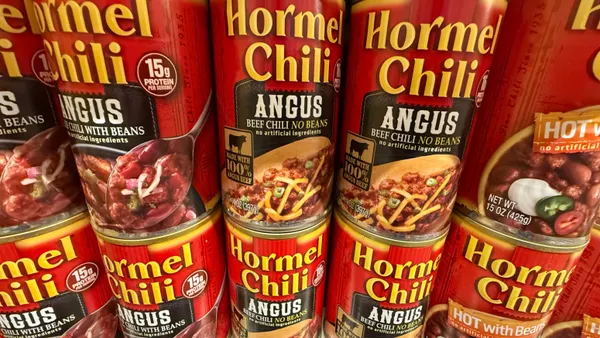
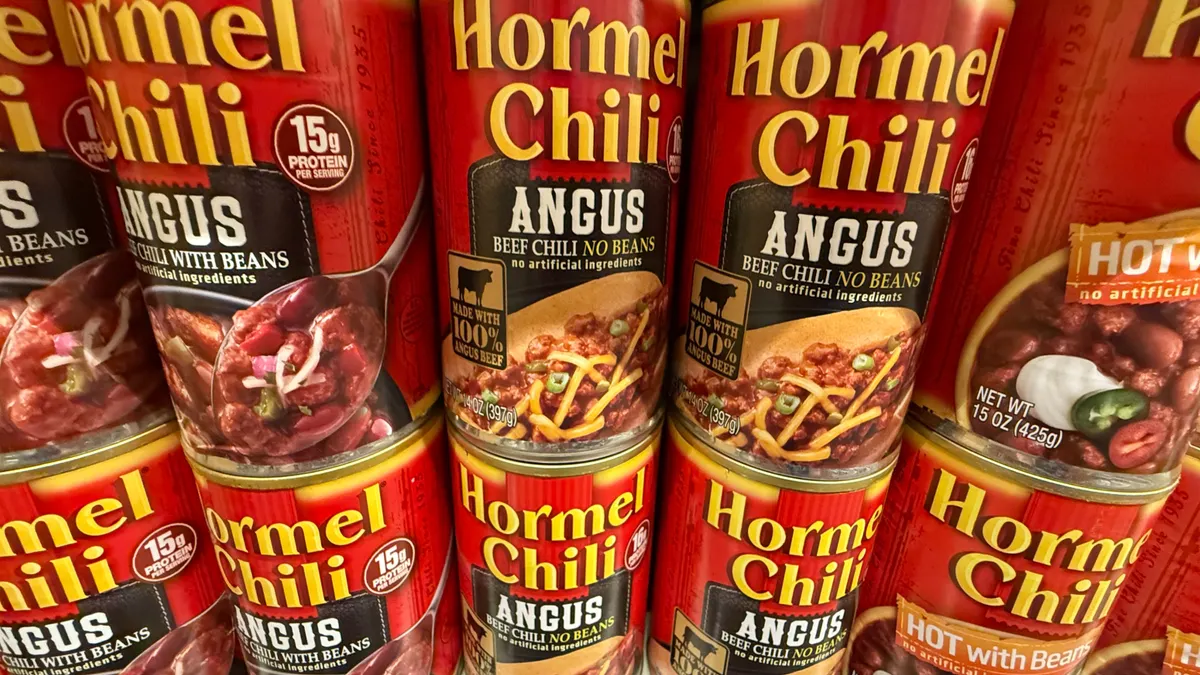
- Hormel has been a major beneficiary of consumer demand for protein, with a portfolio that includes everything from Applegate organic meats and its namesake chili to Planters nuts and Skippy peanut butter.
Dive Insight:
As consumers demand more protein, the 135-year-old Hormel is ensuring it has a bigger seat at the table.
An estimated 70% of Americans say they want more protein in their diets compared to 59% four years ago, according to the International Food Information Council. Expanding GLP-1 use has further fueled demand as consumers on weight-loss drugs need more protein to fill nutritional gaps.
"Chicken has been one of the most attractive growth categories in protein, and Brakebush has built an exceptional platform to serve that demand," John Ghingo, Hormel’s president and incoming CEO. The executive added that Brakebush will bolster Hormel’s foodservie operations by bringing additional scale, expertise and customer reach.
Ghingo told Food Dive recently that Hormel’’ “protein-centric” portfolio is giving the Spam and Jennie-O turkey maker a “unique” growth opportunity compared to other food makers struggling from a sharp pullback in consumer spending.
“Protein, in particular, has seen real resilience,” Ghingo said. “As I think about us relative to the [rest of the food] industry, the fact that our portfolio is centered around protein is a really good place to be. The plot is as relevant as ever, and the growth opportunity is as ripe as ever for us.”
Hormel’s portfolio is heavily skewed toward retail, which makes up more than 60% of its sales. But foodservice, at close to one-third of its business, remains a bright spot.
During its most recent quarter, Hormel cut its net sales and organic net sales growth rate for its fiscal 2026 year amid declines in commity turkeys, private label snack nuts and a hesitancy by consumers to spend due to inflation. The company’s foodservice business, however, posted a 2% increase in organic net sales.