Editor’s note: This story highlights takeaways from the Food Manufacturing Summit hosted by Food Dive, Manufacturing Dive and Supply Chain Dive on March 25. Register here to watch the replay on demand.
As food companies rush to replace artificial ingredients with natural sources, they could be opening themselves up to fraud in their frenzy to reformulate.
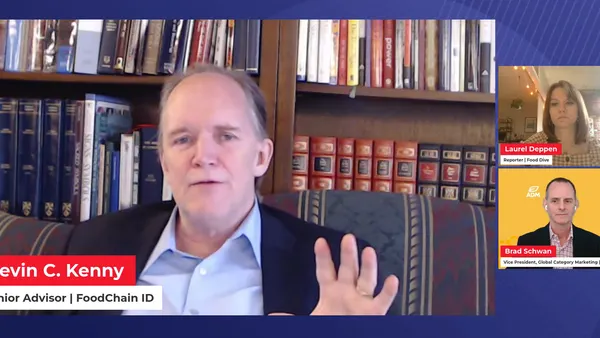
With consumers prioritizing their health and states weighing potential bans on certain additives or dyes, food makers are under pressure to respond. More than 200 bills have been introduced by state lawmakers in the last 15 months, according to Kevin Kenny, senior advisor at compliance and certification firm FoodChain ID.
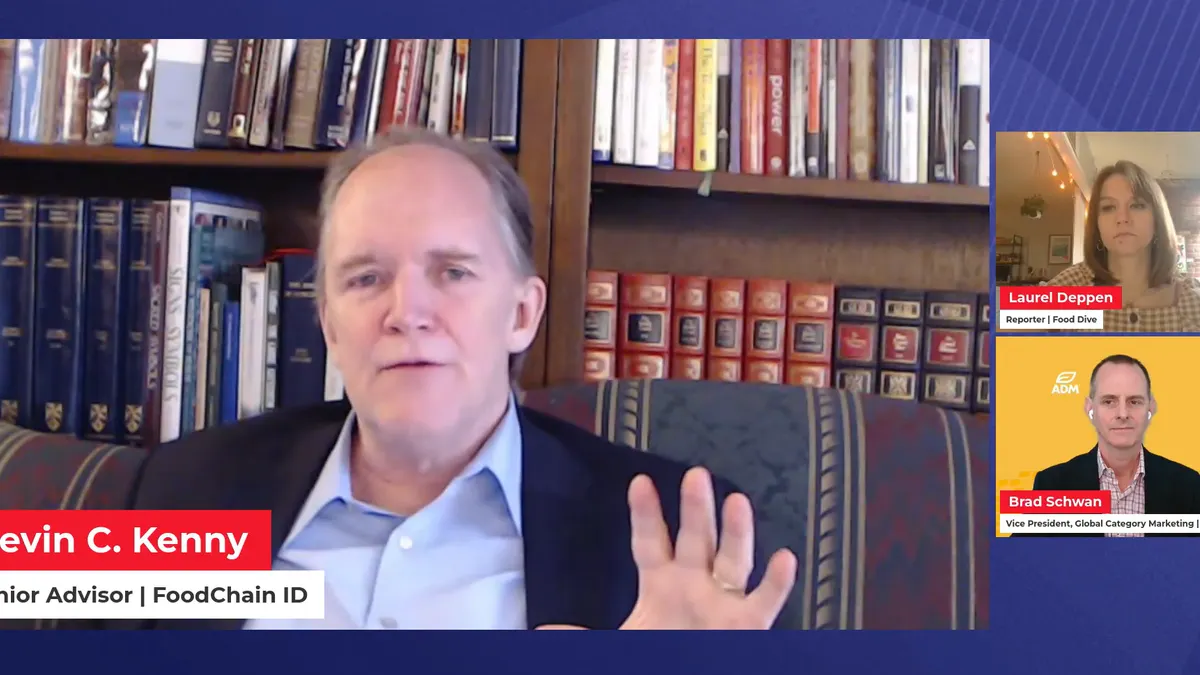
"It is a very challenging time right now, and there is significant risk around swapping out ingredients," Kenny said during Food Dive's virtual Food Manufacturing Summit hosted with Manufacturing Dive and Supply Chain Dive.
The abundance of state regulation – along with Health Secretary Robert F. Kennedy Jr's request that the industry phase out artificial dye by the end of this year – is spurring unprecedented demand for natural colors that suppliers are struggling to meet. That's leading to a surge in fraudulent dyes and ingredients, according to Kenny.
"We've seen quite an increase in the amount of food fraud right now," he said. "All of these things that you're trying to do in moving toward healthy or natural gives an opportunity for economic adulteration."
Suppliers are mixing synthetic and natural colors to stretch out supply, Kenny said, or adding dyes to spices. In other cases, olive oils are being diluted with cheaper seed oils.
To avoid risk, food companies should vet their suppliers and work with trusted vendors with transparent supply chains, according to Kenny. Food processor ADM, for example, has built a full rainbow of natural colors through vertical integration, and its relationships with farmers allow the company to maintain control over the pigment extraction process.
Brad Schwan, vice president of global category marketing at ADM, said food companies need to choose partners with "the right quality systems to make sure that you really are getting exactly what you think you're getting."
"Reformulation is a big deal. It's not going away," Schwan said. "And working with those trusted suppliers that you know can deliver the kind of quality, reliability of supply that you need to keep your business running."
The FDA has signaled it won't enforce rules that prevent companies from adding the "no artificial colors" label when using natural colors. While this could result in less regulatory scrutiny when natural color fraud takes place, manufacturers are still open to litigation risk, according to Kenny.
A lawsuit filed last fall, for example, alleged that Continental Mills mislabeled their Cinnamon Swirl Quick Bread Mix with the label “No Artificial Colors, Flavors, Preservatives” when the product contained silicon dioxide, which the consumers claimed is an artificial preservative.
"[Even though] the FDA is not going to come after you, I can't emphasize enough that doesn't mean that you have safe harbor there," Kenny said. "I would be worried about litigation risk."