Americans are falling out of love with the liquor bottle.
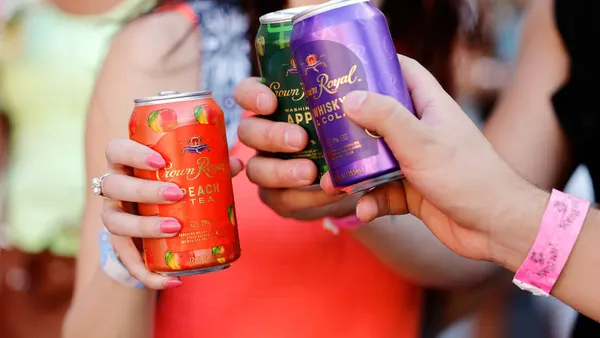
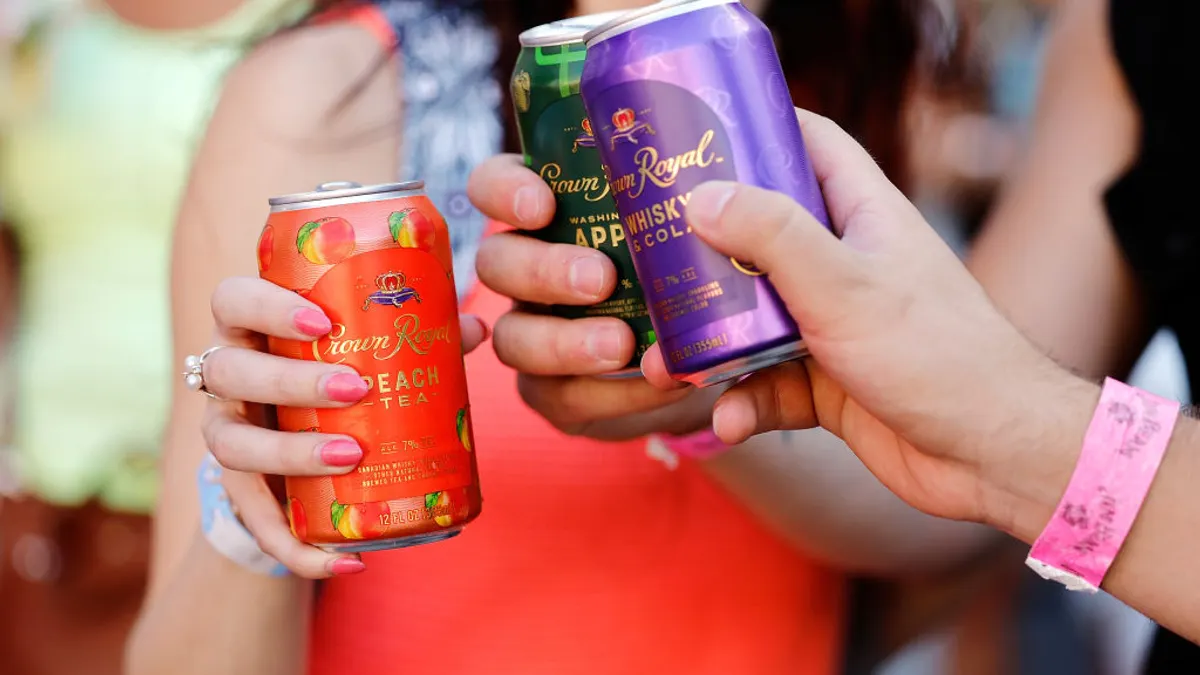
During the pandemic, consumers built home bars, bought 1.75-liter handles of Tito’s and Jack Daniel’s, and became at-home mixologists. Now, they want the same cocktails — margaritas, old fashioneds, vodka cranberries — but in a portable, affordable can. And a wave of ready-to-drink brands is delivering exactly that.
“The consumer that was drinking the hard liquor is now converting over to the RTD category,” said Scott Scanlon, EVP of alcoholic beverages at Circana.
The growth of ready-to-drink cocktails is one of the most significant shifts in the alcohol sector in years, posting double- and triple-digit gains, even as overall consumption declines. The trend is cannibalizing legacy spirits brands and forcing the industry’s largest companies to choose between developing new products internally or buying their way in — a decision that will shape the competitive landscape for years.
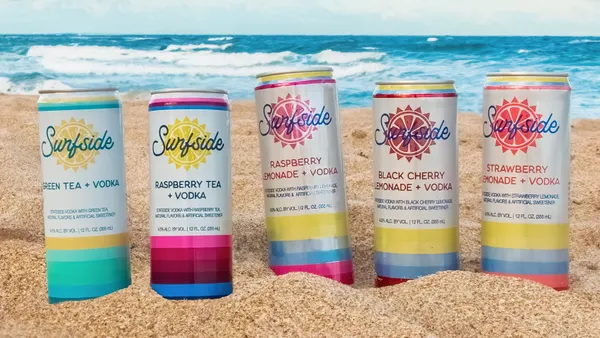
During the week of July 4th, High Noon became the top-selling brand in the spirits category — which includes spirit-based RTDs — displacing traditional liquor brands that have anchored the category for years, Scanlon said, citing Circana data. Cutwater was up 90% week over week. BuzzBallz climbed 21%. And Stateside's Surfside and Boston Beer's Sun Cruiser broke into the top 10.
Liquor sales, meanwhile, were down across the board for the period.
“I’m not going into my liquor store and buying a handle of Tito’s anymore. I don’t need to,” said Bump Williams, founder and CEO of Bump Williams Consulting. “I can buy these pre-mixed cocktails that I just absolutely love. It’s portable, it’s affordable and it’s less expensive than a handle.”
What’s driving the RTD trend
A reversal of the pandemic-era boom in at-home drinking is a major contributing factor.
“When people got outside, they were seeking out the cocktails that they were drinking at home at their homemade bar,” Williams said. “When the RTD companies saw this trend coming, they jumped on board in a big way.”
Social media is also boosting sales, as the newcomers are far more savvy with these digital channels than incumbent spirits brands. And unique packaging, such as BuzzBallz's famously spherical cans, play particularly well online.
Cutwater’s growth is “almost entirely driven by a social media campaign,” Scanlon said. The viral dynamic of posting a photo of your cocktail — “Hey, look at me, look what I’m drinking” — simply didn’t exist in the traditional spirits world, Scanlon said.
Ultimately, however, flavor is the top reason consumers are switching, as many of the RTD cocktails taste better than what consumers can create themselves or what's served at many bars and restaurants.
“Flavor is above all,” Scanlon said.
Acquisition beats innovation
As RTDs reshape the market, major alcohol companies face a strategic fork in the road: invest heavily in R&D or acquire a proven brand and scale it through their distribution network.
Williams firmly believes acquirers will win.
“If there’s a ton of strong brands that are prime acquisition targets, why would you spend a bunch of R&D money trying to reinvent what they’re already doing?” Williams said.
Big alcohol companies seem to agree. Cutwater, BuzzBallz, BeatBox, Fishers Island Lemonade and Long Drink have all been acquired in recent years. But Williams sees more deals ahead, noting many of the largest alcohol companies have appointed new CEOs in the past 18 months — a signal that boards want to pivot from failed innovation to acquisition.
That comes as no surprise, as the consumer trend toward RTD products shows no signs of letting up.
But even as consumers flock to RTDs and emerging categories like nonalcoholic beer, the “small drops of growth” are not enough to offset performance dips in legacy brands, Williams said.
“The big, iconic brands are in decline,” Williams said.