
Food manufacturers are reassessing formulations once considered untouchable, from brightly colored cereals to cheese-coated snacks. The shift to natural products is driven by consumer expectations and growing regulatory scrutiny around synthetic ingredients and food dyes.
An overwhelming 85% of consumers say they are reading labels, and 84% expect food and beverage products to have a clean label, according to Kalsec’s Clean Label Consumer Insights study. “With the increase of short-form online videos, GLP-1s, and the protein craze, consumers are looking at labels with more curiosity and scrutiny,” says Helene Seaver. “Consumers are interested in how their food is made and the ingredients used, favoring those that are recognizable and familiar, and using their purchasing power to drive demand for products with cleaner labels.”
At the same time, federal and state legislators are increasingly scrutinizing synthetic food colors in response to consumer safety concerns and advocacy pressure. Even without immediate FDA action, state legislation can effectively create new compliance standards for national brands, resulting in a growing patchwork of laws manufacturers must navigate.
The message is increasingly clear: Brands that fail to adapt their recipes risk falling behind. But that can be easier said than done. “The key to making the transition without compromising performance is identifying which natural option will best align with the product and brand goals,” says Abigail Manning.
For manufacturers, the challenge is no longer whether to pursue cleaner labels, but how to do so without compromising product performance or brand identity.
Questions manufacturers should ask when reformulating
Without appropriate guidance, manufacturers can experience numerous pain points as they transition to natural ingredients. Here are three recurring challenges to consider:
1. What makes natural color reformulation more technically complex?
One of the biggest surprises manufacturers encounter during reformulation is that natural colors rarely function as direct replacements for synthetic alternatives. Achieving the same visual impact often requires carefully balancing multiple ingredients.
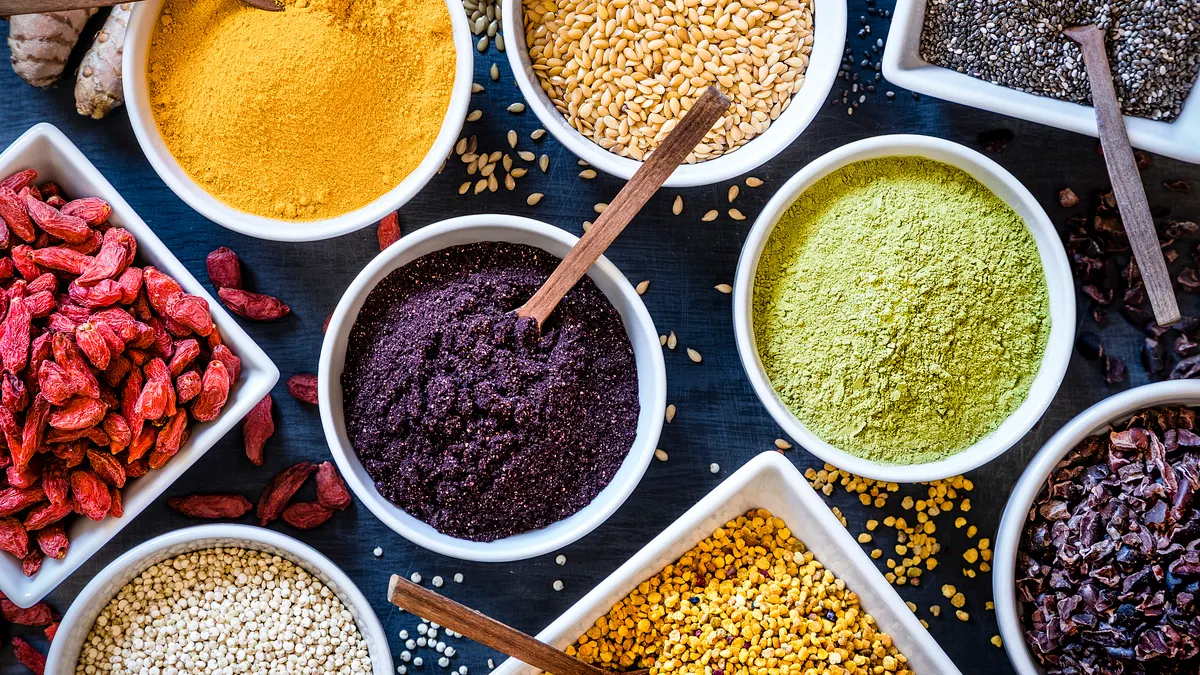
For example, replacing Yellow 6 may involve combining beta-carotene for its yellow-orange hue with turmeric to enhance vibrancy. “Using a combination of two or three natural colors allows us to mimic a synthetic color more closely,” Seaver notes.
2. Once I’ve identified viable natural ingredients, how do I scale across SKUs without compromising consistency?
This is a common concern because natural ingredients can vary from crop to crop and season to season. Kalsec works closely with manufacturers to help address that variability. “We manage this through rigorous standards and a robust supply chain program that allows us to deliver consistent results with delicious products in every batch,” Seaver says.
While Kalsec’s natural antioxidants are standardized to deliver consistent protection, there may be a need for a different approach, depending on how varied the SKUs are. “Because global regulations on antioxidants can differ, it’s important to align early on where the product will be sold,” Manning says. In addition, she stresses that while brands frequently ask if switching to natural antioxidants will impact the flavor of their product, Kalsec offers natural antioxidant solutions that help extend shelf life without compromising taste.
3. How can I maintain shelf-life and stability when transitioning to natural formulations?
Maintaining shelf life and stability can become more complicated during reformulation because natural colors are often more sensitive to their processing and storage environments than synthetic alternatives, Seaver explains. Because natural colors are more susceptible to environmental conditions, Kalsec color scientists evaluate a host of factors such as pH, solubility, neat form, light exposure, heat processing, storage and packaging before making recommendations.
Kalsec has dedicated years of research to improving the stability and shelf-life of natural colors, which have culminated in the Durabrite® Colors line, formulated specifically to optimize these factors. “We do this by combining our in-house knowledge of antioxidants with natural colors to create long-lasting products,” says Manning, citing its in-house capabilities and scientists who validate performance through shelf-life and product testing.
The value in a proactive approach
Given current marketplace realities, manufacturers are increasingly recognizing that natural reformulation must be prioritized as a business imperative. But successful reformulation requires more than just replacing ingredients, as brands must balance color performance, flavor, stability, scalability and regulatory considerations across entire product portfolios.
That complexity is one reason manufacturers benefit from engaging formulation partners early in the process. Kalsec’s scientists work with brands throughout development, testing and scale-up to help identify solutions tailored to specific applications and timelines.
“Because it takes time to find the best reformulation for your product, engaging with Kalsec’s experts early enables us to help identify the right solution for your needs and timeline, minimizing last-minute changes and supply chain challenges,” Manning says.
Seaver adds, “Kalsec’s scale allows the company to combine technical resources with individualized scientific support throughout the reformulation process.”
To find out more about how Kalsec’s antioxidant, color and taste scientists can provide tailored solutions and support throughout the process, visit Kalsec today.