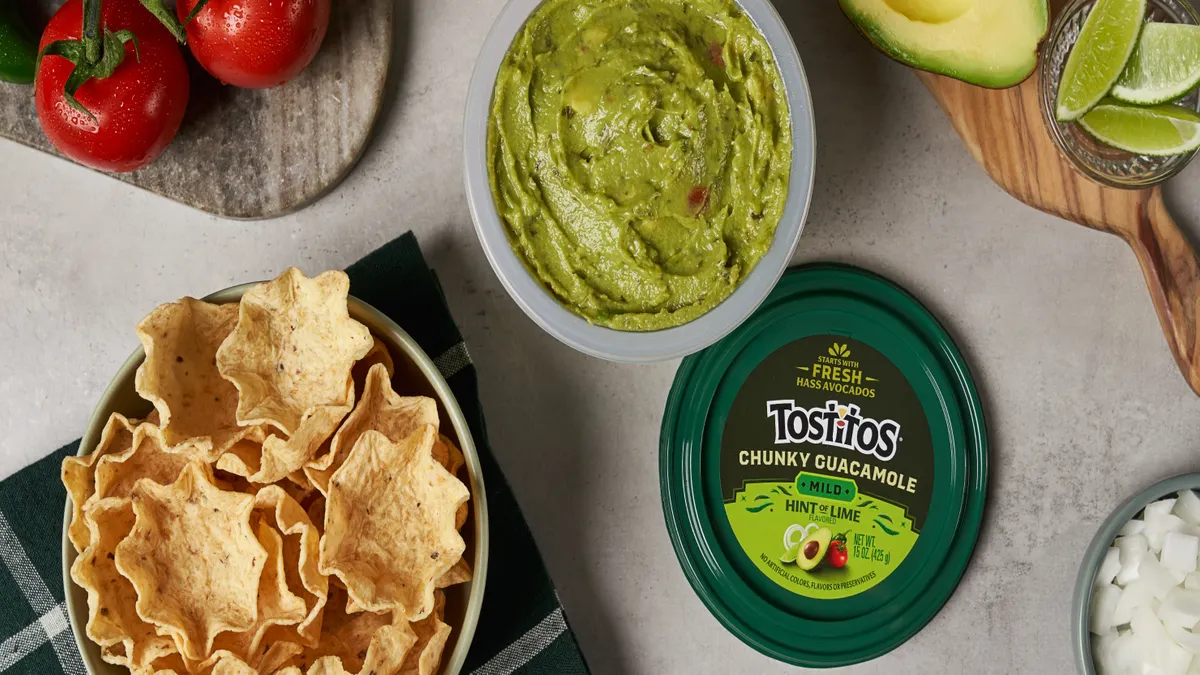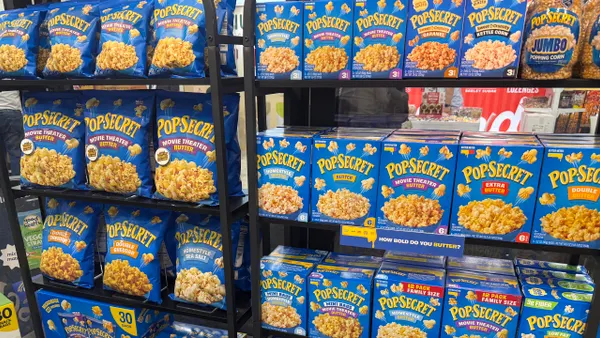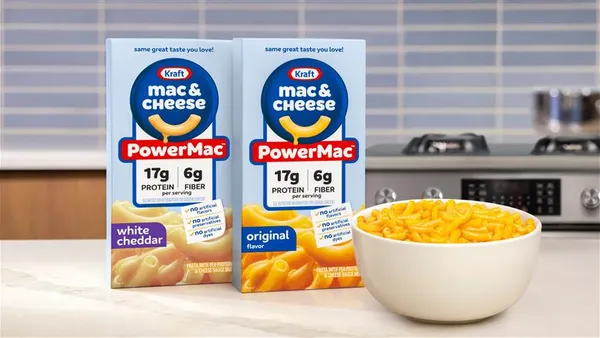

The “agentic shelf,” populated with products that surface on AI-driven customer searches, is rapidly displacing traditional SEO-driven e-commerce. In July 2026, Salesforce reported that the use of agentic search as the starting point for a consumer’s shopping journey increased a whopping 200% year over year.
Latching onto this newer route to online discovery, concerned marketers in the consumer packaged goods (CPG) industry are investing in tools that promise to show how (and where) their products appear in AI searches.
However, such tools fail to deliver context.
“Addressing every gap in AI visibility is unrealistic. Instead, invest strategically only in those directly linked to commercial gain,” advises Jessie Wright, SVP Product at SPINS, a retail-intelligence firm.
What a generalist platform does
A generalist platform delivers volumes of data — too much data.
It can run prompt sets and measure mentions and how many times a CPG actually appears in searches. The same platform can report on product rankings and how that standing changes over time.
Measuring citations and tracking visibility are important. But they deliver volume without context. When CPG marketers go fishing using basic AI-visibility tools, they find a lot of fish in the water. But they are unable to answer the critical question: Which ones are really worth catching?
Against competition, CPG marketers need more than just data. They need context. And that’s what a specialty platform delivers.
Why grocery CPG requires additional context
Selling CPG products is hardly ever a straight line from discovery to sale. “How shoppers think and how they ultimately determine whether or not to buy a product is complex,” Wright says. “Grocery decisions are highly conditional in many ways because shoppers care about many things simultaneously.”
A product attribute might indicate that it’s high in fiber, but that alone is not enough to move it off the shelf. A shopper might evaluate ingredients, cost, whether it might work for the entire family, shelf life, and more. Every purchase has a large set of moving variables. Worse, these variables change over time. A sale today won’t guarantee one tomorrow.
Against such a backdrop, chasing after visibility in the result of every prompt is futile. “You end up producing a ton of activity without any clear strategy or objective; you’re just throwing spaghetti at the wall,” Wright says.
It’s why CPG marketers need one additional piece of intelligence; they need context.
How a product knowledge graph helps
A product knowledge graph fills in the contextual data gaps missing from the results routine AI search tools generate.
For example, if an AI search tool finds that a high-fiber granola bar is not showing up in agentic searches, CPG marketers need additional intelligence. They need information about whether consumers are actually buying such granola bars and whether it’s even worth competing in that space. “You need to prioritize the prompts that are tied to actual demand and not try to boil the ocean to be discoverable across the millions of prompts that people can enter into AI assistants,” Wright says.
CPG context is also about delivering insight into shopper intentions. For example, sustainable coffee can mean many things: fair trade, organic certification, where it’s grown, labor practices. Understanding that these different characteristics are part of the “sustainable coffee” umbrella takes contextual intelligence. And that’s what a product knowledge graph delivers.
Context-driven intelligence aligns point-of-sale data with natural, regional, conventional, and specialty retail data to understand where precise positioning matters — and where it does not.
Understanding what to fix using contextual intelligence
If contextual intelligence indicates that gaps in AI searches are worth fixing, CPG marketers should be able to drill down into the platform to pinpoint and fix the missing links. The intelligence platform goes beyond shining a light on visibility in searches. It delivers information on competitive positioning and diagnoses missing information.
The attributes of a single product could be the intersection of dozens (if not hundreds) of market parameters. Using an AI search tool is a good start. But to truly know where to place bets and marketing investments, CPG professionals need to cut through the noise to identify the problems actually worth solving. These could be omissions in a product detail page (PDP), a misrepresented citation, or even errors in a product’s own packaging that marketers can then fix.
Generic tools might show rankings and frequencies, but they lack the context to know why the gaps exist and which improvements are worth betting on.
AI discovery tools built on a platform of relevant market data add the intelligence layer that prioritizes strategic actions over haphazard approaches.
Learn how SPINS Agentic Discovery tool can help you win the sale and not just the search.