Dive Brief:
- A federal court has temporarily blocked West Virginia's ban on artificial dyes in food and beverages, siding with color manufacturers who argued the law was unconstitutionally vague.
- The ruling pauses a groundbreaking law that was set to restrict seven artificial colors statewide on Jan. 1, 2028. The decision does not affect a ban on the dyes in school meals that already went into effect in August 2025.
- West Virginia Gov. Patrick Morrissey said in a statement on X that the court's decision is "both premature and wrongly decided." He added that the state is reviewing its legal options but will press forward with efforts "to get harmful crap out of our food supply."
Dive Insight:
The West Virginia ruling could throw cold water on a growing "Make America Healthy Again" movement among states that's led to the introduction of dozens of laws restricting artificial dyes or other ingredients.
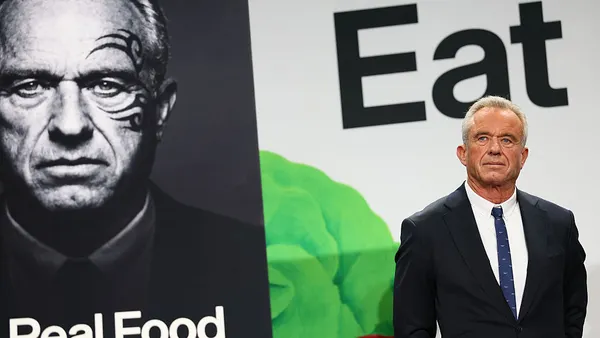
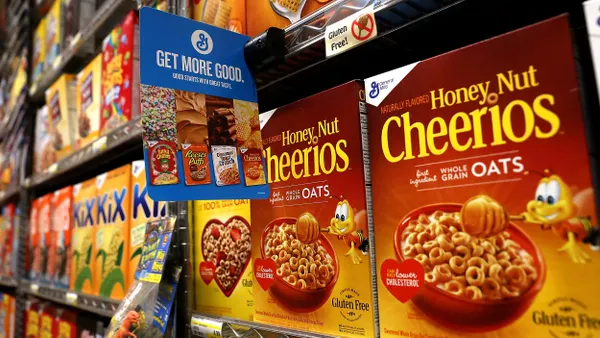
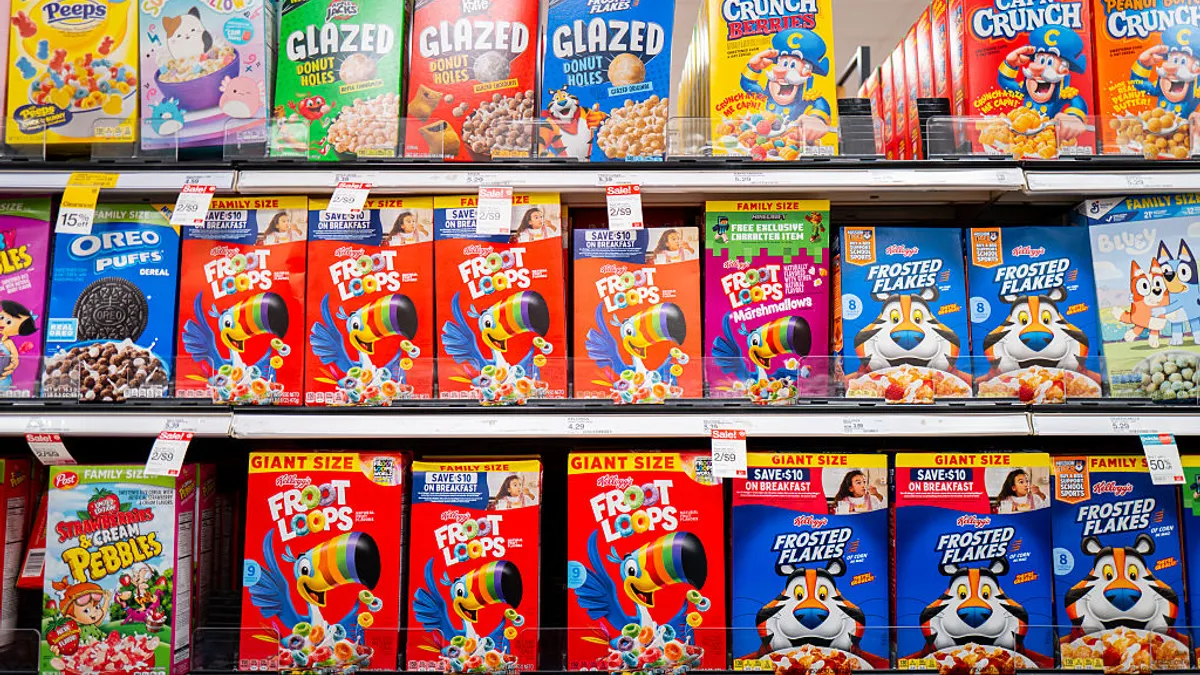
Last March, West Virginia became the first in the U.S. to ban the sale of foods with artificial dyes, kicking off a wave of similar laws across the country. Health Secretary Robert F. Kennedy Jr. has also asked the food industry to remove artificial colors from the food supply by the end of this year, though the request is voluntary.
As more states look to pass their own restrictions, the food industry is beginning to push back and advocate for a single national standard. Color manufacturers sued West Virginia in October to strike down the state's law, with industry trade groups taking similar action against Texas last month.
In its ruling, the West Virginia judge said the state changed decades-old food safety laws to list artificial dyes as “poisonous and injurious” to consumers, but failed to explain what makes the substances harmful. As a result, it opens the door for the state to arbitrarily ban additional artificial dyes or other ingredients it deems as a health risk.
The MAHA movement has honed in on artificial dyes as part of a crusade against ultraprocessed foods, arguing synthetic colors are linked to hyperactivity in children or cancer. However, because these colors have been deemed safe by the FDA, the judge in the West Virginia case said that banning them without justification “muddies the water and creates confusion as to what substances now constitute 'poisonous and injurious'" under state food safety laws.
In a client note, law firm Kelley Drye said companies should "not assume this issue is resolved."
"While the injunction delays enforcement, the underlying legal and regulatory uncertainty remains," the firm said. "Businesses should monitor the litigation closely and prepare for potential outcomes, including a reinstated ban or revised legislation.”