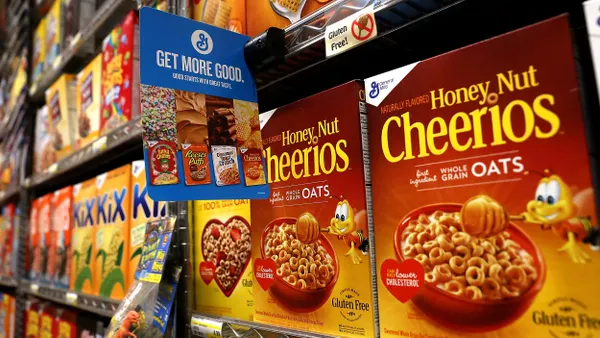
The Trump administration on Wednesday released new dietary guidelines advising Americans to avoid highly processed packaged foods and prioritize protein.
Updated once every five years, the guidelines influence the dietary advice physicians give to patients and shape federal procurement policy for school meals and some food benefits programs. At a press conference, Health Secretary Robert F. Kennedy Jr. called the new guidelines "the most significant reset of federal nutrition policy in history."
"These guidelines replace corporate driven assumptions with common sense goals and gold standard scientific integrity," he said.
Changes to the standards include a mix of "Make America Healthy Again" rhetoric and longstanding nutrition recommendations. Americans are advised to cook with beef tallow and limit foods with artificial dyes, while also being told to cut their sugar consumption and prioritize nutrient-rich fruits and vegetables.
Notably, the guidelines also take aim at ultraprocessed foods, which has become a primary target of the MAHA movement. The advice tells consumers to prepare meals at home and avoid packaged foods that are "salty or sweet, such as chips, cookies, and candy that have added sugars and sodium."
Consumers are also encouraged to "significantly reduce" consumption of highly processed, refined carbohydrates such as white bread, flour tortillas and crackers. For the first time, the guidelines also include a strict limit on added sugars, noting that one meal should contain no more than 10 grams.
"Today, our government declares war on added sugar," Kennedy said. "Highly processed foods loaded with additives, added sugar and excess salt damage health and should be avoided."
The updated federal nutrition guidelines represent the most high-profile opportunity for Kennedy to further push his MAHA agenda on a public stage. The health secretary has crusaded against ultraprocessed foods, artificial dyes and added sugar, saying they're primary causes for chronic diseases and obesity.
But as Kennedy starts a war on ultraprocessed food, he says he's "ending the war" on saturated fats, which was "wrongly discouraged in prior dietary guidelines." The new framework has been updated to prioritize protein and saturated fats found in meats, poultry and eggs. It also recommends full-fat dairy in a reversal of previous advice.
Although the new guidance highlights benefits of saturated fats, it says consumption should not exceed 10% of total daily calories. The guidelines noted that "significantly limiting highly processed foods will help meet this goal."
To exemplify the new guidance, the USDA is bringing back the oft-criticised food pyramid from the 1990s and flipping it on its head. The new inverted pyramid puts protein, dairy, vegetables and fruits at the top, with whole grains at the very bottom.
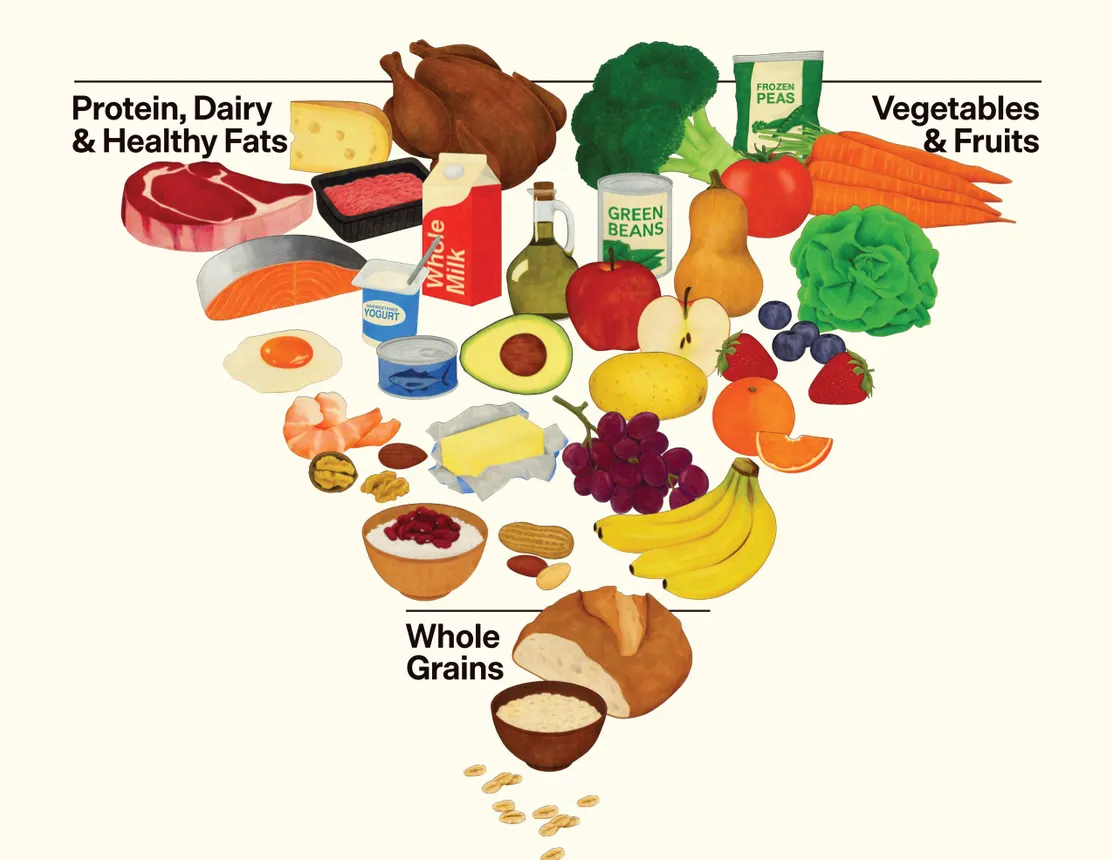
Many nutrition and health groups welcomed the guidelines' emphasis on avoiding highly processed foods in favor of vegetables, fruits and whole grains.
However, organizations, including the American Heart Association, expressed concerns about the scientific basis for conclusions around high-fat animal products, which it says "are linked to increased cardiovascular risk."
The Center for Science in the Public Interest called the emphasis on animal protein, butter and full-fat dairy "harmful" and "contradictory," saying it ignores much of the advice put forward in drafted guidelines by nutrition experts in late 2024. That drafted advice called for greater intake of plant-based foods at the expense of animal products like meat or dairy.