After several buzzy years, the American ready-to-drink market is stabilizing, according to a report from IWSR, led by a decline in hard seltzers. However, with growth expected to return by 2030, a new wave of entrants are expected to shake up the category.
Crafted canned cocktails, long drinks and hard teas are leading the charge toward the next point of growth. Both options are taking share from hard seltzers, which controls the bulk of the RTD category, and flavored alcoholic beverages, according to the report. Last year, U.S. ready-to-drink volume declined by 1%, with hard seltzers volume shrinking by 8%.
Canned cocktails are the bright spot within RTDs, with IWSR pointing to long drinks and sports drink-inspired cocktails as potential points of growth. Volumes of RTD cocktails climbed 17% in 2025, and hard teas grew 5%, with both categories expected to keep growing.
With the market changing, alcohol giants including Boston Beer, Sazerac and Constellation Brands are still entering the RTD market either through M&A or developing their own offerings in house. Just this year, White Claw’s owner bought Finnish Long Drink while Constellation purchased hard sports drink brand SpikedAde.
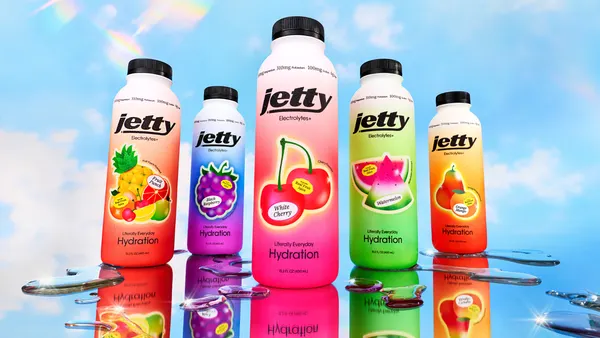
Hard sports drinks are what IWSR calls an emerging “distinct growth strand,” thanks to offerings from Super Lyte, SpikedAde and Rally Dog. The drinks meet the consumer appetite for both fun and function in the better-for-you beverage space, IWSR said.
“A wave of new vodka RTDs is borrowing sports drink cues such as electrolytes, ‘ade’ flavours, low sugar and non-carbonation for a range of daytime and casual occasions,” Susie Goldspink, head of RTD insights for IWSR, said in the report.
IWSR suggests that RTD innovation is slowing, due to companies learning their lesson from “the over-launch” of hard seltzers a few years ago. Within RTD, spirit-based cocktails and long drink volumes increased 53% last year, but only 2% of this was attributable to new product launches.
Like with many alcohol categories, including beer and tequila, consumer interest in premium is also growing. Premade, canned whiskey sours grew by more than 1,500% and accounts for about two-thirds of whiskey RTD volume, according to IWSR. This is in sharp contrast to overall ready-to-drink whiskey products, which fell by 11% in volume last year.
“Investment should be prioritised where momentum is building, rather than on defending legacy share,” Goldspink said. “Consumers have shown a willingness to spend more for premium products they like.”