PepsiCo is overhauling its Muscle Milk brand to deliver more protein with nearly 50% fewer ingredients as the CPG giant looks to stand out in an increasingly competitive landscape.
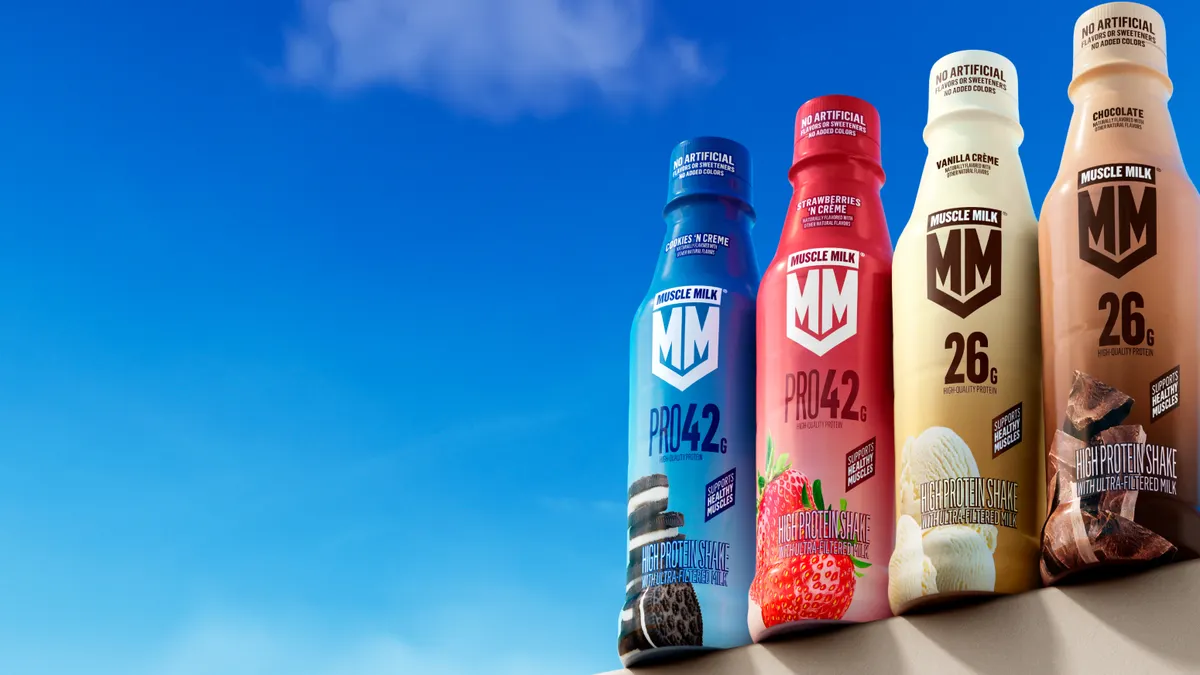
The CPG giant said Muscle Milk has been reformulated to contain no artificial sweeteners, flavors or colors, helping differentiate itself from other protein drinks such as Premier Protein and Coca-Cola’s Core Power line. The brand is also introducing more modern packaging and a campaign to promote its versatility as a protein-packed option for everyone from elite bodybuilders to busy on-the-go parents.
“It's become an incredibly competitive landscape," said Marissa Pines, vice president of PepsiCo’s Gatorade business, which oversees the Muscle Milk brand. “Over the years, as we've kind of made smaller adjustments to Muscle Milk to meet the consumers where they are, it hasn't quite taken us far enough.”
PepsiCo declined to provide sales figures for Muscle Milk. But Pines said growth for the brand was “softer than we anticipated” in 2025 due to heightened competition in the protein category.
Still, she said the company sees “meaningful opportunity” for Muscle Milk as consumers seek out products with fewer ingredients and high-quality nutrition, prompting PepsiCo to move forward with its reformulation.
Muscle Milk, which PepsiCo acquired in 2019, is using nearly half the ingredients from its previous version. The company is changing the protein source, while removing added colors and certain nonessential vitamins. Now, all proteins will come from ultra-filtered milk, which also delivers a smoother, cleaner taste.
PepsiCo also upped the protein levels, with Muscle Milk now containing 26 grams instead of 25. The Pro line also has more of the coveted nutrient, with the 14-ounce bottle adding two extra grams to 42 grams and the 11-ounce bottle including one more gram to 33 grams.
“We have chosen now is the moment that we really want to meet [shoppers] where they are, and we don't see people backing down from protein,” Pines said. “We wanted to evolve in a way that would really bring more people into the Muscle Milk family.”
Each line has four flavors: chocolate, vanilla creme, cookies ‘n creme and strawberries ‘n creme. Despite the changes, the price for Muscle Milk will remain the same.
The changes put Muscle Milk in line with competitors, namely Coke's Core Power, which uses Fairlife ultra-filtered milk and also has 26 grams of protein.
The transformed Muscle Milk started hitting shelves nationwide in April. Pines said that where it has been launched, early results are “incredibly promising,” with sales at one unspecified retailer up 30%.
Muscle Milk plans to bring the same overhaul to its powder line, starting with a change to the packaging later this year. A cleaner ingredients label will roll out in 2027.
“This is the new blueprint for the brand — clean ingredients, grounded in protein, and really reaching consumers with the benefits that they're most looking for,” Pines added.
Consumers can’t get enough protein, with 70% of Americans saying they want more in their diets compared to 59% four years ago, according to the International Food Information Council.
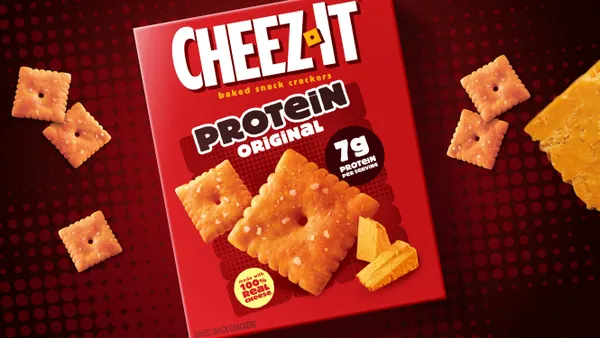
Food manufacturers, such as PepsiCo, are moving aggressively to include the nutrient in countless products, with the company adding protein to Doritos and Quaker Rice Crisps.
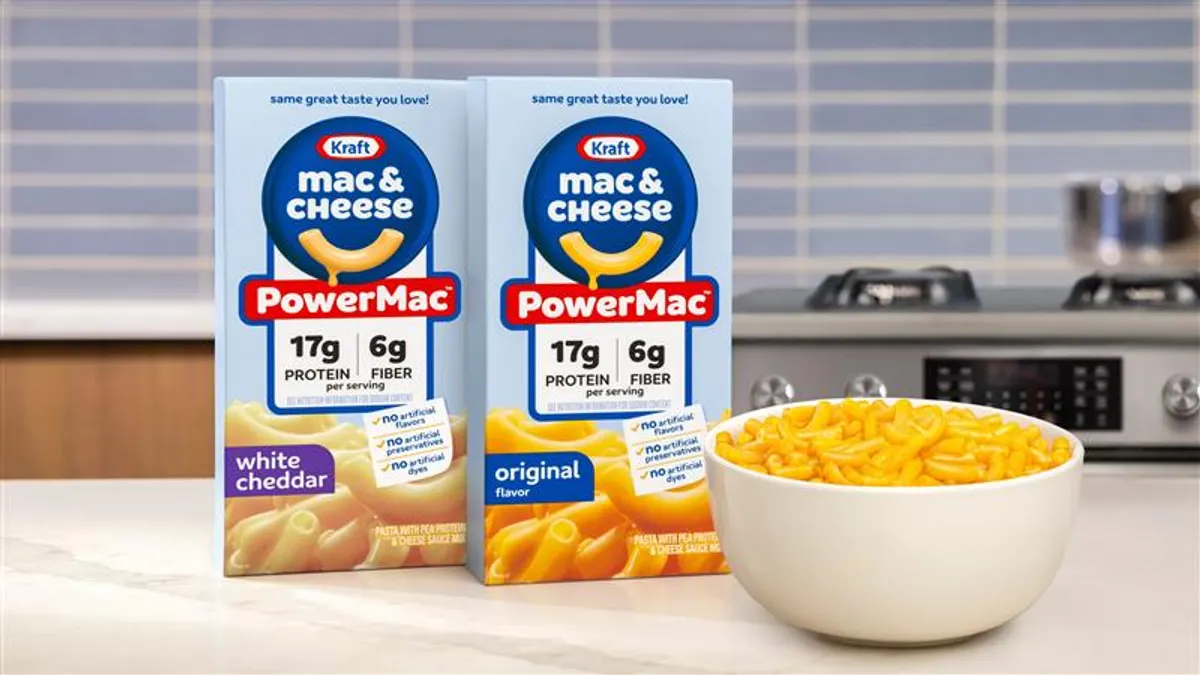
The popular ingredient has also found its way into other brands like Pop-Tarts and Kraft Mac & Cheese as companies look to tap into the trend and reignite growth amid sluggish sales.