LAS VEGAS — Ferrero may pause large-scale M&A in the U.S. as the Nutella and Butterfinger maker focuses on innovation and extracting value from the past decade of dealmaking, a top executive said in an interview.
Since entering the U.S. in 1969, Luxembourg-based Ferrero's presence had been largely centered around its iconic Nutella chocolate and hazelnut spread, golden-wrapped Ferrero Rochers and minty Tic Tacs.
In the last decade, however, the U.S. has become Ferrero's largest market after the sweets giant spent more than $8 billion on acquisitions to broaden its portfolio in the region and better position itself to compete with companies such as Hershey and Mars.
Today, Ferrero’s U.S. business includes everything from Keebler cookies and Halo Top ice cream to Rice Krispies cereal and Power Crunch protein bars. Sales have surged from $300 million in 2017 to more than $3 billion last year, with plans to top $10 billion in the next decade.
The company now appears ready to pull back from larger M&A transactions as it digests its most recent purchases.
“I would suspect we're at a point where we're going to take a little bit of a breather, at least from the really big-scaled [acquisitions],” Michael Lindsey, president and chief business officer for Ferrero North America, said in an interview. “But obviously, it's [our Chairman Giovanni Ferrero] who sets the M&A strategy.”
Ferrero’s aggressive expansion comes despite a challenging environment for sweets manufacturers, with consumers looking to eat healthier and inflation prompting many cash-strapped shoppers to cut back on spending. The company has spent considerable effort nursing many of its purchased brands back to health, with many now seeing growth despite larger economic headwinds.
Keebler was posting a decline in sales when it was acquired from Kellogg in 2019, for example, and now is growing 6% in a flat cookie category, Lindsey said. Nestlé’s U.S. confectionery business, which included Butterfinger, Baby Ruth and 100 Grand, was seeing a drop in sales when it was purchased for $2.8 billion eight years ago. The segment rose 9% in 2025, tripling the 3% growth in the broader candy space.
One blemish, however, is Power Crunch, which Ferrero purchased in early 2025. It has seen sales slip by double digits during the last six months.
“We're telling [retailers], be patient. Look at some of the other acquisitions we've done. We’ll do it again on Power Crunch,” Lindsey noted. “We have a whole plan on how to get there, and it buys us a lot of credibility.”
Building from within
Should Ferrero decide to hold off on multi-billion-dollar deals, it would provide the company with more time to further incorporate the technology and brand equity it has added to boost production and innovation.
“There’s a lot of synergies we can go after” within the U.S. portfolio, Lindsey said.
The purchase of Halo Top maker Wells Enterprises in 2023 provided the R&D, manufacturing and distribution capabilities to help Ferrero launch a Nutella ice cream earlier this year. The company is expected to soon debut a line of Keebler cookies that contain bits of crispy rice chocolate bar Crunch. Other innovations are in the works, including in cereal.
Ferrero has also pushed updates for brands that haven't seen innovation for years.
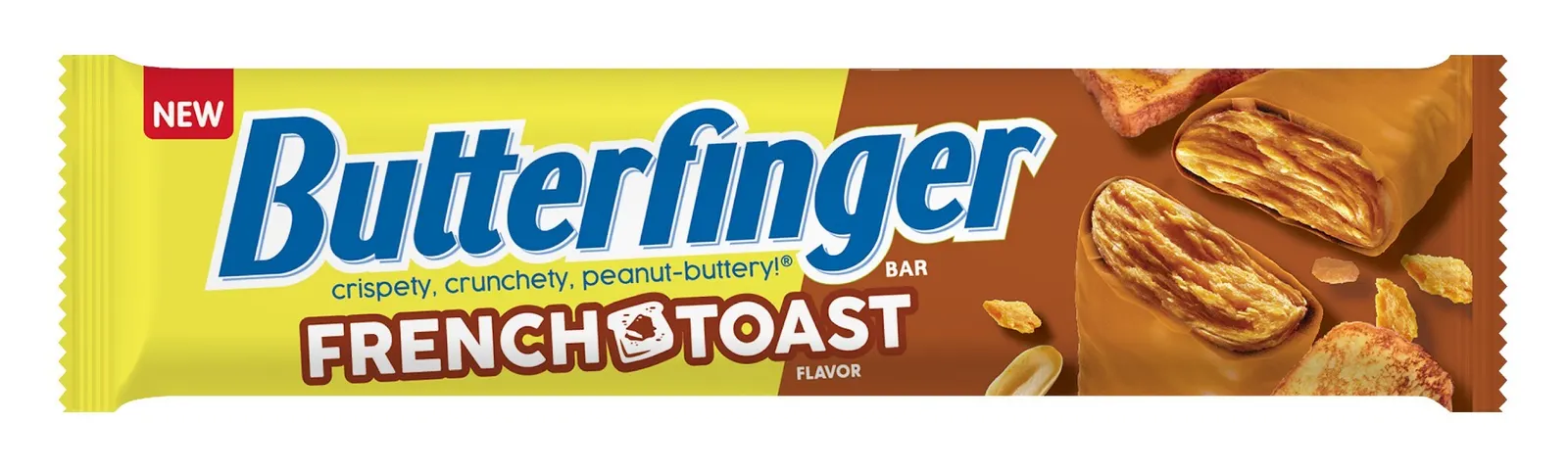
Butterfinger, for example, extended into ice cream for the first time and introduced marshmallow and salted caramel versions of the signature candy bar, a rare move for the previously conservative brand.
The company also changed the packaging to a more yellow color from orange to help Butterfinger stand out on shelves and reformulated the candy to add a higher percentage of cocoa and milk in the chocolate coating. It also changed the type of peanut used following consumer complaints that the candy was too sticky when chewed.
Butterfinger sales, which topped $200 million annually before the acquisition, grew 10.6% in the past year, according to the company.
Even as Ferrero has built its portfolio in other nonchocolate categories, it hasn’t lost sight of its legacy brands.
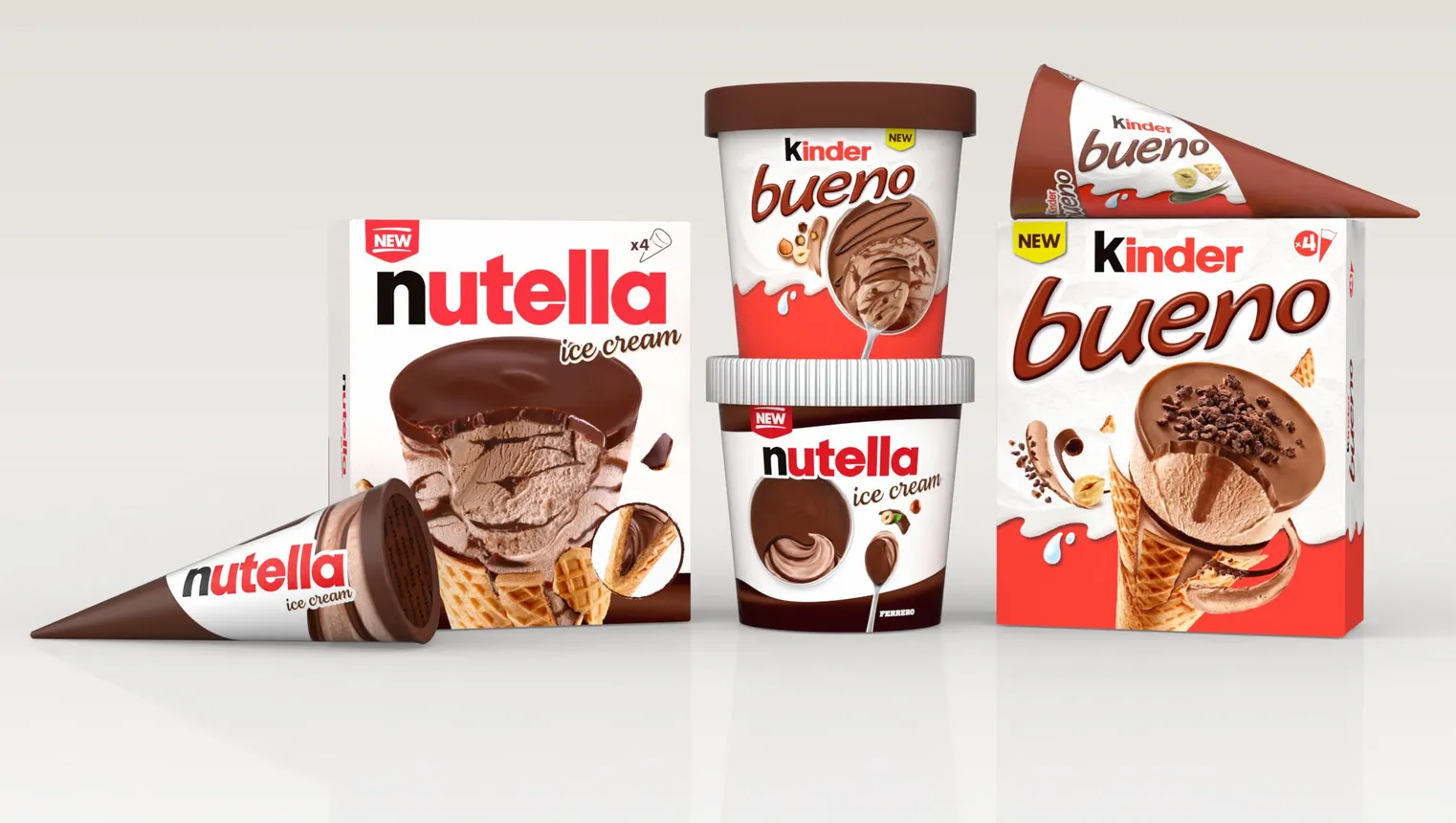
In addition to Nutella ice cream, Ferrero started selling Nutella Peanut, a peanut-flavored version of the spread, this year as part of an effort to extend the brand beyond its core breakfast time slot. Similar innovations have occurred in Ferrero Rocher, with the launch of chocolate squares.
With a presence in “almost every vertical within sweet packaged foods,” Lindsey said Ferrero doesn’t see a lot of gaps in the U.S. market it still needs to fill.
An exception, the former PepsiCo executive said, is the fast-growing bakery space where Ferrero lacks a presence even though it has offerings in the category in Europe. The company is likely to eventually fill that void, either through an acquisition or innovation of an existing brand, Lindsey said.
One area that’s likely off the table is a move outside of sweets.
“I don't foresee us going out of sweets,” Lindsey said. “We're a sweet packaged food company, so I don't think you'll see us getting into health care, chips, some of the other things that a few of our competitors have gotten into.”