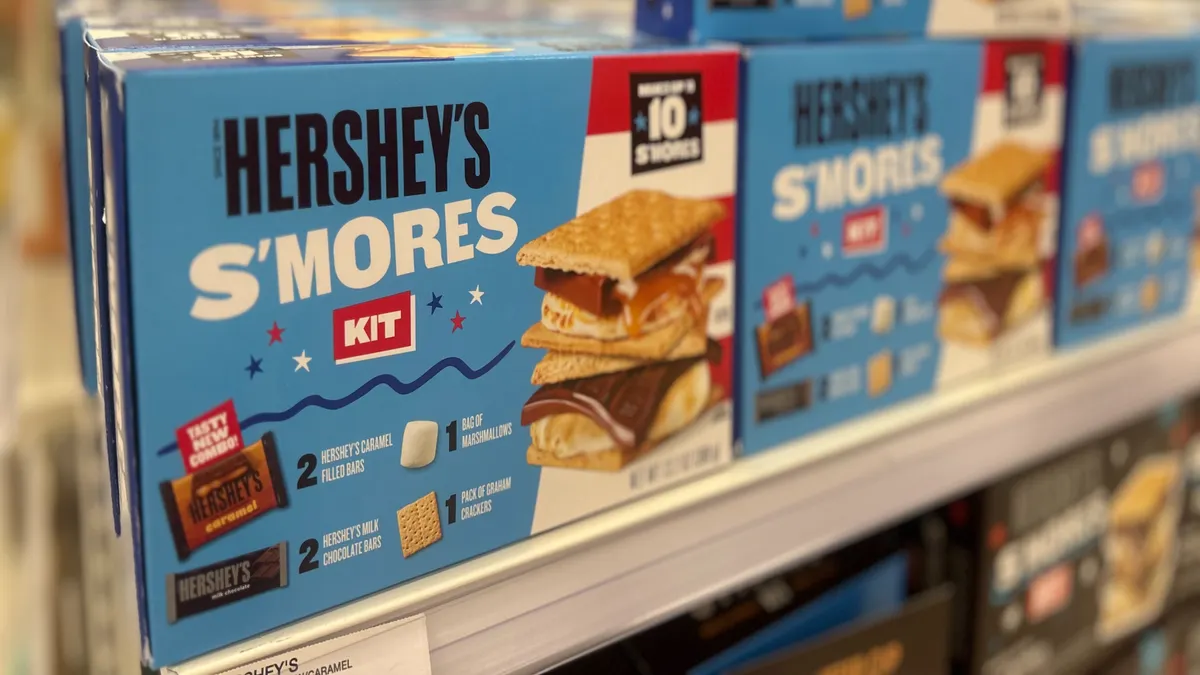
A campfire tradition is turning up the heat on one of Hershey’s most iconic brands.
Consumers spent nearly $250 million on Hershey’s branded chocolate to make s’mores in 2025, an increase of 9% from the prior year, according to the company. The momentum is unlikely to abate anytime soon.
Hershey estimates s'mores could generate another $50 million in annual sales for its $2.6 billion namesake bar and Kisses chocolates during the next three to five years.
“It’s a significant and growing piece, especially for the Hershey's brand,” Katrina Vatter, senior brand manager for Hershey’s chocolate, said of the nostalgic snack. “We're going to need to continue to come up with different ways and reasons to keep the activity going.”
S’mores, which dates back to 1927, is traditionally made with a marshmallow, graham crackers and milk chocolate. It’s deeply ingrained as a go-to snacking option for many people, with more than 2.5 billion of the treats eaten annually in backyards, campgrounds and other venues.
Just over half of Americans make s’mores at least once a year, according to Hershey. Most consumers eat s’mores about four times per year, and households with children about five.
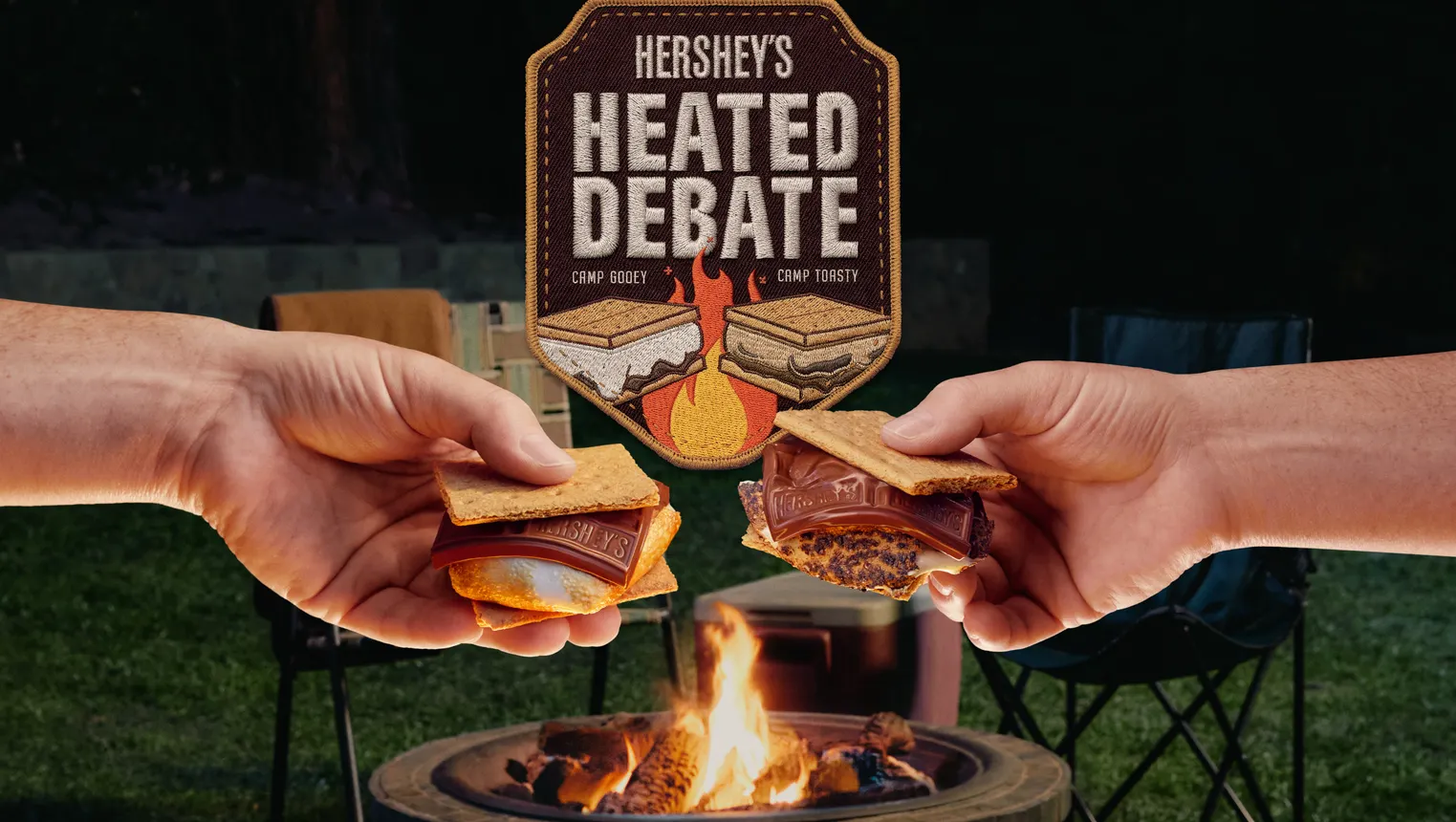
To increase s’mores’ popularity among existing fans and attract the 47% who don’t make them at least once a year, Hershey is promoting the treat's ability to bring people together and foster happiness. The company is also touting the versatility of s’mores, for example, by letting consumers choose how they toast the marshmallow, or by substituting a Hershey’s chocolate bar with one that is filled with caramel.
Earlier this week, Hershey launched a campaign with “The Sandlot” star Patrick Renna called “Hershey’s Heated Debate” that encourages people to discuss how they like their marshmallow — perfectly golden or lit on fire.
S’mores received a “nice bump” during the COVID-19 pandemic as consumers turned to the activity as a way to socialize outdoors, Vatter said. But despite the fondness associated with s’mores, she said it’s incumbent upon Hershey to ensure the snack remains a viable option for people inundated with other activities and treat options.
“Just because you did it for a long time doesn't mean that you automatically earn it as a continued place in the consumer mind,” Vatter observed. “You've got to show why it's still relevant, how it's modern, how it fits. The reality is not everybody's trapped at home anymore [like during COVID], so your breadth of competition is bigger.”