Tom Newmaster is founder of packaging design and brand agency FORCEpkg. Opinions are the author's own.
GLP-1 drugs are a raging trend. But will it last?
One study looked at 150,000 households, and at the halfway mark in the study, one-third dropped off and went back to their old eating habits. Nevertheless, we’re seeing more and more major brands such as Nestlé and Conagra put “GLP-1 Friendly” on their packaging. And retailers are designating specific areas for GLP-1 Friendly products.
Remember back in the ‘90s when “fat-free” and “sugar-free” started appearing on packaging labels? It was a hot trend. Only trouble is, those same products could have contained both. I recall pretzel brands that used the “fat-free” label when pretzels never did contain fat. The objective? To appeal to consumers and sell more product.
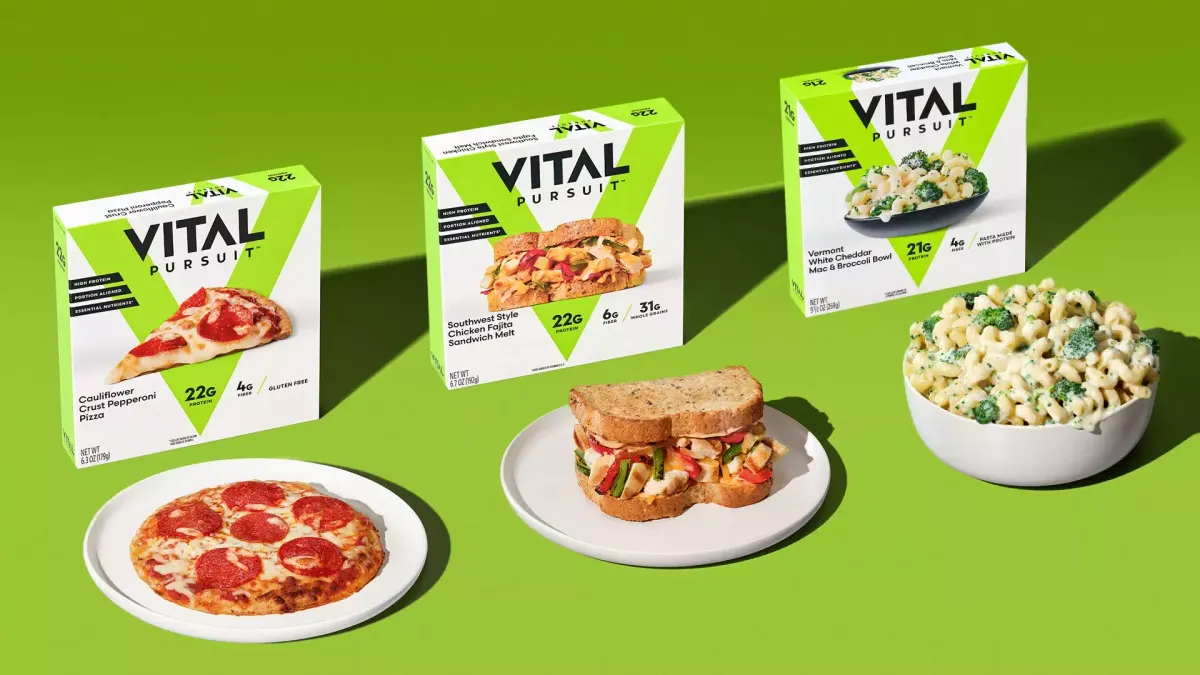
Now with the stunning success of GLP-1 drugs, we are beginning to see some CPG brands market “GLP-1 Friendly” on their packaging. One example is Conafra’s Healthy Choice dinners, which uses an “On Track” label. And many grocers are simply using dedicated sections of their stores to group GLP-1 Friendly products together.
But there are questions we need to ask ourselves, such as: Did the product actually change, or is “GLP-1 Friendly” simply a marketing lure? And, if you are watching what you eat to lose weight or manage diabetes, for instance, isn’t it more important to read the fine print on the back of the package?
For food brands, companies need to ensure they take steps to explain to consumers what “GLP-1 Friendly” really means by including other information on the front of the package such as protein content, ability to satisfy the appetite, and ingredients.
No one-size-fits-all label
Right now, food companies are changing some products and labeling others as “GLP-1 friendly.” With many Americans carrying extra weight, I expect we’ll begin to see that slogan appear on more and more packaged items and on restaurant menus where portion sizes may finally begin to shrink.
But the label may not be the most effective way to attract consumers especially considering many on GLP-1s may have different needs depending on where they are in their weight loss journey. Different forms of GLP-1s, including the pill, also means that there are now a variety of ways for consumers to address weight loss and there is no one-size-fits all model.
For packagers, restaurants, and retailers, wide GLP-1 use could mean long term changes, especially for snack food and fast-food producers, as well as flexible and rigid fiber packagers in the medicinal and pharma categories. This will include package sizes, product formulations (GLP-1 drugs recently introduced a pill format), and marketing strategies. Understanding these shifts will be essential for assessing food markets and the impacts of GLP-1 drugs on the innovators whose job it is to adapt to change and manage the ever-evolving packaging industry.
GLP-1 drugs are not a fad. However, there is still uncertainty about how long people who use these medications will stay on them and whether they will develop the discipline to change their lifestyles through changes in eating habits. Or, will they revert to previous eating and lack of exercise habits when they cease drug use?
The answer to those questions will be key to understanding how to best engage with consumers beyond a "GLP-1 Friendly" label.
Packaging designers will need to be able to adapt quickly. After all, we could be looking at an average product that scales to a billion dollars, or a drug that breaks all records and becomes an industry-changing powerhouse.