Dive Brief:
- The FDA on Thursday made it easier for food and beverage companies to say their products are free from artificial colors as the agency pushes the industry to accelerate a shift toward natural dyes.
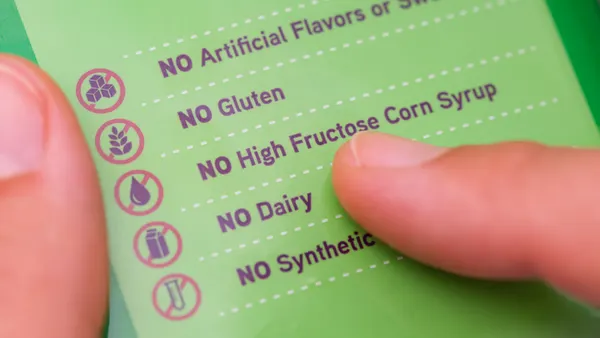
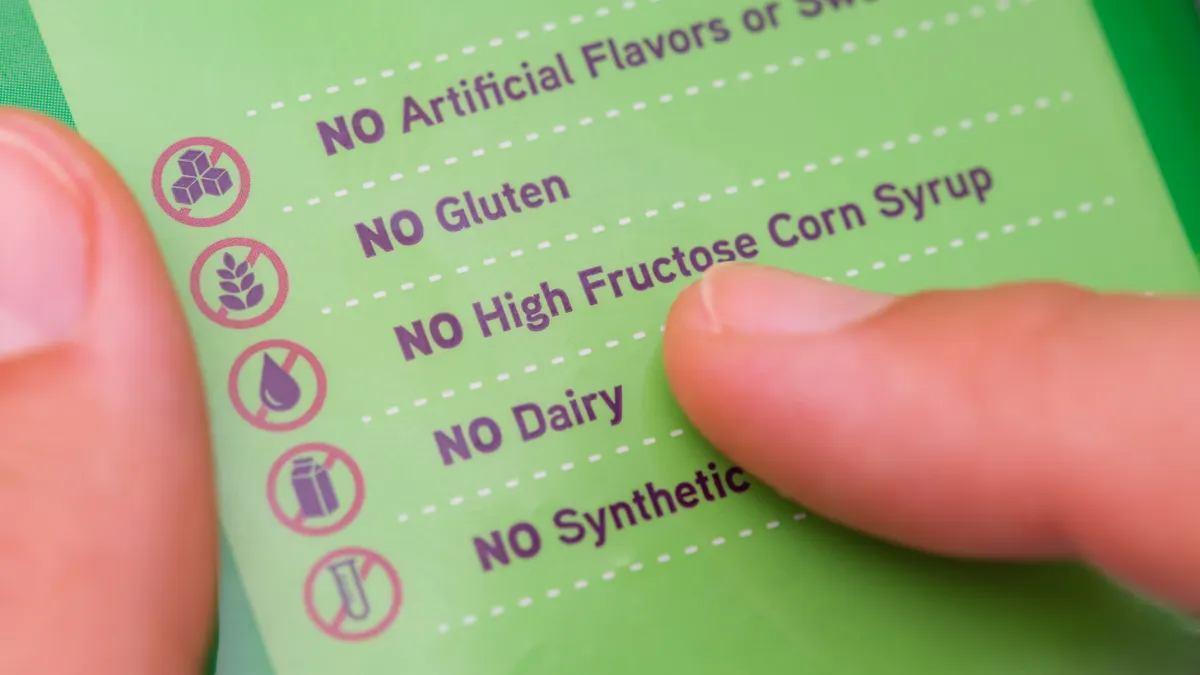
- Companies will now have the flexibility to claim their products contain “no artificial colors” as long as they don’t use petroleum-based dyes. Previously, brands could only use the label if their products had no colors whatsoever, even if they were from natural sources.
- The FDA said the move gives companies more options to transition to natural colors. The agency also approved beetroot red as a new natural color source option and will permit expanded use of spirulina extract as an alternative to synthetic blue dye.
Dive Insight:
The Trump administration said the relaxation of labeling rules is meant to clear up consumer confusion and remove potential roadblocks for companies exploring natural dyes as the industry stares down a voluntary deadline to remove artificial colors by the end of 2026.
“This is real progress,” Health and Human Services Secretary Robert F. Kennedy Jr. said in a statement. “We are making it easier for companies to move away from petroleum-based synthetic colors and adopt safer, naturally derived alternatives. This momentum advances our broader effort to help Americans eat real food and Make America Healthy Again.”
Although Kennedy has claimed that natural dyes are “safer,” experts have expressed concern that these alternative colors are usually not regulated and could still pose risks to consumers. Unlike synthetic dyes, which are overseen by the FDA, companies must self-certify that natural colors are safe, “placing the onus on manufacturers for compliance,” Paul Manning, CEO of color manufacturer Sensient Technologies, said in a statement.
Natural colors can pose risks from contaminants or be treated with chemicals or processed in ways that “may introduce harmful substances,” Manning said. Manufacturers also need to use more product to achieve the same hue as the synthetic color, which could lead to “potential inconsistencies.”
In announcing looser labeling rules, the FDA reminded manufacturers they should limit impurities, such as heavy metals, and take “all possible measures to ensure the safety and purity of the color additives they produce.”
The Trump administration has leaned into voluntary compliance to advance its “Make America Healthy Again” agenda, which has focused on the impact of processed foods on public health. This year, the FDA is expected to ask the industry to lower added sugar as it pushes policies that align with recent dietary guidelines promoting “real food” like meat or dairy.
While major companies including Hershey and General Mills have signaled they are willing to comply with the Trump administration’s push toward natural colors, other manufacturers have expressed concern around supply and cost limitations. Consumer expectations for brighter colors, particularly in the candy segment, have also left some companies hesitant to transition.