As breakfast evolves beyond cereal, food companies are seizing on the opportunity to bring the most important meal to other parts of the day, including lunch, dinner and even snacks.
For years, cereal was the king of breakfast. But increasingly, Froot Loops, Fruity Pebbles and Cinnamon Toast Crunch are giving way to handheld sandwiches and spreads as shoppers ditch sugar-laden offerings in favor of portable options with more protein and other nutrients.
Frozen food maker Conagra Brands is among the companies catering to consumer demand for all-day breakfast. Lunch occasions involving frozen breakfast items, for example, rose 18% among all consumers versus the prior year, according to Circana data cited by Conagra. This growth is slightly higher among Gen Z.
“While cereal is delicious, and I love it, it’s just carbs and sugar,” said Bob Nolan, Conagra’s senior vice president of demand science, who admits to occasionally having cereal for dinner. “That’s why breakfast has broadened as protein and portability [and] convenience trends continue to grow.”
More people are turning to breakfast burritos, bowls and wraps, which are particularly well-suited for consumption outside of the morning. These items are portable and easy to prepare, but they also include eggs, meat and other ingredients loaded with in-demand nutrients.
A change in eating habits is playing a major role in blurring the lines between breakfast and other meals. Mintel noted that 63% of breakfast eaters aged 18 to 34 are less likely than their older counterparts to eat a full meal in the morning, with younger consumers “substantially more likely” to prefer snacking.
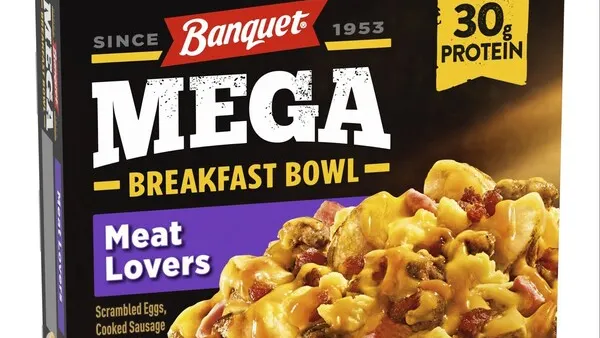
This shift has created opportunities for brands and retailers to roll out more portable products. Conagra has leaned in with the launch of mini Tennessee Pride breakfast sandwiches and Banquet Mega breakfast bowls, the latter of which is loaded with 30 grams of protein.
Alie Burnet, director of enterprise and portfolio strategy at Conagra, said more consumers are also reaching for breakfast items during other parts of the day because there's additional variety now in the market. She estimated that 16% of the breakfast category is from new items launched in the last three years, far outpacing high single digits in other categories.
In most cases, Conagra is careful not to “pigeonhole” an offering for breakfast based on its ingredients, Nolan said. Instead, it touts the broader attributes, like protein or portability, that are relevant to consumers regardless of the dining occasion or time of day.
“The best products in the store that sell the most are the ones that do lots of jobs,” Nolan said. “This can do a breakfast job. It can do a snack job. It can do a protein job. That’s where you start to see there is a lot of momentum when it’s not just doing a single thing.”
Spreading out the opportunities
Bringing breakfast offerings to other eating occasions is a logical move for food companies because they can tap into familiar brands that consumers already trust, according to Dan McCarthy, an associate professor of marketing at the University of Maryland.
“It’s just squeezing more out of existing customers,” he said. “You’re finding additional moments where they can be able to eat the same sort of thing.”
But sometimes, it takes effort to convince consumers that a product can be eaten at an unexpected time of day.
When Ferrero brought Nutella to the U.S. in 2009, the Italian food company had to educate consumers on how to use the chocolate hazelnut blend, which wasn't inherently tied to breakfast. Nutella itself was also a new concept that, without some help, could lead to confusion among consumers if they didn’t know how to use it.
Nutella eventually caught on as a topping for pancakes, toast and waffles, but it wasn’t long before the spread made its way to sandwiches or as a permissible compliment to healthier snacks like strawberries for children.
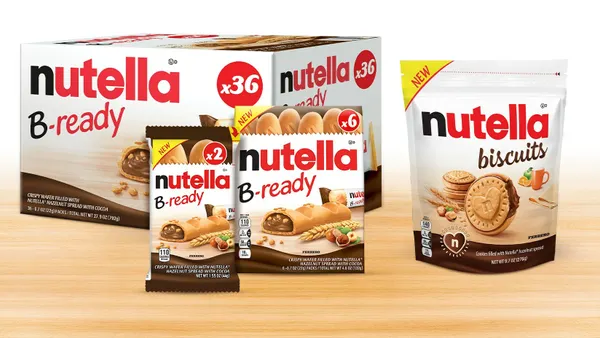
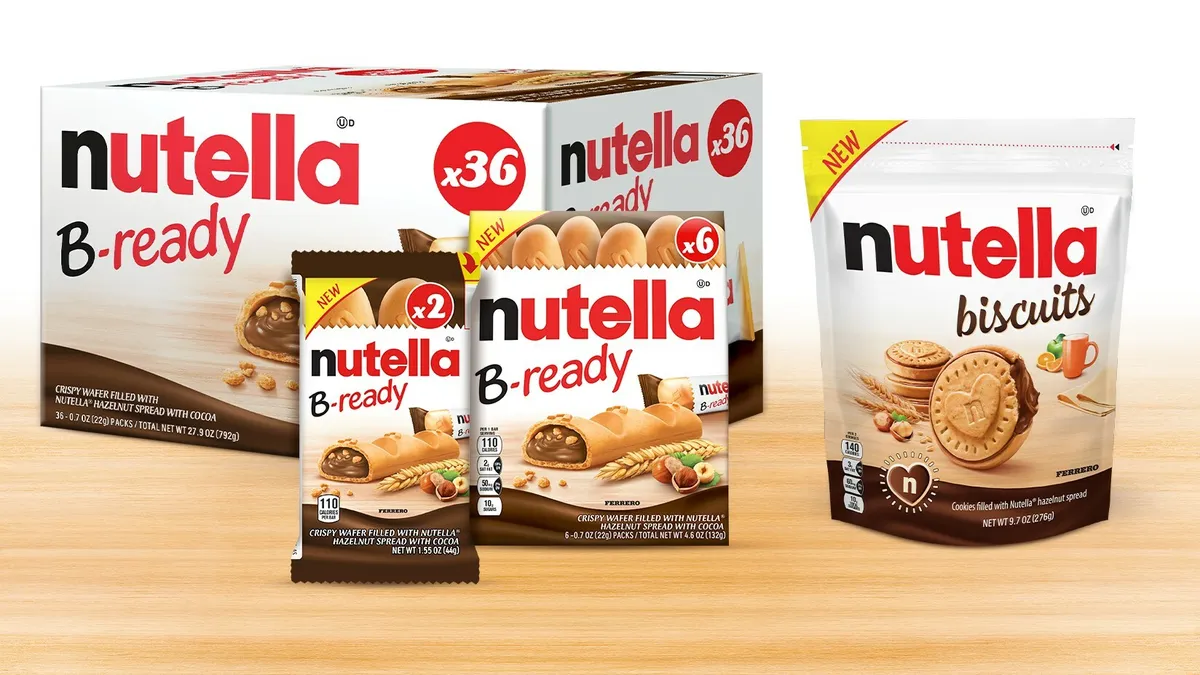
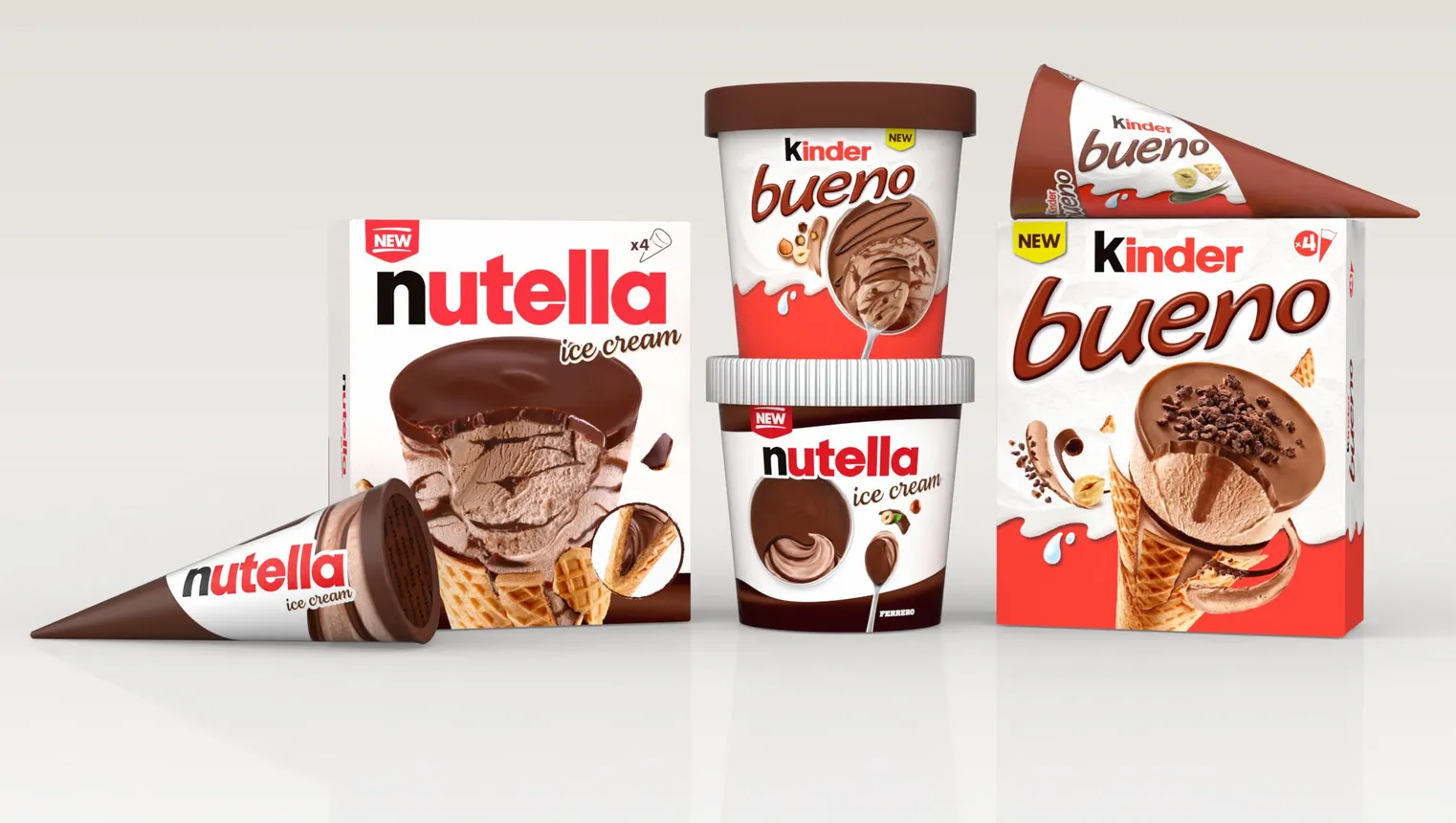
The chocolate hazelnut spread is now growing its position beyond breakfast. Ferrero has launched a portable format through Nutella & Go, a crunchy biscuit with Nutella spread inside and Nutella B-Ready, a crispy wafer shell filled with Nutella.
“We had to build up the use of Nutella in breakfast to a pretty sizable and meaningful occasion, and it’s taken hold,” said Seth Gonzalez, director of marketing in the U.S. for Nutella. “Then it became, well, how do you expand that?”
Earlier this year, Ferrero brought Nutella to the frozen novelty sector for the first time in the U.S. with Nutella ice cream and cones. This spring, it launched Nutella Peanut, a peanut-flavored version of the spread that deepens the brand’s presence in lunchtime and evening snacking occasions.
The newly launched products have proven to be a boon to the core spread. Gonzalez said many new consumers to the brand who try these products eventually add the jar spread to their purchases. The recent innovations have also played a big part in getting the Nutella brand into more households, now at 28%, versus 18% for just the spread.
“We’re small, but we’ve been rapidly growing,” Gonzalez said. “The other formats have been helping us accelerate that growth.”
McCarthy speculated that breakfast’s penetration into other dayparts is unlikely to abate anytime soon, especially given the trend's prominence among younger consumers. As consumers mature and become parents themselves, they are likely to instill many of the same habits in their children.
Companies able to successfully take breakfast into other eating occasions could eventually wrestle away business from competitors.
“For certain brands that have a toehold in the breakfast foods market, they may be uniquely able to capitalize on this,” McCarthy said. “But you can imagine a lot of other companies that just don't have that position, so ... [they] might actually be vulnerable.”