As big food companies prune their portfolios to accelerate growth and improve their focus, once-unloved brands are finding a new home with buyers eager to breathe new life into these castoffs.
Food manufacturers are mired in arguably the toughest time for the industry in decades as inflation, changing eating habits and higher input costs weigh on their businesses.To cut costs and boost margins to appease shareholders and analysts, many companies have found less is more and have moved to sell off underperforming brands to focus on core offerings or areas with most potential for growth.
In many cases, these companies are finding willing buyers in the form of startups and private equity firms. In the last few years, The Campbell’s Company divested Pop Secret, Noosa yogurt and Emerald Nuts, while Conagra Brands sold Chef Boyardee and Hormel Foods offloaded a majority stake in Justin’s nut butter.
These buyers often employ a similar strategy: assemble a portfolio of like-minded offerings such as snacks or baking products, then spend a few bucks to innovate, clean up and grow the brands away from Wall Street.
“CPG companies are recognizing that focus is king, which is inherently creating opportunities for brands to become kind of almost forgotten or left behind,” said Matt Paolucci, vice president of commercial strategy at private equity-backed Novus Foods, which bought Noosa yogurt from Campbell's in 2024. “What sets us apart is that we got the opportunity to build and define our strategy. Some of the larger players in the industry; their scale makes it difficult to be nimble and agile in order to adapt.”

Novus, with close to $1 billion in revenue, has honed its business to focus on fresh foods, a fast-growing part of the grocery store channel. Today, the company’s portfolio includes Fresh Cravings salsa, Noosa yogurt and Señor Rico’s Hispanic desserts.
“There’s power in focus, both in terms of our ability to execute and in our ability to add value to our retail partners,” Paolucci said. “ It wasn’t that the other company was doing anything wrong, but it really fits into our ecosystem really well and allows us to scale it in a way that maybe a larger company might not.”
Henk Hartong, CEO of private equity firm Brynwood Partners, said that when his firm purchases a brand from Big Food, it has already identified shortcomings and can “pretty quickly and specifically accelerate performance.”
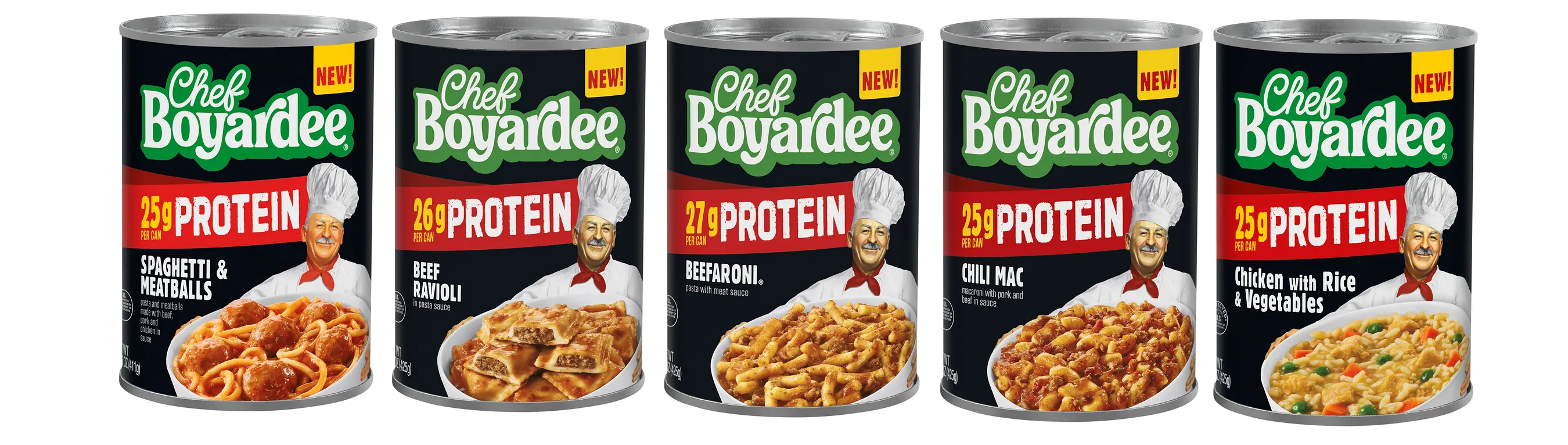
Last year, Brynwood Partners acquired Chef Boyardee from Conagra for $600 million. Since then, it has already launched skillet meals and Protein Canned Pasta to tap into consumer demand for convenience and protein.
After Brynwood purchased Funfetti as part of a $375 million purchase of J.M. Smucker’s shelf-stable baking and pancake business in 2018, it stepped up innovation in the core baked goods line and extended the brand through new products and licensing into categories including ice cream cakes, sourdough bread mix and pancake mix.
Brynwood also spent time building Funfetti’s social media presence by bringing the brand to Pinterest and Instagram, platforms key to attracting younger consumers who will pass on their affinity for it when they become parents. Sales responded, soaring more than 50% since the date of the acquisition.
“The big difference for us is we're actively working with management in these businesses to accelerate results,” Hartong said. “Look, being private or owned independently provides you with the flexibility to make quick, fast decisions, especially if you're really connected to your management team. That's one of the things that we're able to do; what would take a big company six months takes us six weeks.”
Snacking company Our Home has been largely built by purchasing castoffs from other food companies, saying its smaller size has allowed it to be more nimble in navigating potential headwinds faced by larger companies.
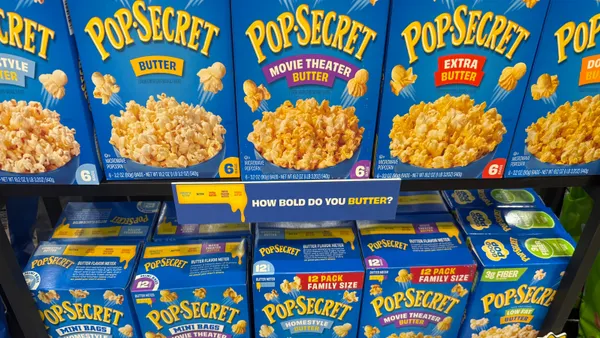
Since 2023 alone, Our Home has purchased R.W. Garcia and Good Health from Utz Brands, Food Should Taste Good from General Mills, ParmCrisps from Hain Celestial and Pop Secret from Campbell’s. The goal is to build a diverse snacking portfolio that meets a variety of consumer needs and budgets, according to Megan Osowski, vice president of marketing at Our Home.
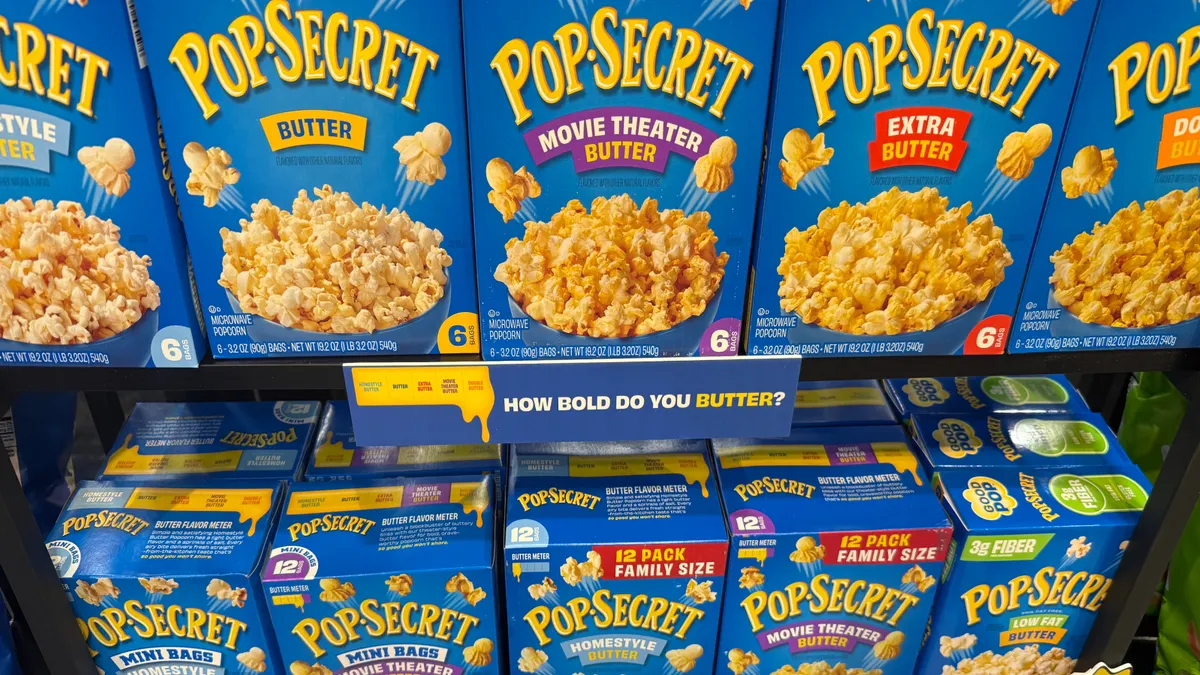
Since Our Home acquired Pop Secret in 2024, the food brand aggregator has modernized the packaging and added a butter meter to the side of its microwave popcorn to provide more clarity for shoppers. It also prioritized selling package sizes that are portion-controlled or suited for budget-conscious consumers and launched Pop Secret’s first ready-to-eat offering.
“We are a small company. We have a nimble team, and a real kind of focus on where we see growth opportunity in the marketplace,” Osowski said. “We’re focused on how do we take the brands that we have and really nourish and harvest them and build them up to be a platform where they can drive growth.”