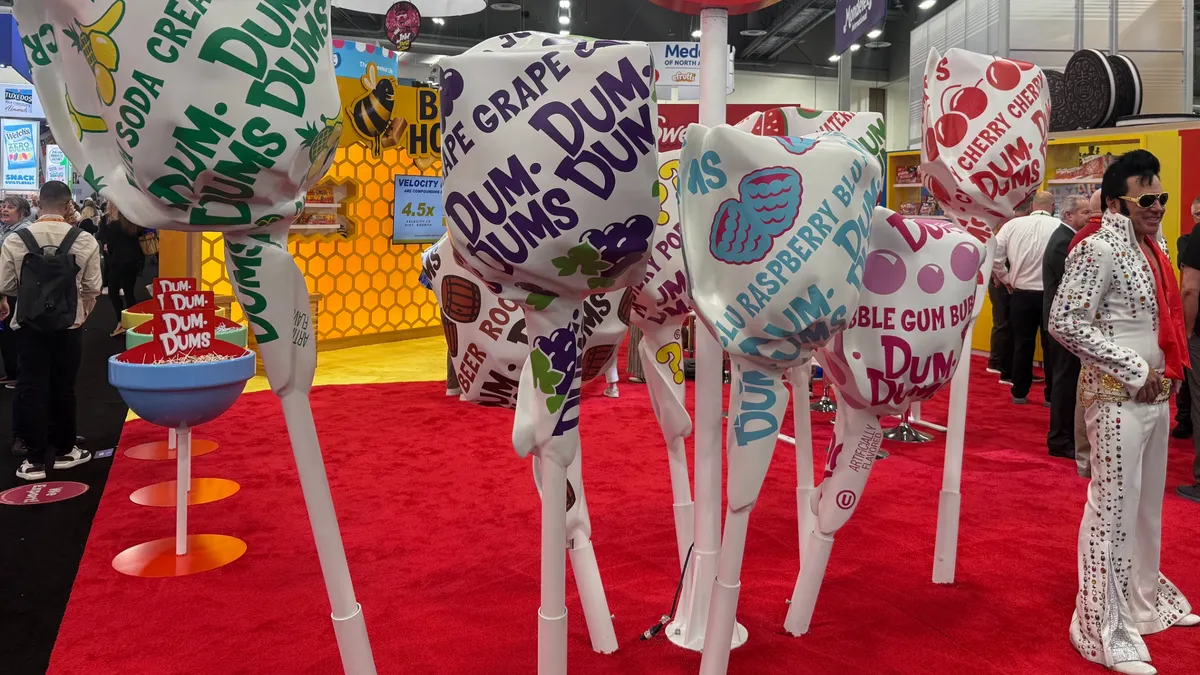
Sweethearts and Dum Dums owner Spangler Candy Company has built a future sweet on nostalgia.
The 120-year-old Spangler has carved out an enviable niche with nostalgic brands, many of which are over a century old themselves. And while its offerings may not generate billions of dollars in sales like megabrands M&Ms or Reese’s, Spangler executives say its candies are still able to withstand the test of time and stand out in a category dominated by chocolate, caramel and crispy bits.
“These brands have incredible history to them,” said Evan Brock, vice president of marketing at Spangler. “That history makes them very difficult for competitors to come and take their place. You obviously can't replicate that kind of nostalgia, that kind of legacy overnight.”
Sales at the sweets maker, now run by a fourth-generation family member, are growing at a “satisfactory” 3% and 5% clip each year, the executive said.
Spangler started in 1906, making baking soda, cornstarch and spices before it entered the candy space just two years later.
Today, its business is devoted entirely to sweets, though none of the major candy brands in its portfolio was created by Spangler itself. Instead, the company has added brands over time through acquisitions, often by purchasing assets in financial distress or mired in bankruptcy.
Spangler added Dum-Dums, its largest and most recognized brand, in 1953, and today churns out 2.3 billion annually of the tiny lollipops found in banks, school offices and barber shops. The Ohio company added a seasonal candy cane business a year later, growing it to the point where Spangler is now responsible for nearly half of all candy canes made in the U.S.
“We're really great at honestly restoring some of these legacy brands that just have incredible history in the marketplace,” Brock said.
More than half a century later, Spangler is still pulling out that playbook to revitalize distressed candy brands. The company acquired Bit-O-Honey in 2020 and quickly moved to refresh the brand after realizing it “needed some TLC,” Brock said.
After studying the market, Spangler went about overhauling the brand to better appeal to Bit-O-Honey's largely adult consumer base. The company changed the packaging, which included making the bee mascot less juvenile. Spangler also reverted back to the original recipe by softening the bar and adding more almonds.
The changes have paid off, with sales surging 50% during the last year.
“It was a big change that frankly, we were a little nervous about,” Brock recalled. “But it was a good move, and restoring Bit-O-Honey to its original recipe has kept people coming back for more.”
Sweethearts, acquired in the same transaction, reverted to its classic flavor mix and the original recipe that gives the candy its signature crunch. The candy also has added new and topical messages to its hearts in recent years in an effort to stay relevant to consumer trends in dating.
Shortly before Valentine’s Day this year, Spangler added “Love in This Economy” sayings to its iconic conversation hearts with phrases such as “Split Rent,” “Share Logn,” and “Buy n Bulk,” complementing classic sayings like “Cutie Pie” and “Marry Me.” The quips generated buzz that helped draw attention to the brand, which is known for being the only candy that speaks.
Spangler doesn't necessarily make big changes to every brand. Other candies Spangler has acquired have stayed true to their roots.
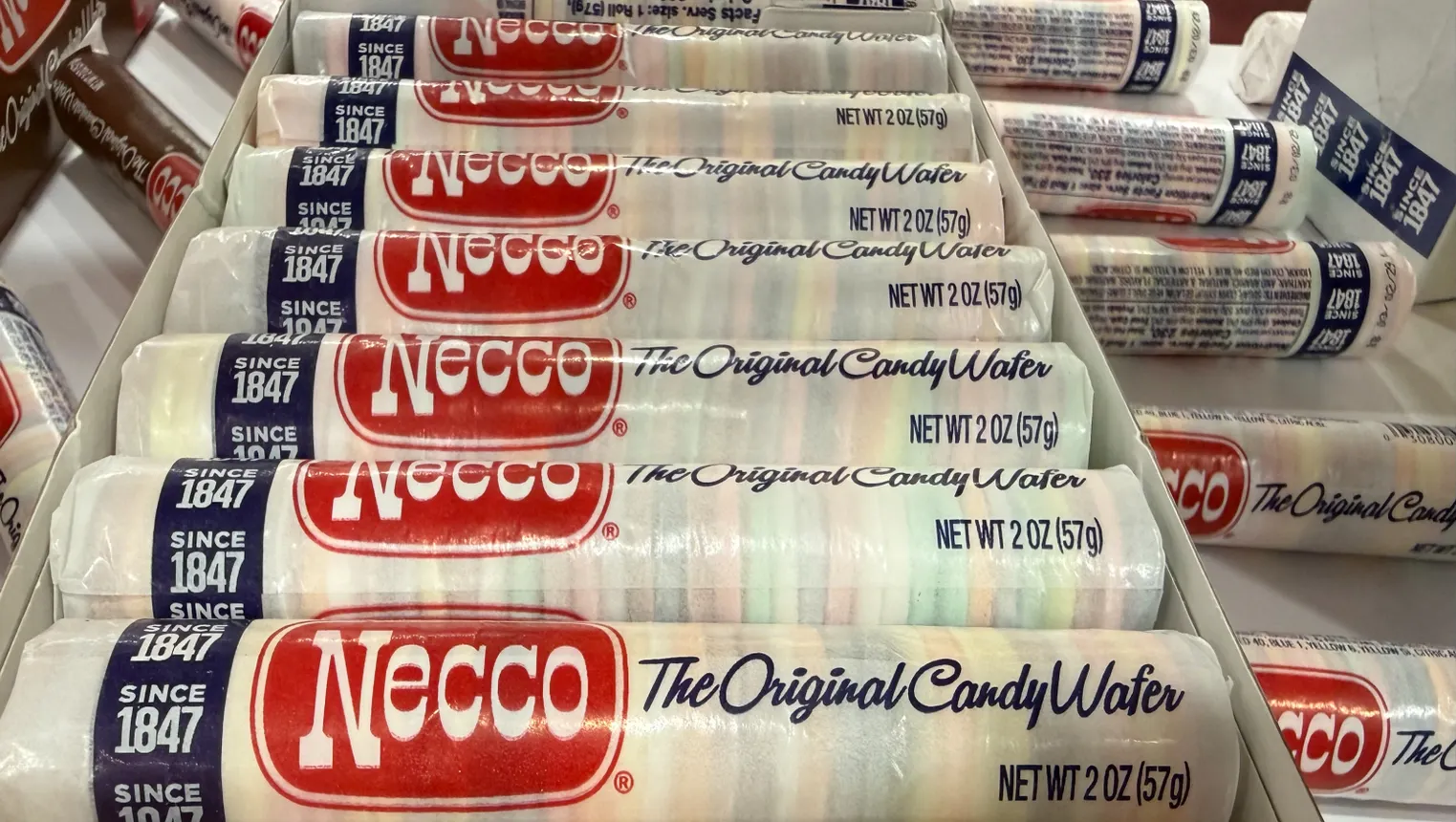
Shortly after buying Necco wafers in 2018, Spangler opted to leave the candy alone. The company observed that consumers wanted to embrace Necco’s nostalgia and came to the conclusion that changing the nearly 200-year-old candy could actually damage the brand.
“The truth is, other marketers, other brands would kill for the kind of nostalgia that our brands have, but there is a process of keeping them relevant with consumers that just has to be done to sustain these types of legacies,” Brock said.