
As consumer demand for better-for-you, cleaner labels and functional foods grows at an unprecedented rate, the willingness to compromise taste and indulgence may be disappearing even faster.
Yet even as developers' margin for error shrinks, the list of ingredients, demands and taste challenges they present only gets longer.
Successfully incorporating innovative ingredients and optimizing formulations is great. But it might not matter if you miss the mark on taste.
This is where Edlong’s suite of masking taste technologies can be the differentiator CPG brands need to meet the moment.
Let’s explore some of the most common challenges developers are facing today and how Edlong’s tailored solutions can overcome them.
Protein
The first ingredient shouldn’t come as a surprise.
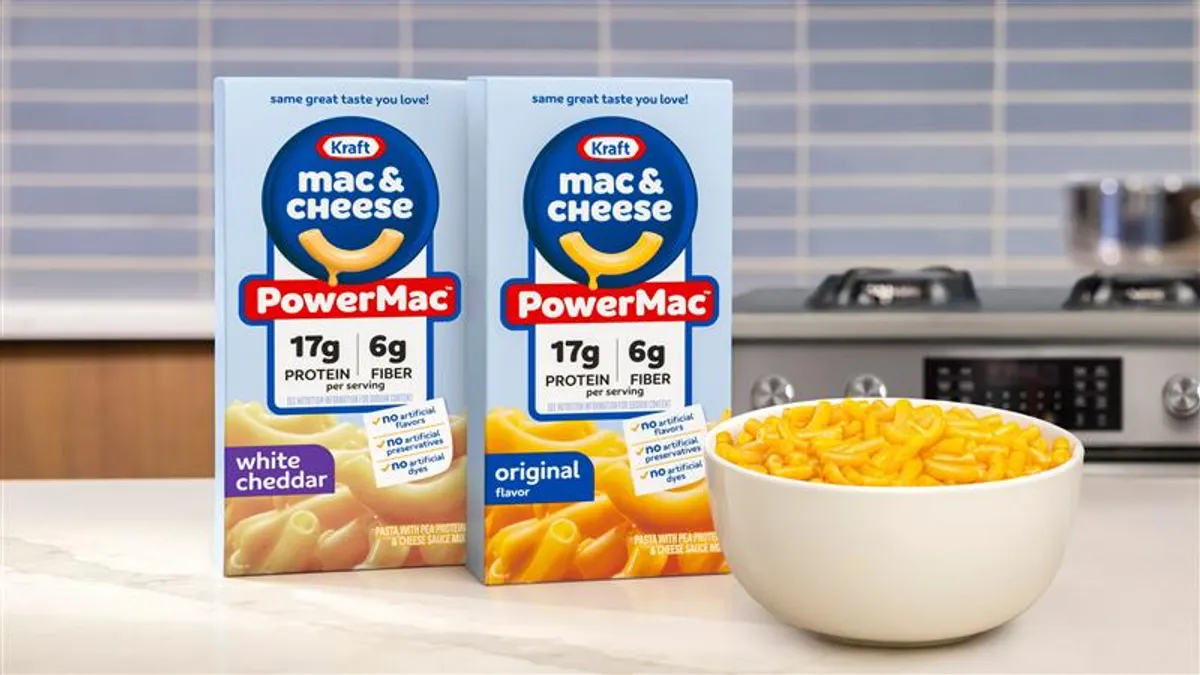
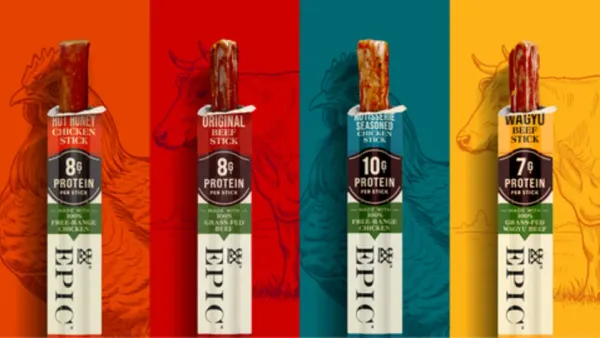
Protein is already seemingly everywhere and still, developers are finding ways to incorporate it into even more products.
Yet despite the undeniable benefits fueling its popularity, it still presents a number of formulation challenges.
Chief among these are unwanted off-notes. This is regardless of the source. They could be the pungent wet-dog notes of whey or the grassy, beany, even earthy notes of many plant proteins. If left unaddressed, any of these can ruin the product experience for anyone.
Another growing category is hydrolyzed proteins, valued for their improved digestibility. However, the hydrolysis process can produce bitter peptides that require effective masking to ensure a more enjoyable consumer experience.
Natural colors
Beyond shifts in consumer sentiment, regulatory policy has put natural colors top of mind for developers of all sizes.
Although many may welcome this change, like other better-for-you or “clean” alternatives, these swaps are far from 1:1 replacements.
For starters, natural colors often require much higher levels in a formulation to achieve similar levels of visual impact.
Unlike the relatively neutral taste impact of artificial colors, as you reach higher levels of ingredients like paprika, annatto, beet, turmeric, etc., they begin to introduce their inherent taste qualities, chemical-feeling factors and, of course, bitterness.
Supply and demand
Whether it’s newer ingredients like natural colors or well-established ones like proteins, overwhelming demand can make it hard for suppliers to keep up with developers' needs, especially those of larger CPGs.
While broadening your supply base can solve part of the problem, each supplier’s ingredient could introduce slight variations in performance and taste challenges.
This adds additional layers of consideration and complexity for CPGs where taste standardization and product performance are paramount.
Masking taste technologies: A two-step approach
Utilizing a taste architecture approach, Edlong’s masking taste technologies provide a wide range of functionality. These solutions go beyond traditional off-note masking, helping to suppress bitterness while enhancing overall taste, sweetness and mouthfeel for a more satisfying sensory experience.
Bitterness, in particular, is a challenge across many better-for-you products. To address this challenge, Edlong's Masking Taste Technology utilized a two-step approach: cross-modal interaction and receptor informed inhibition
Cross-modal interactions
Cross-modal interactions occur when different simultaneous sensory inputs modify the experience of the other. In our case, this is leveraging aroma and mouthfeel to impact and improve taste.
In taste-aroma interactions, a vanilla aroma could enhance perceived sweetness, or a cream flavor could reduce the impact of bitterness.
Similarly, a cream flavor could create a creamier, fattier mouthfeel perception that, when combined with a taste modality, can cause the brain to perceive less bitterness or fewer off-notes.
Receptor-informed inhibition
The human tongue has twenty-five different bitterness receptors. Yet, each one of these receptors is activated by a different range of foods and compounds. Some are broader in spectrum than others, creating a wide gradation of bitterness perception.
Through receptor-informed inhibition, we looked at common ingredients known for bitterness, like caffeine, quinine, casein-derived peptides (simulating aged cheese) and pair these know bitterants with compounds to determine where trained sensory panels see decreases in bitterness. This information, along with published research on receptor activation, allows Edlong to create receptor-informed masking solutions.
This research allowed us to find components in our natural taste technologies that can literally block and inhibit the bitter compounds from reaching the receptors.
Meet the moment
Whether it’s renovating existing formulations with protein and natural colors, or innovating something brand new, Edlong’s masking taste technologies and authentic flavors offer tailored solutions for CPGs looking to give consumers the benefits they demand, the consistency they expect and the taste they crave without the compromise.