
The rules for consumer packaged goods have changed. For the past 13 years, TELUS Agriculture & Consumer Goods has tracked the food and beverage industry to see how it’s evolving. In 2026, we expanded our study beyond the US to include the UK and Australia. We surveyed over 3,000 shoppers to understand exactly how their habits are shifting on a global scale.
As brands look ahead, three main challenges are defining the market: tighter household budgets, a lack of interest in constant price wars and fading brand loyalty. To succeed in 2026, companies need to move away from old tactics and focus on three specific areas: price optimization, flavor innovation and brand differentiation.
Maximizing margins through price optimization
Even as inflation levels out, consumers remain cautious. Our 2026 findings confirm that price is the top factor influencing purchase decisions across all three global markets. In the US, 71% of shoppers say they are willing to switch brands for a better price.
This price-driven behavior has fueled the rapid rise of store brands. When shoppers are focused on the bottom line, national brands must find ways to prove their value without relying solely on deep discounts. Success in 2026 will come down to using regional scenario planning to optimize promotions, ensuring that your brand reaches deal-seekers effectively while protecting your margins.
Driving growth with flavor innovation
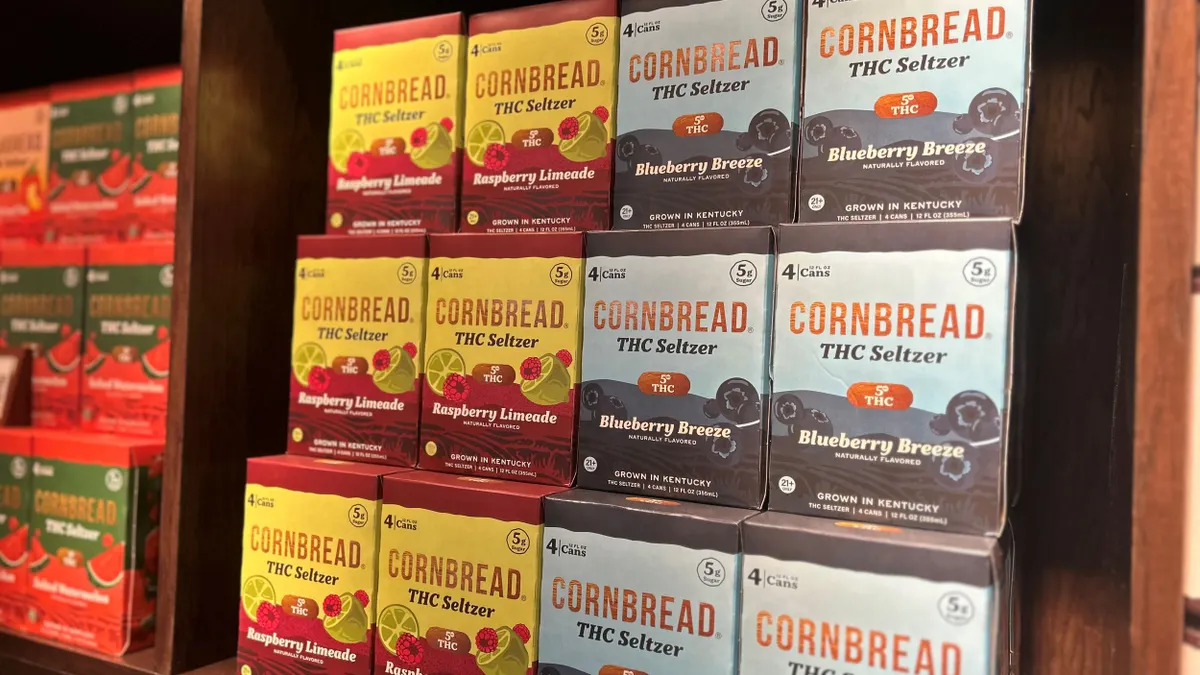
Constant price-cutting is a race to the bottom that can damage brand equity. Flavor innovation has emerged as a powerful way to break out of this cycle. Our research shows that 59% of consumers will switch brands to experience a unique or exciting new taste.
Focusing on flavor allows brands to justify full-price purchases even when budgets are tight. For instance, Heinz in Australia successfully bypassed price competition by launching "UnBEANlievable" regional flavors like Taco and Peri Peri.
Earning the shopper's choice with brand differentiation
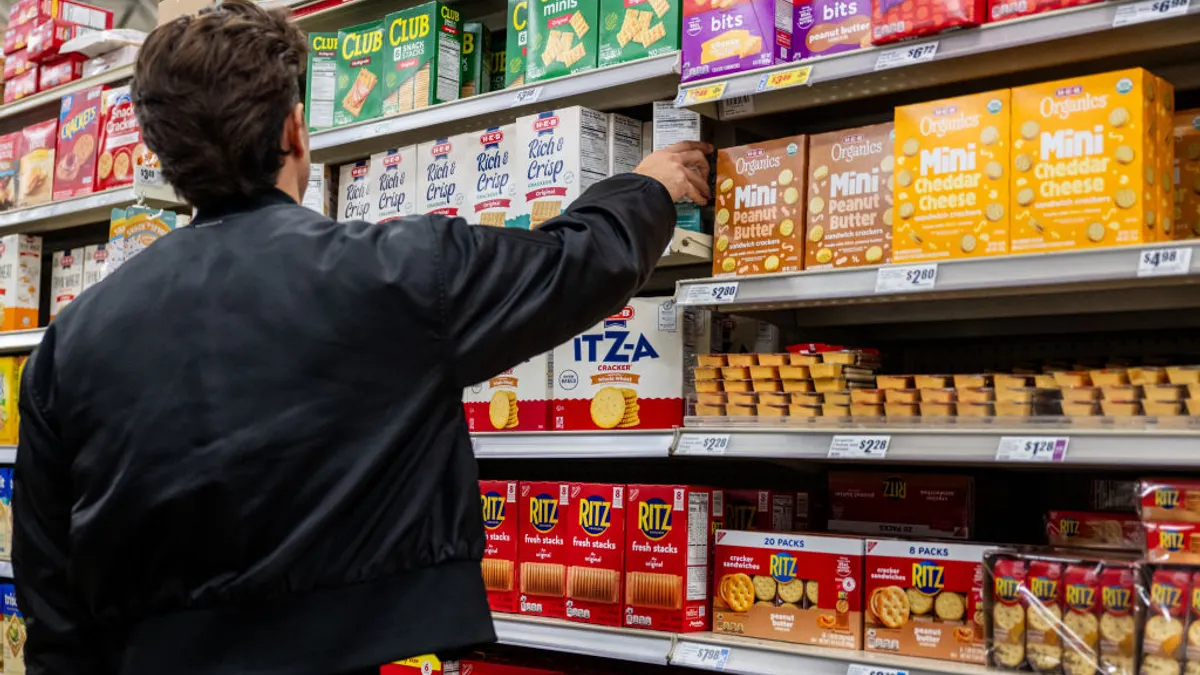
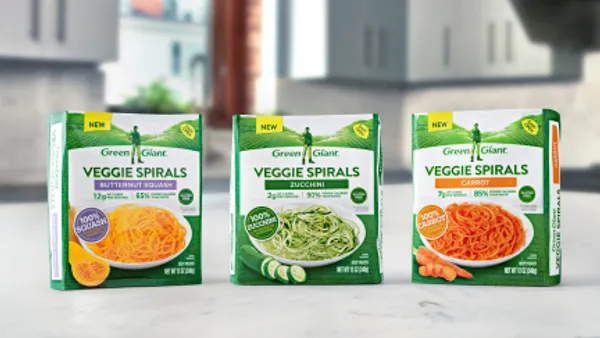
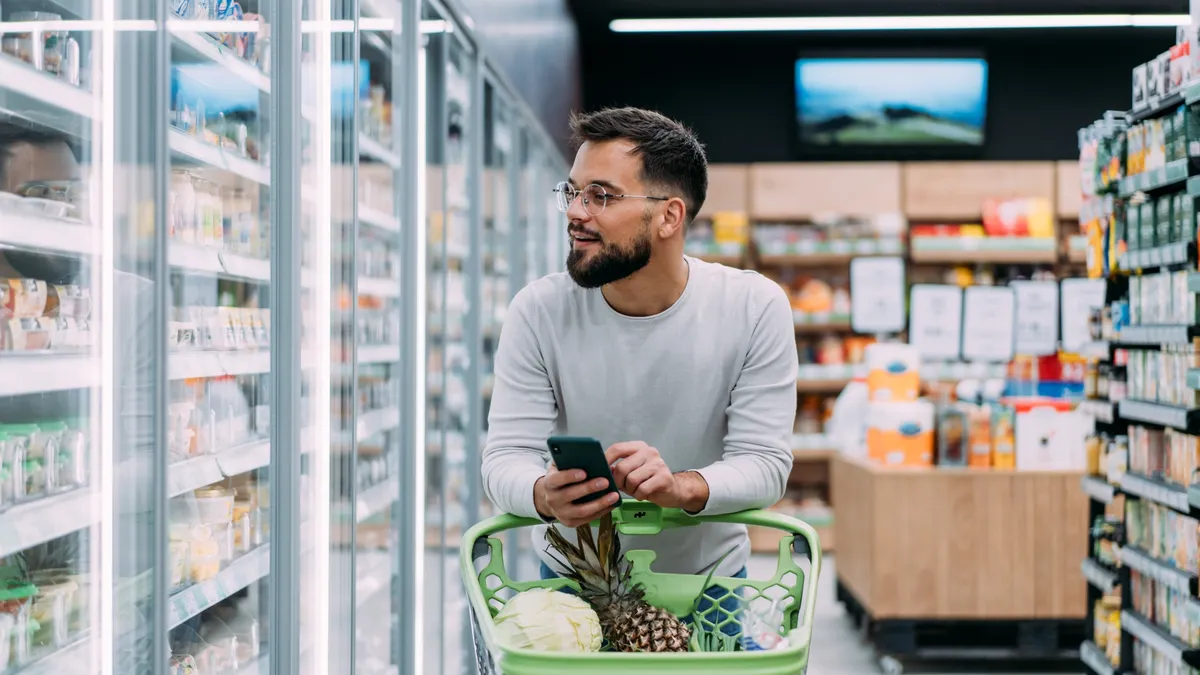
With 55% of global shoppers making their final choice while standing in the aisle, the physical shelf remains the most critical point of influence. The brands that will win in 2026 are those that differentiate themselves through clear, functional benefits—such as clean ingredients, sustainability, or health perks.
In the UK, brands like Clipper Teas have used sustainable packaging to stand out in a crowded market. Making your brand's unique "hook" immediately visible at the shelf is essential to capturing the attention of a distracted shopper.
Winning locally: tailoring your strategy for global growth
While global trends exist, every market requires a localized lens to be successful. American shoppers are the most brand-loyal group we studied, yet their loyalty is constantly being tested by a digital-first search for value. Because 52% of US consumers now make their final purchase decisions at the shelf, brands must win the moment of choice both digitally and in-aisle.
Meanwhile, shoppers in the UK and Australia show a higher sensitivity to specific ingredient claims and sustainability. These distinctions prove that success in 2026 requires more than a one-size-fits-all approach. Success requires tailoring sales and loyalty strategies to connect with your target shopper.
Turning insights into action
In a dynamic landscape, data-driven decisions are the only way to move forward with confidence. TELUS Agriculture & Consumer Goods provides the digital solutions needed to navigate evolving consumer behavior, from using trade promotion management to model promotion scenarios to monitoring shelf compliance in real-time with retail execution.
By focusing on the core pillars of price, flavor, and differentiation, you can move from simply reacting to the market to leading it.