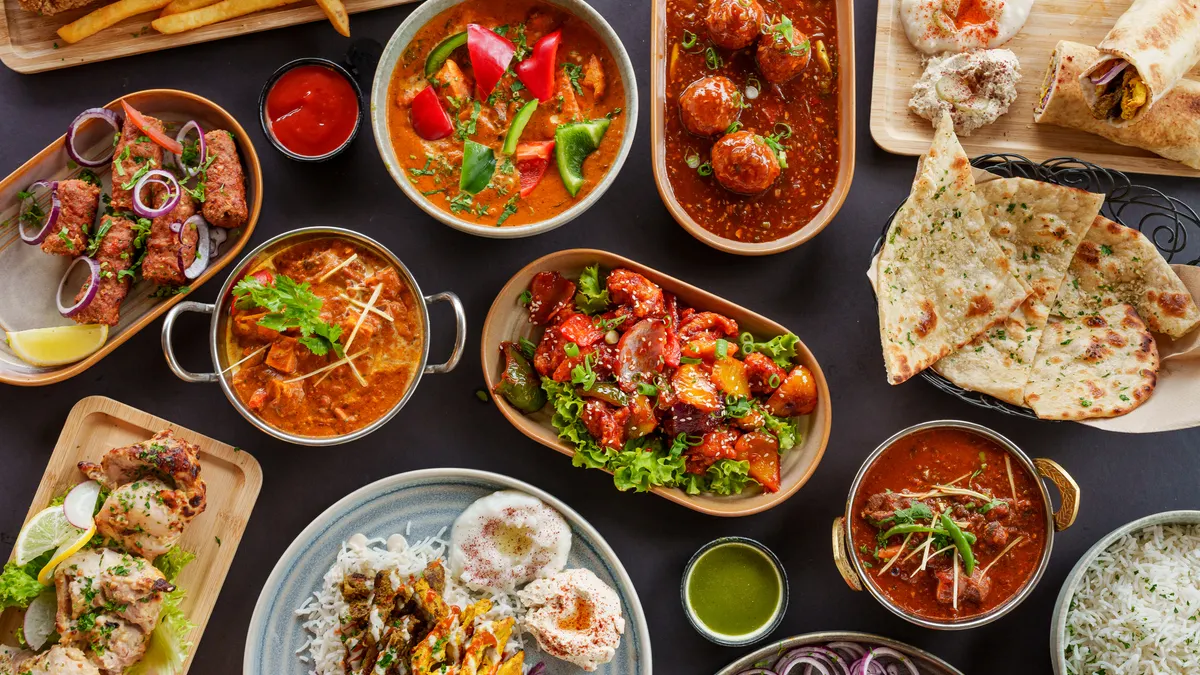

Consumers’ appetite for spicy foods continues to intensify. According to global research from Kalsec, 81% of consumers say they enjoy spicy food at a heat level of medium or above.
And while 95% of restaurants say they have at least one spicy menu item, consumer demand for creating restaurant-inspired meals at home is driving them to bold, spicy CPG products. Nearly three-quarters of global consumers now choose spicy options when cooking, more than a 30% increase since 2019.
For CPG manufacturers, meeting that demand requires more than turning up the heat. Brands must balance bold, differentiated flavor with the formulation expertise needed to deliver consistent products at scale.
“We see brands working hard to differentiate themselves and become the one consumers gravitate toward when trying new spicy products,” says Chef Anna Cheely, Senior Culinary Innovation Manager at Kalsec, which provides innovative taste and sensory, natural food protection and natural colors to savory-focused food and beverage manufacturers. “They want to create items people talk about, share with friends and post across social media and digital channels.”
Why At-Home Dining Is Fueling Heat Innovation
“Experience dining” has been on the rise, but as consumer budget priorities shift, dining “in” is in. Market insights provider Innova has identified socializing, entertaining and cooking at home as a top trend, with consumers eager to build confidence and experiment with more adventurous dishes.
But in a key shift for CPG manufacturers, Cheely notes, “Consumers are looking for flavors that feel authentic and rooted in place, and they’re becoming more interested in regional pepper varieties, global cuisines and layered heat experiences, rather than simply the hottest product on the shelf.”
Kalsec’s research finds that 86% of consumers say they love to experiment with heat at home. But that doesn’t mean they want to be the ones turning up the heat. Convenience is key, with 60% of consumers saying they prefer to buy premade spicy foods. This opens the door for manufacturers to deliver sauces, spice blends or DIY meal kits that make it effortless to bring the fun home.
How CPG Brands Can Create More Intentional At-Home Heat Journeys
While extreme heat once dominated product innovation, today's consumers are looking for more nuanced spice. “CPG brands should think about heat from a much broader perspective than simply adding spice,” Cheely says. “Consumers increasingly expect heat to enhance the overall dish, not overpower it. They're looking for products that deliver flavor, authenticity and balance alongside the heat.”
As Cheely notes, heat isn’t just overall intensity or Scoville Heat Units (SHU). “It's about how quickly the heat builds, how long it lasts, where it's perceived and how it complements the overall profile.”
One of the key challenges is inconsistent terminology. A brand might use “heat” and “pungency” interchangeably, even though they use different ingredients to achieve them.
For example, these active compounds contribute to the following sensations:
- Burn: vinegar, liquor
- Tingling: Szechuan pepper
- Nasal pungency: mustard, horseradish and wasabi
- Heat: chili pepper, black pepper and ginger
To help establish an industry standard for these terms and definitions, Kalsec Lead Sensory Scientist, Robin Boyle, collaborated with other leading sensory professionals through ASTM International to publish a guide last year for evaluating products that produce heat sensations.
Brands also have to know their consumers: One person’s medium is another’s mild. Heat perception is influenced in different ways:
- Acidity and thermal temperature accentuate perception
- Fat content mutes pungency
- Moisture and alcohol content accentuate perception
- Viscosity and particle size delay perception
Rather than relying on trial and error, manufacturers need a way to consistently deliver these characteristics across production runs. One of the biggest value propositions Kalsec provides is helping bridge the gap between highly technical sensory science and real-world product development, Cheely explains.
“As chefs and product and recipe developers, Kalsec teams take their technical expertise to help CPGs understand how different heat ingredients perform and interact with other tastes to build the right sensory profile,” she says. “And, as new technologies and ingredient systems emerge, we work to understand them, apply them and translate that knowledge into practical solutions for our customers.”
In that way, Kalsec serves as the connection between understanding the science of heat and delivering enjoyable dining occasions, while also giving CPGs the language to communicate heat more clearly.
Is Your Brand Ready to Turn Up the Heat?
According to Cheely, Kalsec approaches heat solutions from the ground up. “Literally—our expertise begins with agriculture. Capsicum is where our company started, and we've spent decades honing both technical knowledge and a trusted supply chain around peppers and heat ingredients,” she says.
That expertise has continued to evolve, from technologies that were once considered groundbreaking into today’s advanced extraction methods and sophisticated taste and sensory solutions. Now, manufacturers can move beyond making products hotter to intentionally designing more layered heat products that allow consumers to reproduce restaurant-inspired flavor adventures at home.
Ready to explore the world of heat? Find out more about Kalsec’s HeatSync System today.