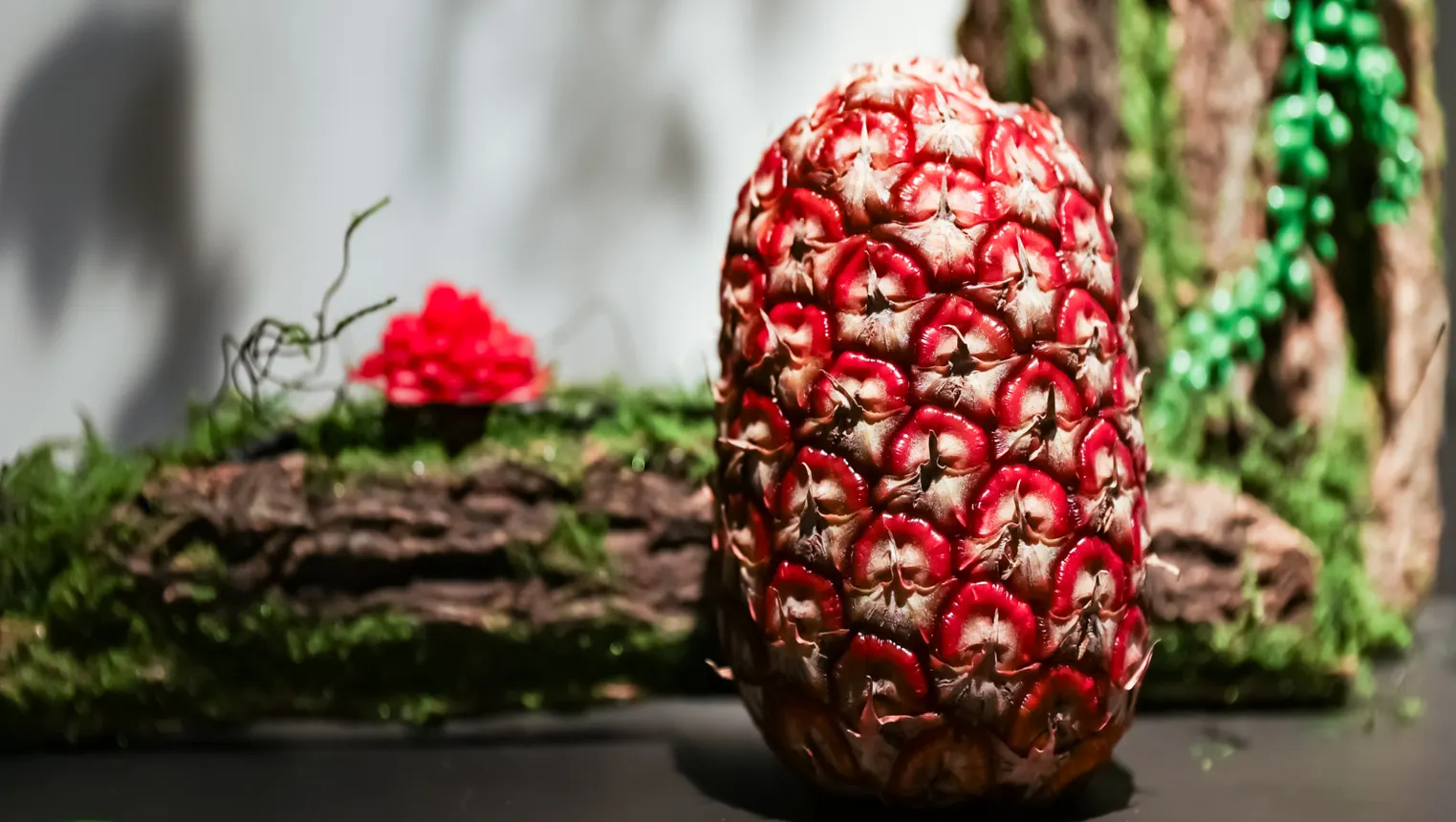
The seller of a mysterious ruby-colored luxury product describes it as rare and full of global intrigue. When the offering first debuted in China in 2024, it reportedly sparked a waiting list. Once it reached North America four months later, it was positioned as an ultra-premium designer item.
The product isn’t a car, perfume or jewelry, but a $395 pineapple from produce giant Fresh Del Monte.
Called the Rubyglow, the premium pineapple takes two years to mature and is grown in a tropical rainforest in Costa Rica to help its flavor and quality. Only a few thousand of the pineapples are produced each year and they always sell out.
Rubyglow is part of a larger lineup of luxury pineapples from Fresh Del Monte and represents how producers are increasingly positioning fruit as a luxury product to broaden its appeal and generate interest among consumers looking for new experiences. Produce giant Dole has also entered the premium pineapple game last year with a Colada Royale variety that has flavors reminiscent of pina coladas.
“Retailers are looking to revitalize what is kind of a mature [pineapple] category. There hasn’t really been, up until probably the last couple of years, a lot of new development,” said Bil Goldfield, director of corporate communications at Dole. “There is a gap in the market and we’re looking to fill it.”
Pineapples are not the only fruit variety to see recent, sweeping innovations.
Grocery stores are being stocked with expensive, sometimes hard-to-find fruits that promise to deliver a unique look or taste from their traditional counterparts. Cotton Candy flavoring infiltrated grapes 15 years ago, while Wish Farms’ Pink-A-Boo Pineberries (a pink blush strawberry with a hint of pineapple) appeared in the produce aisle in 2021.
For Dole and Fresh Del Monte, the two largest pineapple producers, premium innovations are driving growth in the category, rather than simply shifting volume from the traditional fruit.
Ivan Brown, senior director of marketing at Del Monte Fresh Produce, said in an email that households purchasing specialty pineapples are “often more active overall in the category.” He added consumers who purchase premium pineapples not only purchase the fruit more often, but also spend 6% more per grocery trip.
Paying the price
Many consumers buy the premium pineapples for special occasions such as gifting or serving at a party. Others purchase the fruit as a way to enjoy a new experience — and they are willing to pay more for it.
Premium pineapple varieties typically aren’t cheap, with the most common specialty varieties costing a few bucks more than their traditional counterparts, which usually go for about $3.
At close to $400, Fresh Del Monte’s Rubyglow variety is far and away its most expensive pineapple.
Rubyglow’s scarcity has prompted Fresh Del Monte to compare the luxury product to other coveted foods, like rare truffles or specialty Wagyu, “where rarity and experience are part of the appeal.”
“Rubyglow pineapples represent how the pineapple category is evolving beyond a traditional commodity fruit into a space where innovation, craftsmanship and premium experiences can exist,” Brown said. “Rubyglow is really about reimagining what a pineapple can be.”
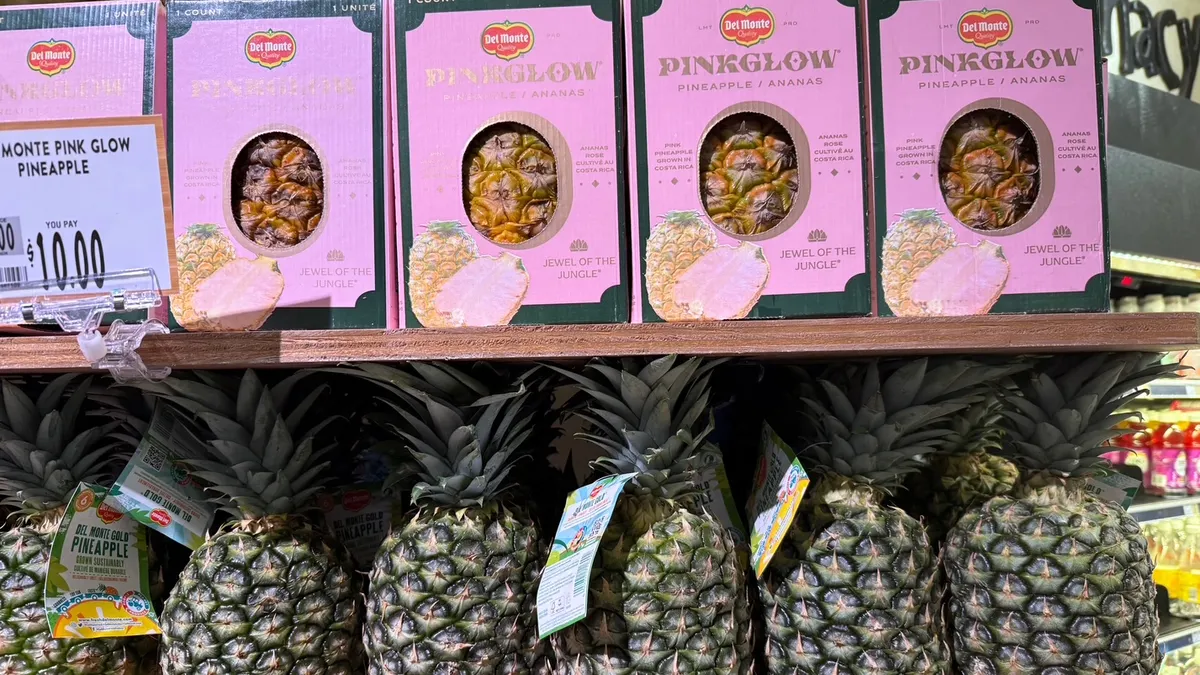
The company also has premium options at lower price points. Pinkglow, the only pink pineapple on the market, typically goes for $30. Fresh Del Monte's ultra-sweet Honeyglow retails for between $5 and $8.
The main reason for the Rubyglow’s steep price tag is supply and demand, of course, but also the process of creating that pineapple is long, tedious, unpredictable and costly. The Rubyglow, for example, is a cross between a traditional pineapple and the red-skinned Morada pineapple, which is typically inedible.
Similar to other fruits, developing a new pineapple variety doesn’t happen overnight.
It takes pineapple researchers about 15 years to develop a new variety using conventional breeding practices to slowly uncover unique characteristics, such as flavor or color, that would resonate with consumers.
Once a new variety is selected, it takes 18 months to grow the average pineapple in tropical countries, such as Costa Rica and the Philippines, on a finite amount of valuable acreage.
“You have to be pretty confident to decide we’re going to base whatever percentage of our land on an unproven product,” Goldfield said. “You’ve got to start small and work your way up.”
Pushing pineapple’s boundaries
The 125-year-old Dole has taken a bigger bite of the premium pineapple market with Colada Royale, but priced the offering much lower than its top competitor. It started developing the Colada Royale variety 15 years ago, and only brought it to market in late 2025.
The pineapple, which offers notes of coconut flavor that are reminiscent of a piña colada, has already proven to be a hit, Goldfield noted. He said select retailers who first carried the product are asking for more, while competitors, observing its success in the market, are seeking to get it into their own stores.
Each Colada Royale pineapple costs about $5 to $9, depending on the fruit's size.
Dole has reached out to its farmers in Honduras to produce more Colada Royale pineapples, and the company is planning to expand production into Costa Rica. It expects to double output annually for the next few years, with the expectation that Colada Royale could eventually be a year-round staple on shelves and become as ubiquitous as a regular pineapple.
Even though most pineapples are grown in tropical climates thousands of miles away from the continental U.S., America is a major consumer of the fruit.
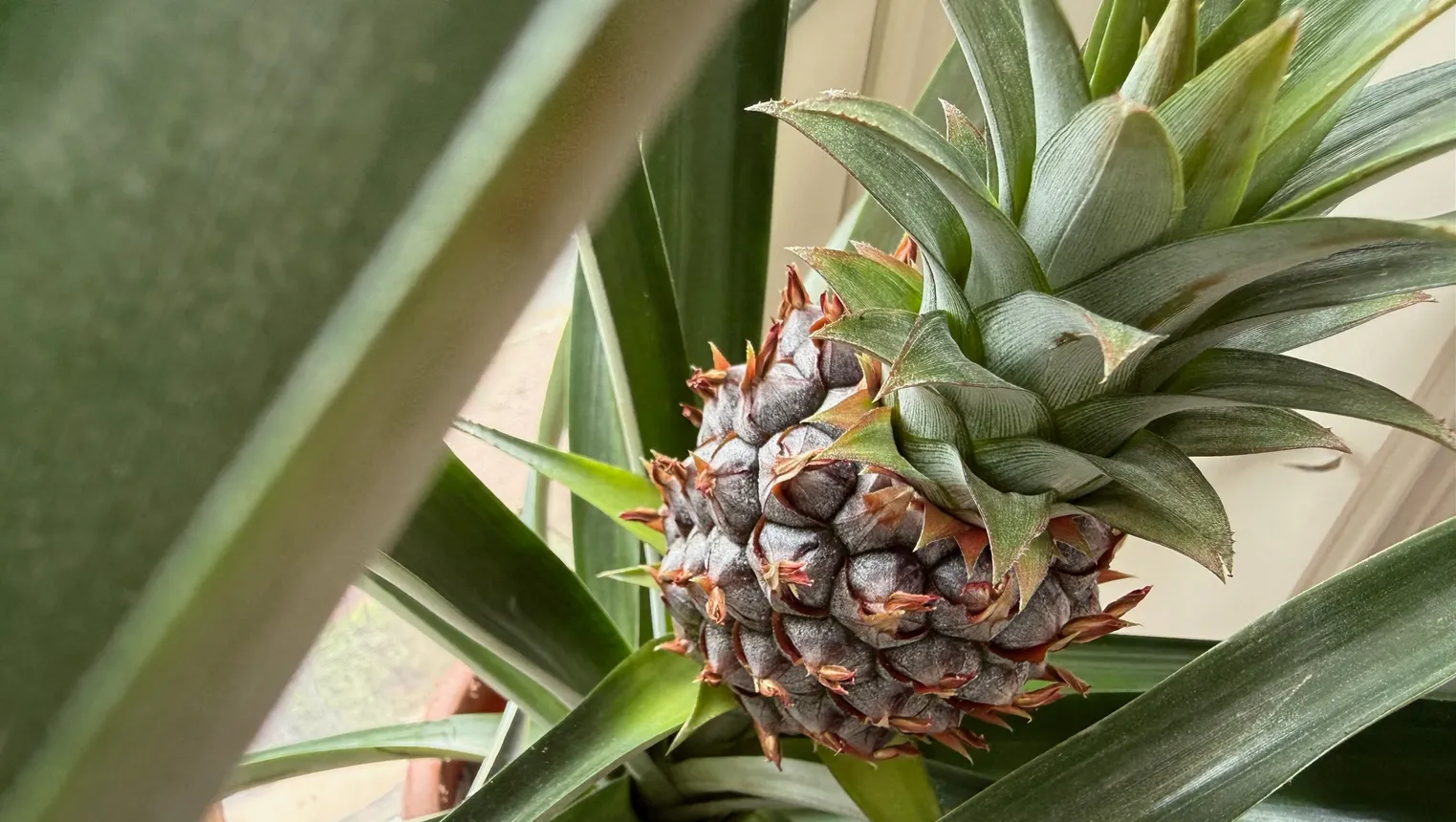
The U.S. is the largest importer of fresh pineapples, with the average consumer eating a record 8.5 pounds in 2024, according to USDA data, up sharply from less than a pound annually in the 1970s.
A major part of that increase comes from specialty varieties that have re-energized the category by attracting new users and encouraging existing shoppers to trade up, according to Brown.
“By introducing new varieties and fresh takes on familiar favorites, we’re giving shoppers more reasons to stop, explore and get excited about the category,” Brown said.
Fresh Del Monte and Dole, which together produce the lion’s share of pineapples sold in U.S. stores, said premium fruits give them a unique, exclusive item that helps them stand out to retailers and consumers.
While specialty varieties make up a small portion of both Dole and Fresh Del Monte's businesses, they're crucial to giving their offerings a leg-up at grocery stores, especially since retailers typically carry only one pineapple brand. In the case of Fresh Del Monte, specialty pineapples represent only 10% of its pineapple business.
For both Fresh Del Monte and Dole, these varieties have an outsized impact when it comes to increasing the value of the category, boosting its premium mix and driving consumer engagement. While specialty pineapples make up "a small portion of unit sales" for Dole, the produce giant remains bullish on the category.
“We want to keep pushing it and creating new things and reasons for the generations to be interested,” Goldfield said.