Dive Brief:
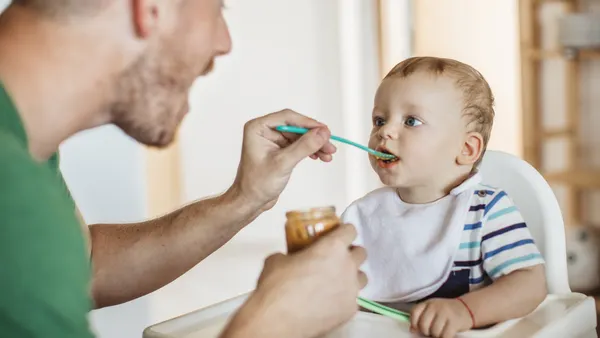
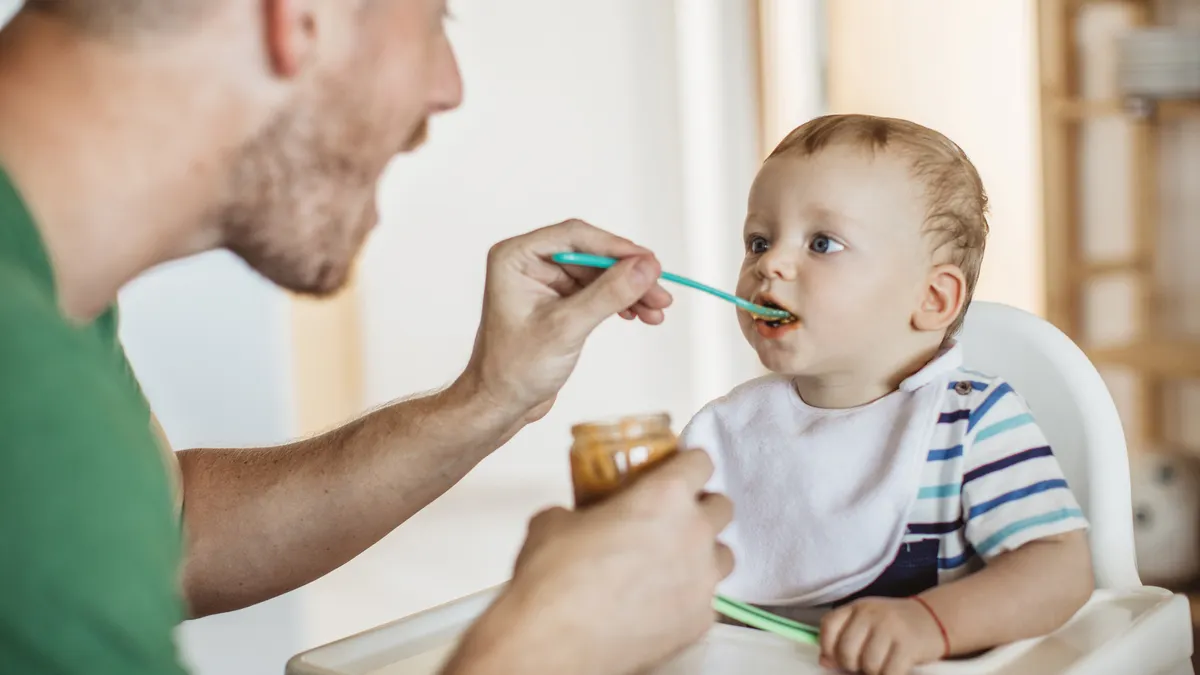
- Texas sued baby food giant Gerber, claiming the Nestlé-owned brand deceived consumers by knowingly selling products with dangerous levels of arsenic and lead.
- Attorney General Ken Paxton alleges Gerber baby food contained high levels of lead, cadmium and arsenic from 2017 to 2019. Paxton is seeking more than $10 million in penalties against the brand for allegedly violating state consumer protection law, according to the lawsuit filed in a Texas district court.
- A Gerber spokesperson said in an emailed statement that the brand's baby food meets FDA limits for heavy metals and every product is tested for more than 500 toxins and contaminants. The brand added it has long been committed to reducing levels of heavy metals, which cannot be completely eliminated from the food supply.
Dive Insight:
The Texas lawsuit claims Gerber failed to improve its testing or safety standards following a 2021 congressional investigation that found high levels of heavy metals in baby food. The investigation prompted the FDA to launch an industry-wide "Closer to Zero" initiative to reduce childhood exposure to toxins in food by setting limits on arsenic, cadmium, mercury and lead.
So far, however, the FDA has only set limits for lead. Product tests from Consumer Reports in September found that while baby foods have lower levels of heavy metals than in the past, some products from Gerber and other brands still had concerning levels of inorganic arsenic.
Paxton in 2025 opened an investigation into Gerber and Plum Organics, a baby food brand owned by the Sun-Maid Growers of California, over the alleged presence of heavy metals. Last month, the attorney general and U.S. Senate candidate reached an agreement with Plum to strengthen testing standards and ensure products are not shipped if contaminant levels surpass FDA or EU thresholds.
Lead, arsenic, and cadmium are often found naturally in the earth's crust and can leach into fruits, vegetables and grains, which are commonly used to make baby food. Heavy metals can also make their way into foods through farming or manufacturing practices.
A Gerber spokesperson said that it has rigorous internal standards, which help make the brand "the most recommended baby and toddler food brand by pediatricians in the U.S." The company said it reduces heavy metal presence through "careful ingredient sourcing, supplier requirements, testing and quality controls."
Gerber has also moved to increase transparency by posting test results behind a QR code on its labels, part of a move to comply with a California state law. But Paxton said Gerber's safety claims have not changed.
Paxton, who is in the midst of a fierce Senate campaign, has honed in on food issues central to the Make America Healthy Again movement that's found political traction on both sides of the aisle. The attorney general has opened investigations into big food companies for claims made around ingredients such as avocado oil, and launched probes into manufacturers for a lack of progress on goals around artificial dyes.
“Gerber promised parents its food was safe and rigorously tested. Its own tests showed toxic metals in the food," Paxton said in a statement. "When a company makes promises about what parents feed their babies, I will hold it accountable to ensure those promises are kept."