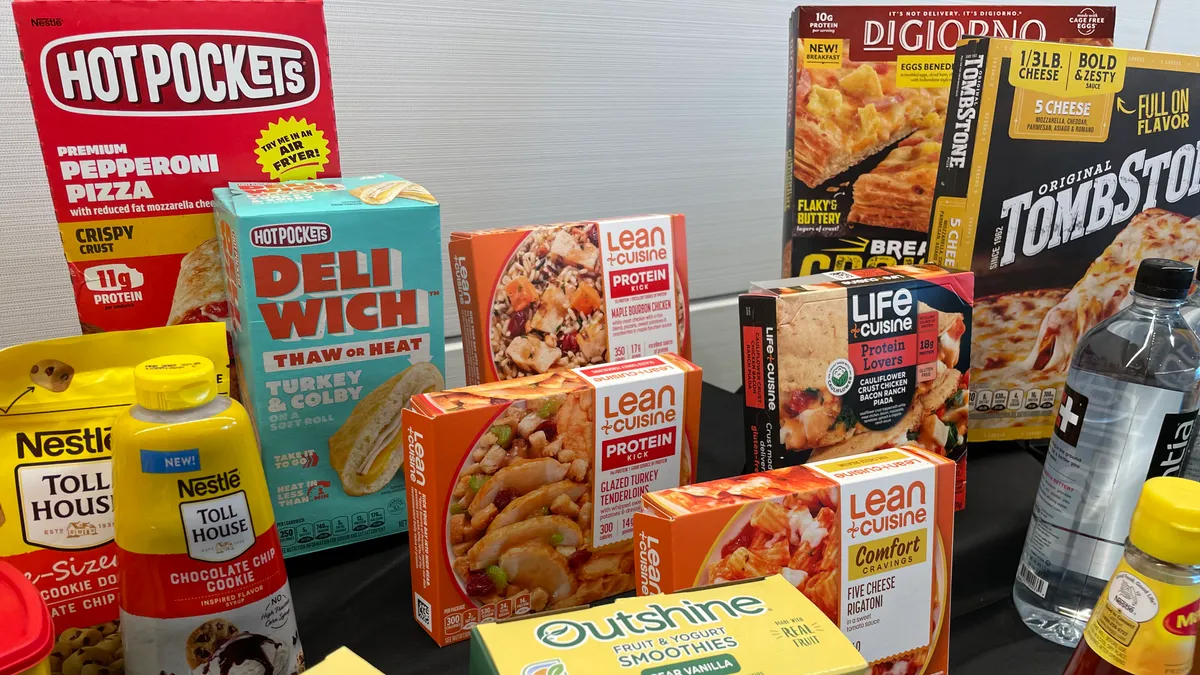
Nestlé is undertaking an extensive review of its U.S. portfolio as the DiGiorno pizza maker works with a "sense of urgency" to strengthen its brands and win more eating occasions amid a pullback in spending and changing consumer preferences, according to the division's top executive.
In this first interview since taking over as CEO of Nestlé USA in January, Marty Thompson said the company is rethinking some packaging sizes, focusing innovation on fewer, bigger bets and considering reformulating brands following blind taste tests as part of an aggressive effort to better connect with consumers.
“Right now our attention is really growing the core to its maximum potential, and we believe that we have a lot of runway,” the 64-year-old Thompson said, acknowledging the company previously failed to put enough “energy and emphasis” around its biggest brands. “We’re going to be a lot more focused in terms of how we direct our resources."
Thompson’s ascent to the top U.S. post at Nestlé, after close to a half-decade running its coffee business, comes as the Switzerland-based CPG giant and its peers downsize operations to contend with slowing sales and a shift toward better-for-you offerings.
 Marty Thompson, CEO of Nestlé USA
 Nestlé plans to cut 16,000 jobs, or about 6% of the company’s global workforce, during the next two years. Global CEO Philipp Navratil, who took over in September, said Nestlé will be “ruthless” in assessing its 277,000 employees as part of a broader effort to drive $3.8 billion in savings by the end of 2027.
Thompson acknowledged that job losses “will affect every market and every function in some way, and we’re right on the front end of that” in the U.S.
Nonetheless, he’s confident that Nestlé, which is already in 97% of U.S. households, can record growth that outpaces the broader U.S. food and beverage space during the next few years, adding hundreds of millions of dollars in sales to the company’s bottom line.
”We’re optimistic, and we’re focused,” Thompson said. “When the category is tight, we’re looking for things that will help us grow.”
‘We got some work to do’
A big part of its growth push has started with its products. To make sure Nestlé USA’s offerings were as superior as it thought, the company started conducting blind taste tests, asking consumers to try their products versus a competitor's to see which they preferred.
A slice of its DiGiorno pizza, for example, went head-to-head with frozen pies such as top-selling brand Red Baron and delivery options including Domino's.
“We’re preferred more often than not,” Thompson admitted. “But we got some work to do. We’re tough on ourselves.”
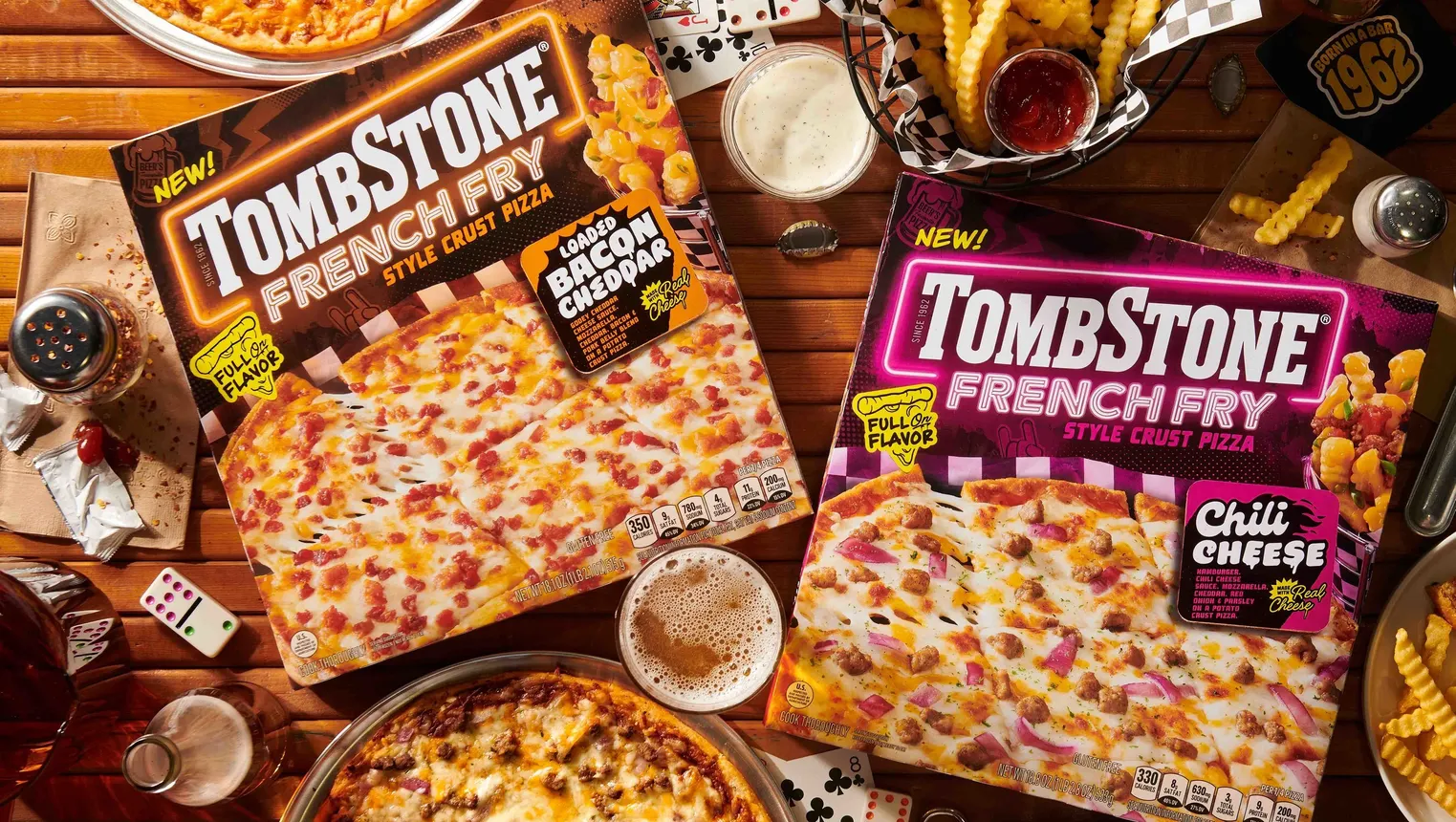
Nestlé USA expects to have finished testing three quarters of its portfolio by the end of March and could decide to change recipes, packaging or marketing depending on what it discovers.
The U.S. is the largest market for Nestlé, with its food and beverages in the region making up about 15% of its $114 billion in global revenue. Nestlé’s sprawling food and beverage business in the U.S. includes 31 brands spanning four categories: baking, beverages, coffee and chilled and frozen.
Thompson came into the role inheriting a strong portfolio, with most of Nestlé’s U.S. products being the first or second best-selling brand in their respective categories.
DiGiorno, Stouffer’s, Coffee mate and Starbucks packaged coffee each generate $1 billion or more in annual sales, with Hot Pockets, Nestlé Toll House, Nesquik, Nescafé and Lean Cuisine topping $500 million.
But Nestlé's top U.S. executive quickly identified growth opportunities that could be achieved through structural changes or shifts in innovation and marketing.
Earlier this year, Nestlé USA added a single-count offering to the Hot Pockets brand, giving consumers a cheaper option that proved useful in attracting new people to the brand. In addition, the launch of innovations, such as DiGiorno Wood Fired Style Crust Pizza last summer, helped Nestlé USA boost market share and tap into consumer interest in restaurant-quality meals.
The company also recently brought together pizza, snacking and meals into one division, better aligning the company with how consumers shop in the frozen aisle and enabling it to be more competitive and make better, faster decisions. Similarly, it merged its coffee and creamers divisions this year, a key step in closing the market share gap between the two segments.
Some of its changes have already started to pay off.
Nestlé “rebalanced” the price-value equation of products in its pizza business, allowing it to gain back market share. The decision to combine its coffee and creamer segments provided an opportunity for Nestlé to cross-promote the two categories, leading to “a strong turnaround in our U.S. creamers business,” a spokesperson said.
As it focuses on key categories in the U.S., Nestlé could also consider unloading some of its underperforming brands. The company has already overhauled its U.S. portfolio in recent years, selling some of its waters, divesting its candy business, including Butterfinger and Crunch to Ferrero Group, and offloading its ice cream offerings like Dreyer’s to a joint venture.
Nestlé is now reviewing whether to sell some of its struggling vitamin brands and determining the future of its premium water business, which includes Essentia and Sanpellegrino. The company is also reportedly considering options for its Blue Bottle coffee operation, which it purchased in 2017.
Thompson did not deny reports of potential divestitures, though he declined to provide more details.
The executive said that despite the headwinds facing Nestlé and other CPG manufacturers, he remained upbeat about the future of the company and the categories it plays in.
“Times are challenging. But on some level, that's energizing,” Thompson said. “What you find when you see [Nestlé] close up is just resilient and really ambitious.”