Sean McBride is the founder of DSM Strategic Communications and former executive vice president of the Grocery Manufacturers Association (now the Consumer Brands Association). Opinions are the author's own.
Do you remember those annoying math teachers who did not accept your homework or test answers at face value? They demanded you show step-by-step the calculations you used to arrive at your final answer.
Likewise, in our system of government, federal agencies are required to “do the work” to ensure government action is justified, showing that the benefits outweigh the costs and the action has a strong chance of achieving the desired results.
The Make America Healthy Again movement says processed foods are poisoning us. If that is literally true, it would represent an existential threat to the American public. One would think the federal government would move heaven and earth to protect its citizens.
But MAHA isn't doing the work needed to show that action against ultraprocessed foods is needed to protect health. In fact, the movement is doing little of anything to regulate the sector, instead deciding to ‘tar and feather’ food companies and defer its immense regulatory power to elected politicians in a few states.
The discord between MAHA’s words and deeds seems odd, but it makes sense if you take a closer look.
For starters, the FDA has the power to regulate food ingredients it deems harmful, and Health and Human Services Secretary Robert F. Kennedy Jr. says petroleum-based food dyes are unsafe. Rather than start a formal process to properly investigate and ban the dyes he objects-to, Kennedy instead begs food companies to voluntarily stop using them.
On ultra-processed foods, or UPFs, Kennedy calls them poisonous. Yet the agency he leads has not delivered on its promise to issue the federal government’s first-ever definition of UPFs. Likewise, his FDA has not opened a formal rule-making process to establish bans on the processed foods Kennedy deems as unsafe and a threat to public health.
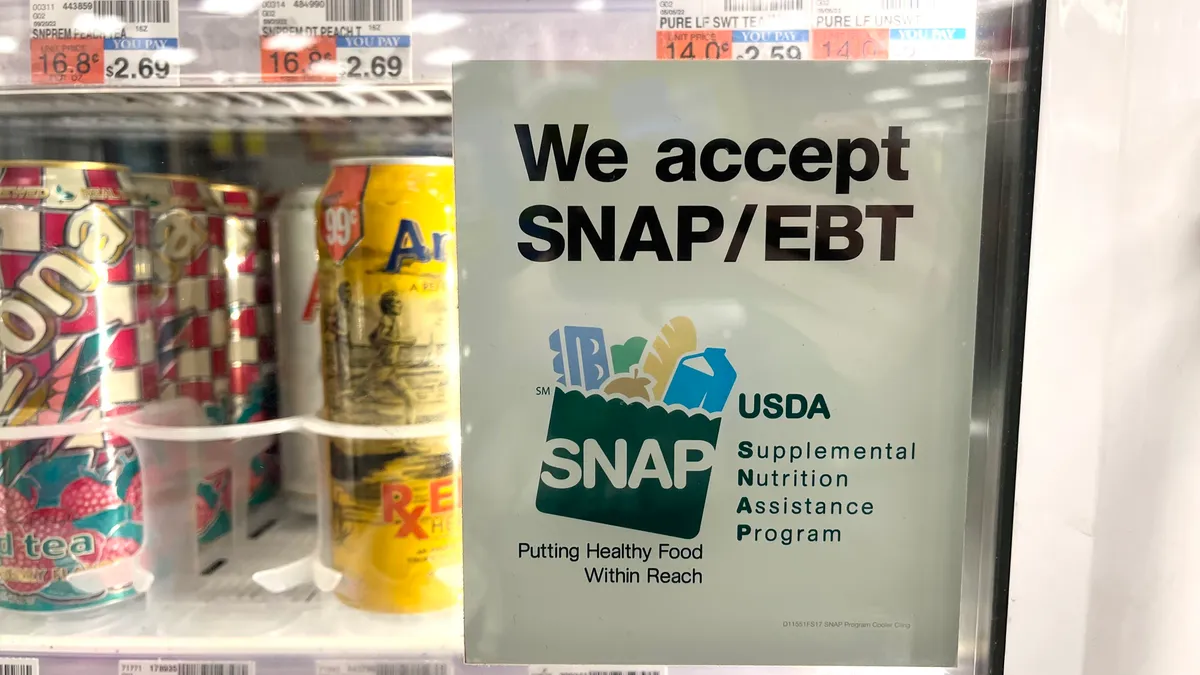
Separately, MAHA says Supplemental Nutrition Assistance Program recipients should not be able to purchase soda and candy because they are unhealthy options. Rather than amass irrefutable evidence of their danger and work with Congress to codify the change nation-wide, USDA is instead pushing a patchwork of states to implement bans on SNAP purchases.
Additional examples abound. Kennedy’s opinion on seed oils is clear. He calls them poison too. Instead of starting a regulatory process to ban them, he begs restaurants and food companies to use beef tallow, lard and butter in their products.
And despite a history of calling advanced crop protection products toxic carcinogens, Kennedy has declined to partner with EPA to attempt to ban the use of glyphosate and other pesticides, saying he does not want to hurt farmers or the economy.
There are two disturbing patterns that have emerged among those regulating the food supply in Washington, D.C. First, telling the public just about everything they consume is poison is irresponsible. Second, amidst that fear mongering, the failure to let the world’s leading food safety experts at the FDA and USDA do their jobs and make the requisite ingredient health and safety determinations is reckless.
Since MAHA and its allies control the executive branch of government and both chambers of Congress, there is little need for their opaque public health strategy. They have all the power and all the tools they need to go straight at their targets. That is why, all things considered, MAHA’s actions are far from shrewd; they actually signal weakness.
On much of its agenda, MAHA knows it is unable to demonstrate the legal and scientific justification for its food policies and that its ideas cannot stand up to the exhaustive investigation and public debate that federal regulation requires.
For evidence of that weakness, look no farther than West Virginia and Texas, where the courts have put the brakes on MAHA-inspired ingredient bans and ultra-processed food labeling mandates. The rulings are preliminary, but the judges slapped around those laws pretty hard in their injunction rulings, likely signaling both will be struck down entirely later this year.
Food production – the feeding of 350 million Americans nutritiously and affordably – requires thoughtfulness, stability and predictability. And sound public policy demands those in power put their words and ideas to the test through a rigorous examination of the facts.
If MAHA has the courage of its convictions, it will do just that. My bet is they won’t because they can’t.