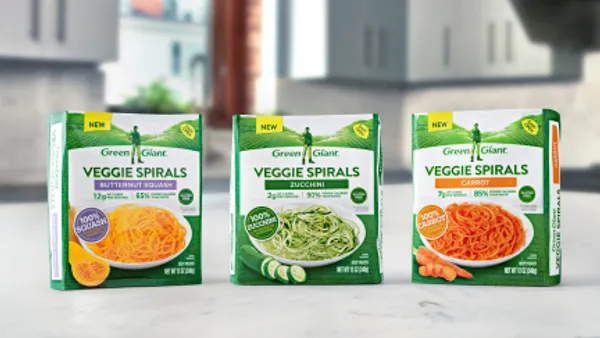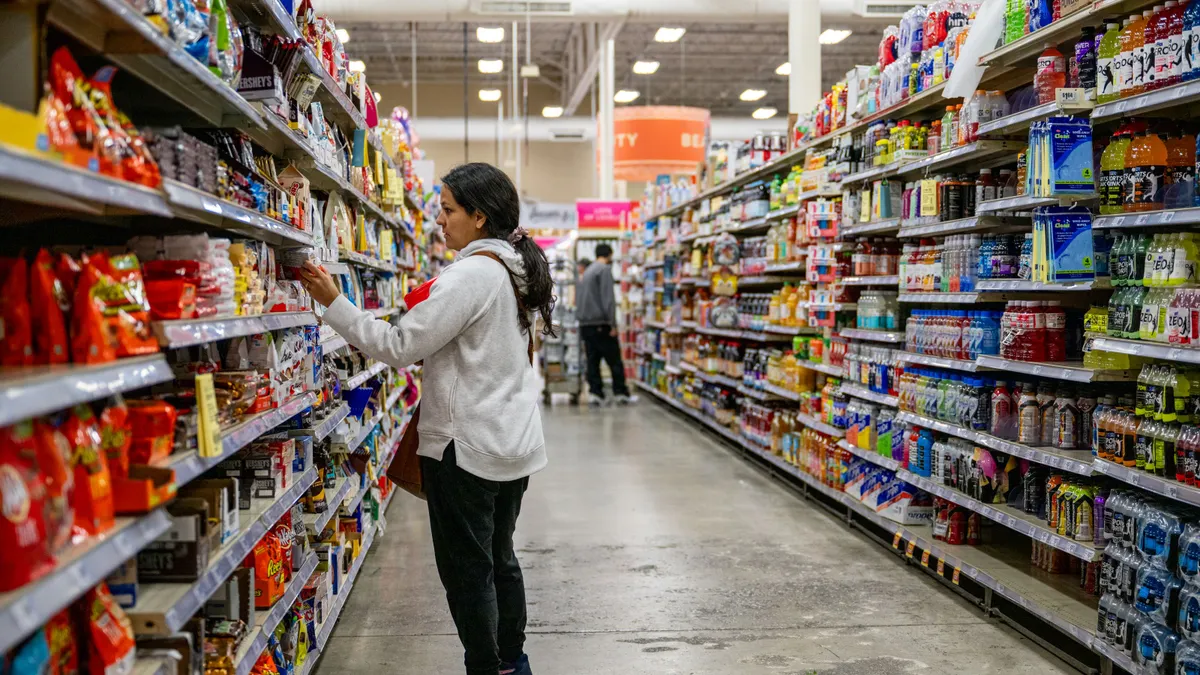
Higher costs and slowing consumer spending are setting up a challenging 2026 for food manufacturers, leaving them with little choice but to downsize, cut prices, or rethink their approach to innovation to remain relevant.
The gloomy outlook for the new year comes after a bruising 2025 pushed many food and beverage companies to cut jobs, close manufacturing plants or sell off underperforming brands. With many of the same headwinds still in place, the industry is preparing for further contraction while remaining open to any pockets of opportunity for growth.
“It's going to be a much more difficult operating environment on all different fronts,” said Brian Choi, a managing partner and CEO of The Food Institute. “It's hard to see an area in food and beverage that really has a long runway. It’s not going to be easy.”
Circana recently lowered its 2026 growth forecast for retail food and beverage sales to 2% to 4%, down from the 3% to 5% range predicted in August. The firm noted shoppers have pulled back on spending and are seeking more value, with “intense” price competition and the use of AI-supported technology helping keep consumer price increases “in check even as cost pressures persist.”
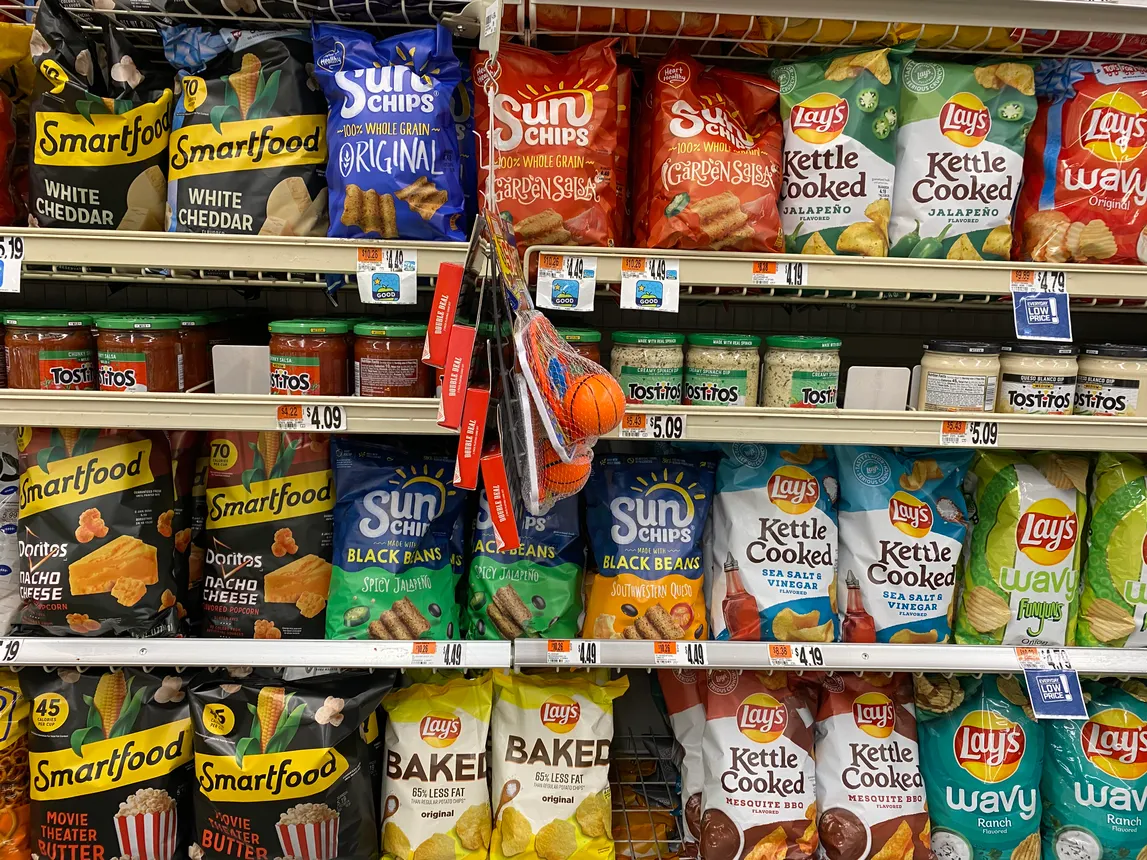
Sally Lyons Wyatt, global executive vice president and chief advisor at Circana, said in a statement that brands and retailers in the best position to succeed prioritize affordability, channel flexibility and personalized experiences.
“Our revised 2026 outlook reflects a market that is tightening and more challenging, but not without growth vectors,” Lyons Wyatt said. “While pricing pressures and cautious consumer sentiment are shaping a more measured growth trajectory, the food and beverage sector continues to demonstrate resilience and adaptability.”
Food companies themselves are also taking a cautious outlook for the year.
Nestlé, the world's largest food company, is bracing for “slowing” sales in many of the categories it operates in, with growth in those areas likely to average 1% to 2% during 2026. Marty Thompson, CEO of Nestlé USA, said while the Stouffer’s, Nescafe and Hot Pockets maker is benefiting from lower input costs for coffee, cocoa and other commodities, the broader operating environment remains difficult.
“If you said, ‘How do you feel about this over the midterm?’ I would say things are going to rebound. But in the next year or so, I don't see that,” he said.
Cutting costs — and prices?
Against a backdrop of higher costs and low margins, food and beverage companies are looking to dramatically overhaul their business structures to position themselves for the future. With consumer price-sensitivity higher than ever, many companies are choosing to make operational cuts to preserve profits.
Roughly a dozen big-name food and beverage companies cut jobs or shuttered manufacturing facilities last year, including Nestlé, General Mills, Molson Coors and Hormel Foods. PepsiCo, which announced closures last year in Orlando, Detroit and Rancho Cucamonga, California, is reportedly planning to announce further layoffs in North America.
“The lowest hanging fruit right now is cost-cutting,” Choi said. “We're going to see a lot more layoffs across the board.”
At some point, however, there's nothing left to cut, meaning companies need to find other avenues to spur growth. To bring back consumers, companies will have to enhance their value proposition to consumers, either by adjusting prices or using on-trend ingredients that justify higher costs.
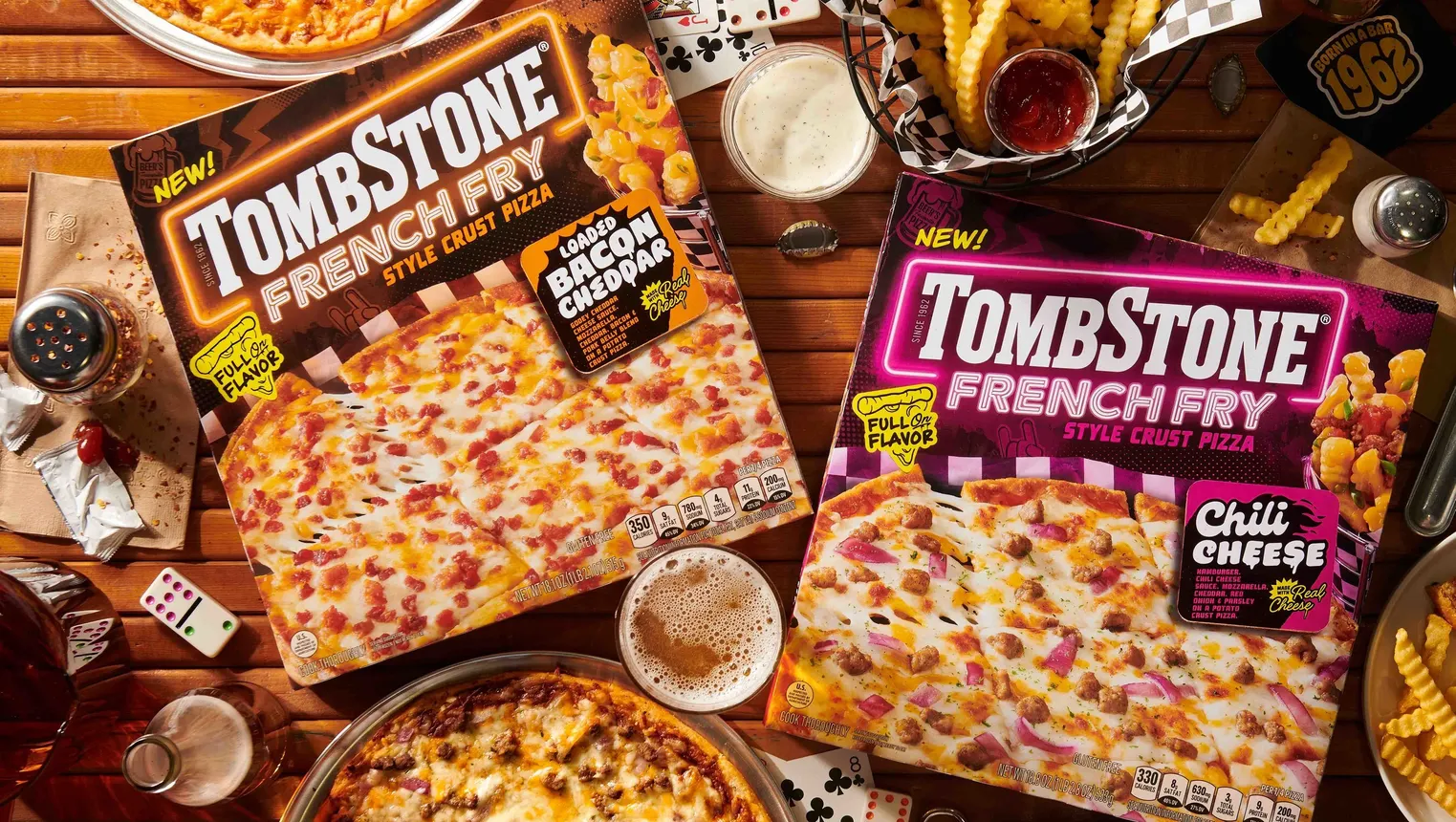
To help their offerings stand out and make them more enticing to a shopper with less money to spend, companies will prioritize innovation, turn to unique forms of marketing — such as partnering with media influencers — and roll out package sizes with prices that are more affordable for consumers.
Nestlé, for example, launched a single-count Hot Pocket last year that proved useful in attracting new, price-conscious consumers to the brand.
The world’s largest food company also “rebalanced” the price-value equation of products in its pizza business, allowing it to gain back market share. Nestlé debuted a DiGiorno Wood Fired Style Crust Pizza last summer, offering consumers who are eating out less another opportunity to have restaurant-quality meals at home.
Nestlé, which generates approximately 15% of its $114 billion in global revenue in the U.S., is aiming for fewer, bigger innovations, sharpening its brand marketing and boosting the visibility of some brands — such as Seattle’s Best and Starbucks — to attract shoppers.
“It's going to be a much more difficult operating environment on all different fronts. ... It’s not going to be easy.”

Brian Choi
Managing partner and CEO, The Food Institute
A few companies have also directly lowered prices, or announced plans to do so, including soda and snacking giant PepsiCo and General Mills.
Cheerios and Progresso soup maker General Mills told analysts in December it cut prices on about two-thirds of its grocery products in North America in a bid to attract cash-strapped consumers. The move has led to a rebound in volumes across its business, though the company noted shoppers, most notably those making $100,000 or less, remain under pressure.
PepsiCo similarly said making its products more affordable for consumers is one step that will help the CPG giant accelerate its organic revenue growth and improve operating margin expansion.
Providing value by staying on-trend
Despite a difficult operating environment, companies in the right spot with an on-trend product are in an enviable position to thrive heading into this year, regardless of the conditions.
Mike Kirban, the co-founder and executive chairman of Vita Coco, said the coconut water company “is in a nice position” entering 2026 following recent tariff relief, an easing in private label competition and improving ocean shipping rates.
The beverage is also ideally situated in the better-for-you space with a product that is low in sugar and high in nutrients like vitamins and electrolytes. The New York-based Vita Coco, which has posted a five-year compound annual growth rate of 12.5%, is projecting growth this year in the mid-to-high teens.
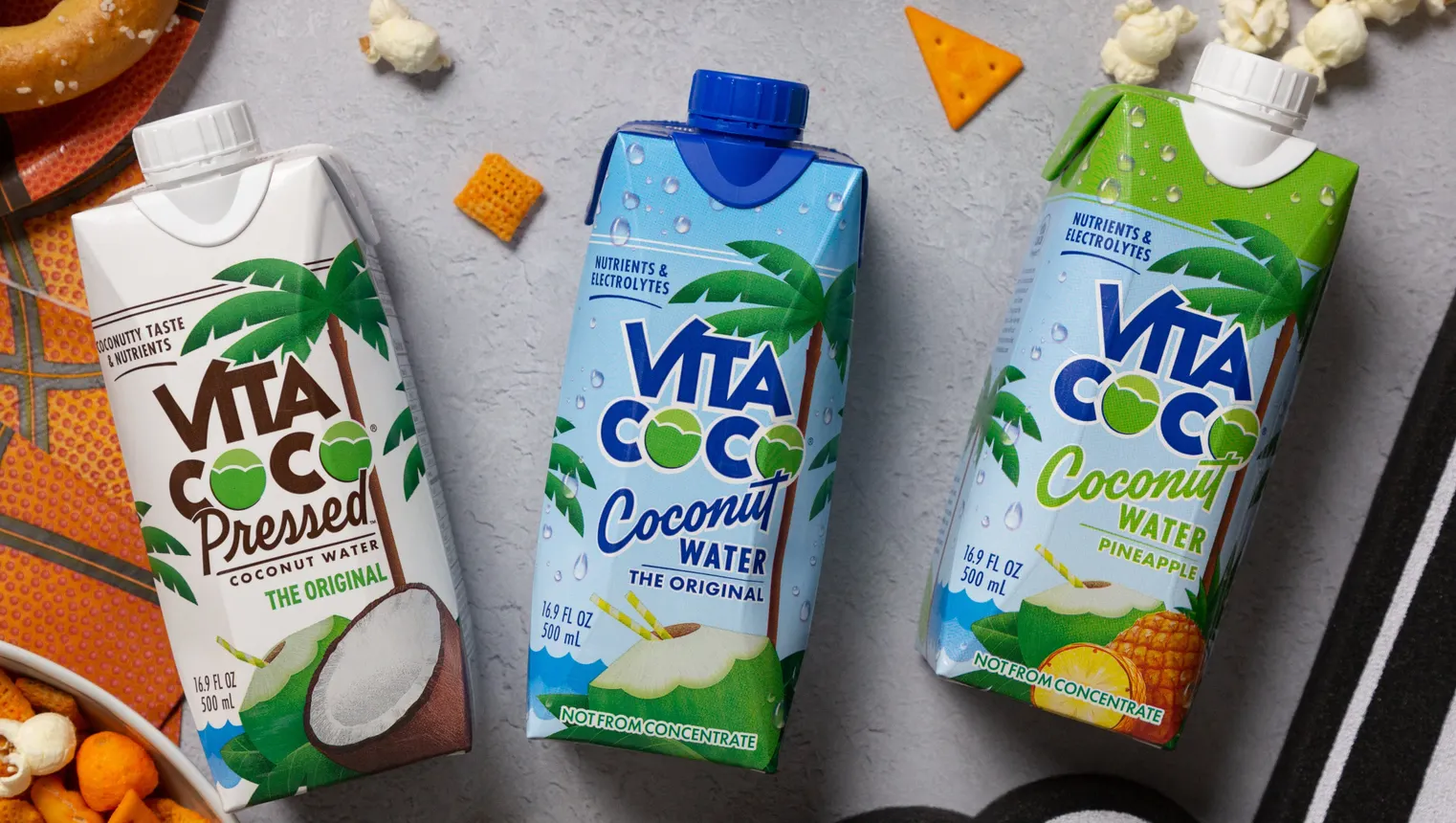
“We’re lucky because we’re on trend,” Kirban said. “We just feel really, really good about where the business is at in a very difficult environment.”
The success of formerly niche companies prioritizing better-for-you ingredients has prompted larger CPGs to join the fray. Kellanova, which was recently acquired by candy company Mars, tapped into the protein craze with Pop-Tarts Protein. It has also invested in its supply chain and R&D capabilities to ensure that these types of product innovations reach the market quickly.
Nico Amaya, Kellanova's North American president, said the Pringles and Cheez-It manufacturer is doubling down on making sure it provides “solutions ... for what the consumers really need in this type of environment.” This includes making sure they not only have products that resonate with consumers, but that they are accessible, affordable and the proper size for what the shopper needs.
Kellanova is also working to ensure its brands are showing up where their biggest fans are spectating and snacking. These include college bowl sponsorships, becoming the official snack of U.S. Soccer and partnering with women’s basketball teams.
Amaya said the snacks giant is also looking for ways to cut spending and ensure it’s operating as efficiently as possible to minimize the chance that higher expenses get passed on to the consumer.
“That’s something we always look at to ensure that we stay competitive,” he said. “This is a competitive environment.”