The FDA lacks the resources needed to properly enact recent ingredient reforms championed by Health Secretary Robert F. Kennedy Jr., according to President Donald Trump's pick to lead the agency.
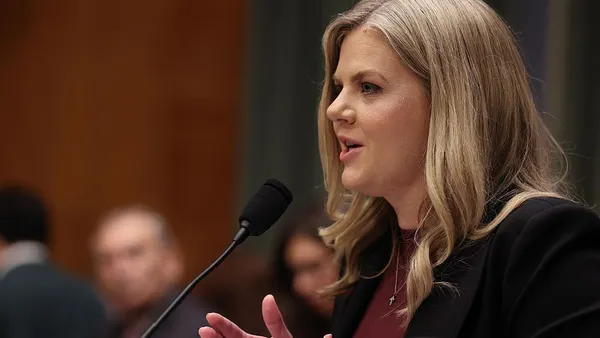
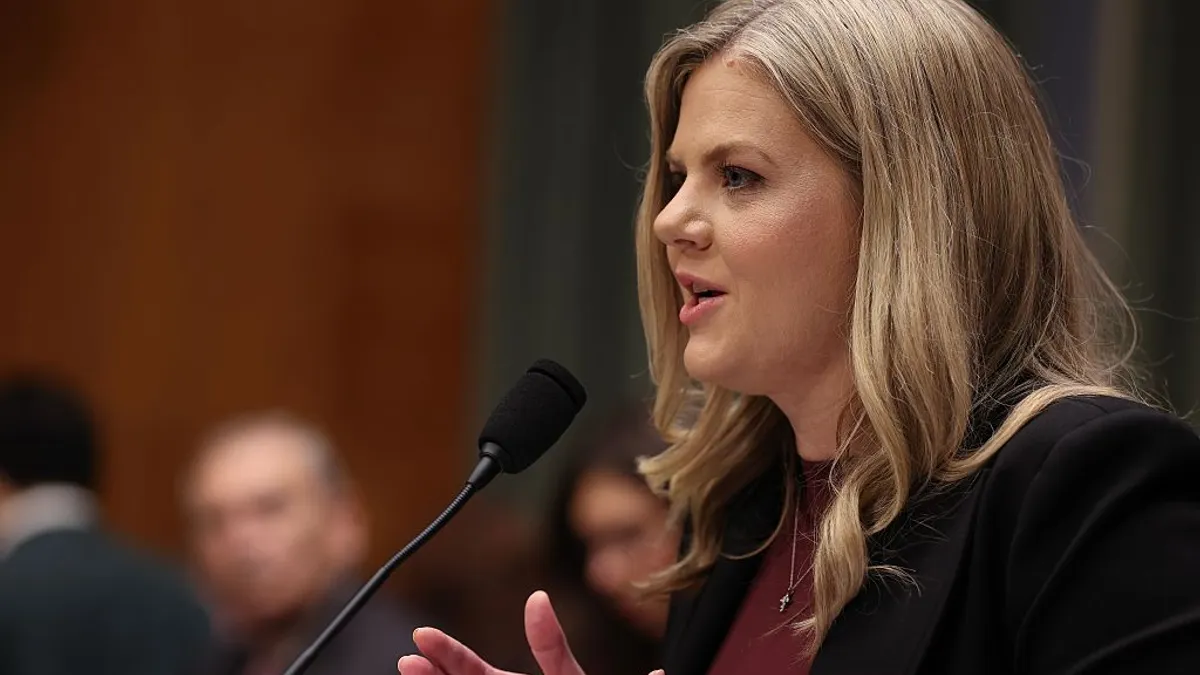
Heidi Overton, a physician and nominee for FDA commissioner, told senators last week that the agency needs more support as it looks to require companies to provide disclosures for new ingredients under the Generally Recognized as Safe approval system, or GRAS.
"The agency would need more resources in its Human Foods Program to properly be able to do all of those mandatory notifications," Overton said at a nomination hearing.
The GRAS system allows food manufacturers to "self-affirm" that an ingredient is safe for human consumption using existing scientific evidence or qualified experts. Kennedy has centered on GRAS as a main pillar of his Make America Healthy Again agenda, claiming companies have exploited a "loophole" in the ingredient approval system to introduce new additives to the food supply without regulatory review.
The FDA last month unveiled a rule that would mandate companies to provide safety data, though the agency has faced questions over whether it has enough staffing to properly respond to every submission under GRAS. The Department of Health and Human Services cut over 10,000 positions last year, including jobs in the Human Foods Program, which oversees food safety and nutrition.
The FDA currently has over 1,200 filed GRAS notices and estimates it would receive 194 submissions each year under the new rule. Close to half of the estimated annual notices would come from companies now subject to the mandatory rule, while the remainder would be voluntary submissions.
The self-affirmation pathway was introduced by the FDA in 1997 after the agency said “it could no longer devote substantial resources” to determining whether an ingredient is safe. The agency is supposed to respond to companies who provide safety data within 180 days under current rules, though it commonly took more than 72 months before the self-affirmation process was introduced.
The food industry has largely backed the move toward mandatory GRAS notifications as part of a larger push to preempt a patchwork of state ingredient restrictions. New York has proposed its own rules on GRAS, while other states have moved to ban certain ingredients or introduce warning labels on packaged foods with varying success.
Overton backed a national standard for ingredient regulation, but only once an unspecified threshold of states have taken action.
"I think it is very important that when certain thresholds are met across states, there are times that it is appropriate to consider a national standard," Overton said during the hearing. "Historically, across the FDA and EPA, there have been cases when there is kind of a threshold met that a number of states have done something on an issue that it is appropriate then for the federal regulatory body to look at having a strong national standard."