In the food industry, nostalgia sells.
Songs can stump you after a few notes, but for flavors and aromas, no Shazam is required to identify them. One whiff and you’re right back in childhood, with a stack of pancakes dripping with maple syrup or grandma’s chicken soup on the stove.
Food companies have long played into this phenomenon by tying launches to certain time periods or memories. When Pop-Tarts released its bite-sized Crunchy Poppers Frosted Brownie snacks, the brand wanted to evoke the feeling of eating cereal while watching Saturday morning cartoons.
Pop-Tarts called it “a little bit of nostalgia and a whole lot of guilty pleasure.” Online, it was referred to as “vintage breakfast in a bag” and “1990s childhood memories.”
Scents have the power to unlock vivid memories, especially around food. Once they are accessed, they often ignite very specific cravings for flavors of the past. It’s been physiologically proven that smell and taste are the senses most tied to memory, as a recent New Yorker article points out.
There are people who spend a whole chunk of their lives trying to recreate a family recipe that wasn’t written down, while others just want a bite of something familiar (often a decadent something), in a new form. It’s the reason Voodoo Donuts Maple Bacon Bars are so successful and Ben & Jerry’s Chocolate Chip Cookie Dough ice cream was a sure bet when it debuted in 1984. These treats are homespun tastes, but new concepts, with no frying or baking required.
For many nostalgic products, it’s the way these flavors unlock memories that keeps them powerful. “Nostalgic flavors today are about more than retro appeal, they’re comfort cues,” says Katie Ursinus, an analyst at Innova Market Insights, which tracks food spending trends.
An Innova survey found 85% of consumers say familiar or comforting flavors most influence their choices. Nostalgia also plays an outsized role in innovating more healthful snacks and providing consumers better-for-you indulgences.
“Retro vibe” or “healthful indulgence” are now real snack categories, with a demand for products that recall familiar flavors and culinary experiences wrapped in convenient packaging. And as consumers tighten their wallets in the face of persistent inflation, they're more likely to indulge in nostalgia.
“A nostalgic food or beverage can offer a much-needed escape," Ursinus says.
The science of nostalgia
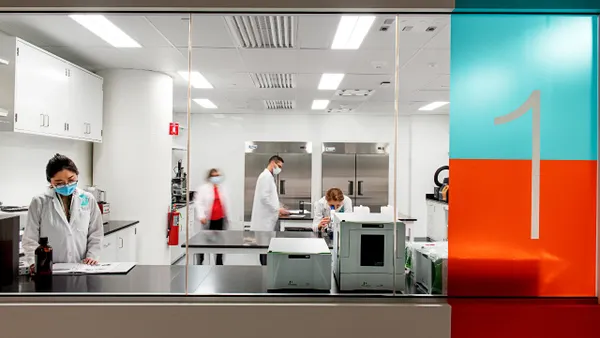
When big snack brands set out to capture nostalgic flavors in new forms, they need food science to make them taste just like we remember.
“Food companies use science to recreate sensory anchors while honoring the individuality of memory and cultural context,” says Kantha Shelke, a senior lecturer at Johns Hopkins and food scientist who is called in by food companies to help bridge the gap between laboratory precision and commercial viability.
There’s a difference between what the flavor industry does and how food companies use them. “Flavor industries use actual foods as reference standards, essentially ‘matching’ the target flavor profile [bubblegum, birthday cake, peanut butter and jelly, etc.] by analyzing the chemical compounds that create those characteristic taste and aroma notes.”
Shelke says food companies then use the different combinations of flavors they come up with to recreate those characteristics. “One company might use a specific blend of vanilla, butter, and cake-like compounds to achieve a ‘birthday cake’ flavor, while another company might use an entirely different combination of approved flavoring substances to provide a similar sensory endpoint.”
Sometimes the analysis is closely-guarded, highly sought-out proprietary information, like KFC’s famous “seven herbs and spices”. Everyone lost their minds when Coke briefly changed their core product to New Coke in 1985, worried they’d never get the classic taste back in their lives.
“Comfort has become a powerful emotional driver, and food plays a central role in delivering that. A single bite that transports someone back to a cherished memory or simpler time can offer a profound sense of relief and joy,” says Sebastian Bonfanti, global business unit leader of seasonings at IFF (International Flavors & Fragrances), which creates flavor compounds for various food companies.
“Nostalgic snacks are not just popular, they’re essential,” he adds. “Consumers crave products that evoke warmth and familiarity, and brands that can deliver those experiences while meeting modern expectations will continue to thrive.”
By “modern expectations,” Bonfanti means giving classic treats a makeover — keeping the craveable nostalgic flavors while hitting today’s wellness marks, like lower sugar, sodium, or fat, or making them plant-based. IFF’s “modulation solutions,” he says, help brands craft products that “still taste balanced and enjoyable, preserving flavors that are entwined with memories and emotions while making every bite part of the experience.”
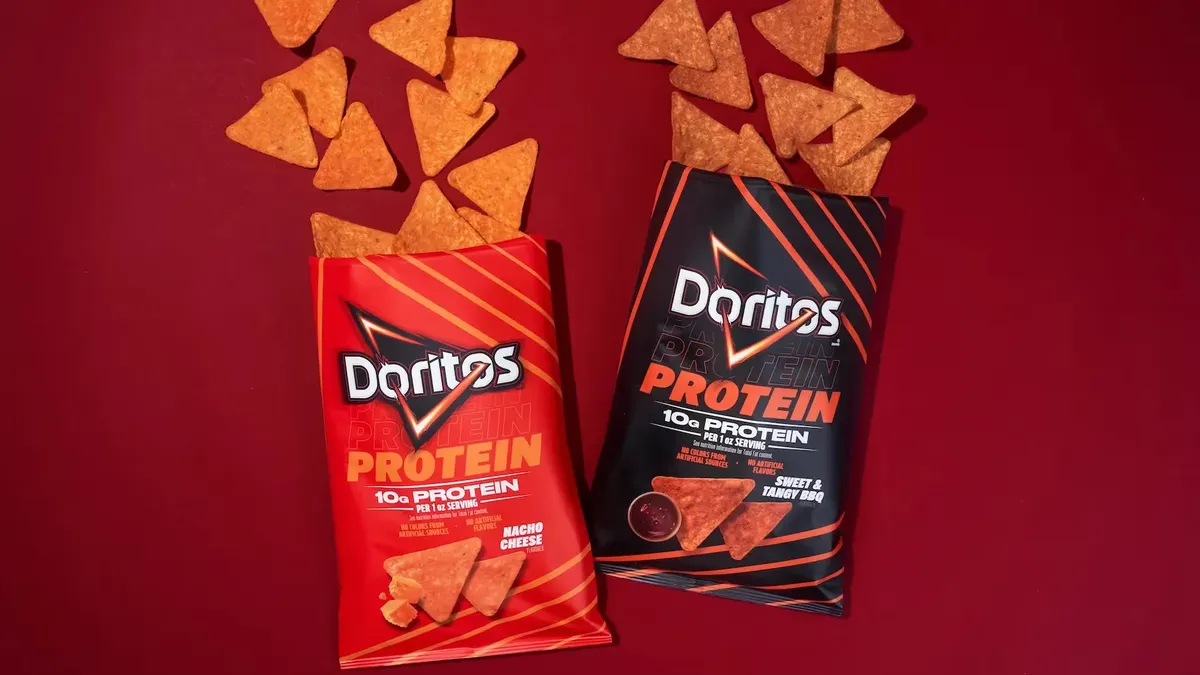
You can sprinkle a nostalgic flavor on food, but if the bite is off — lacking crunch, too airy or too dense, etc. — then it's not a successful full fat, sugar, salt, etc. substitute. For example, the Only Bean, which makes crunchy roasted edamame snacks, has been able to use its ranch flavor as an obvious nostalgic throwback to classic Doritos snack chips.
Bonfanti reveals that today’s better-for-you treats are often made with proteins (such as brown rice, chickpea, chia, flax or edamame) and whole grain fibers to replace the “bad” elements, hence the reason so many of these snacks are in the protein powder, bar, or crisp categories.
If we’re following our palates, it’s no wonder so many of us are wide awake (that’s me espresso, as pop star Sabrina Carpenter puts it), because according to Innova, coffee is today’s top nostalgic flavor, followed by chocolate and caramel. But savory is catching up.
“Favorites like mac & cheese, grilled cheese, pizza, and roasted chicken are being reimagined in snacks, frozen meals, and plant-based innovations, tapping into childhood staples and family meals,” says Urnisust at Innova.
She points out that plant-based brands are leaning into smoky and cheesy flavors traditionally tied to animal proteins. Regional cuisines are also driving the snack market, with flavors like mochi and très leches entering the mainstream.
Can’t decide? Salty-sweet is officially a thing. Take products like Fairfield Farm Honey Roasted Chestnut & Sage crisps, Oreo Chocolate Covered Pretzel sandwich cookies, and even Trü Frü Chocolate Peanut Butter Banana snacks (“which instantly brings you back to the best parts of summer — from days spent at camp to nights at the world’s fair” according to the brand).
How AI will help define the future of flavor
Even though robots can’t taste — yet — modern tech like neurogastronomy (the study of how the brain perceives food and flavor) and AI may have a huge impact on how these nostalgic flavors are developed.
Shelke explains the difference like this: “Neurogastronomy, still in its early stages, can offer strategic advantages by revealing how these factors influence consumer experiences and guide the optimization of taste profiles, presentation, and aesthetics.”
AI maps how brands can predict what tastes will hit just right, Shelke says, guiding the humans toward bringing those beloved memories rushing back. Companies are now using AI to decode and recreate complex flavors that hit all those emotional notes.
Shelke mentions that DSM-Firmenich made the first AI-generated flavor using E-creation 3.0 with a natural beef note used for plant-based meats. Other companies on their heels include Givaudan with its ATOM (Advanced Tools For Modelling) system and NotCo's Giuseppe Al.
But just like obvious extra limbs in a robot-generated photo, humans will notice if something tastes off from what they remember.
“While health-conscious adaptations are welcomed, they must still deliver the same satisfying taste that consumers associate with their childhood favorites," says Bonfanti. "There’s no room for compromise, nostalgia demands authenticity, and that starts with flavor.”