Jon Shapiro is Chief Creative Officer of Brand Experience at WovenWorks, a brand and packaging strategy firm. Opinions are the author's own.
The U.S. food industry is approaching a regulatory shift that will do more than change labels.
As state and federal lawmakers weigh clearer nutrition disclosures and ingredient transparency, the regulatory push could alter how products are evaluated at the point of purchase. Information that was once easy to ignore will become more prominent, more standardized, and easier to compare across brands.
That shift has implications that extend well beyond compliance. It is likely to accelerate a deeper transition already underway: The move from traditional packaged goods toward function-oriented food, where products are expected to deliver a clear and specific benefit.
For decades, food branding has been built largely on taste, emotion, and familiarity, often operating at a distance from nutritional reality. That gap is becoming harder to maintain. As nutrition becomes more visible, consumers are increasingly forced to reconcile what a product promises with what it contains. In that environment, the question at the shelf is changing from “Do I want this?” to “What will this do for me?
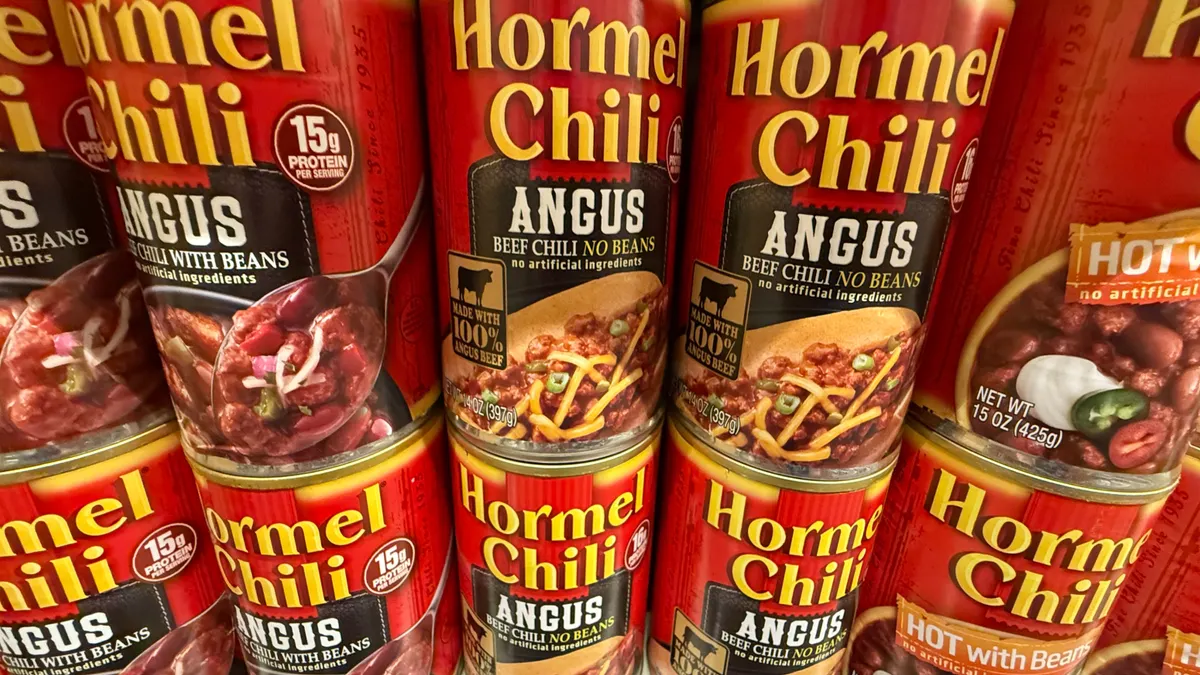
This is causing functional foods to quickly gain strategic importance. Products positioned around outcomes such as satiety, energy, protein intake, or digestive health are inherently better suited to a more transparent environment. Their value is easier to communicate and easier to substantiate when the underlying information is clear.
This points to a broader shift in what brand leadership looks like. It is less about building emotional affinity alone and more about establishing a clear, credible role in consumers’ routines. Taste and experience still matter, but the hierarchy is changing. Function is becoming a primary organizing idea rather than a supporting claim.
Messaging matters
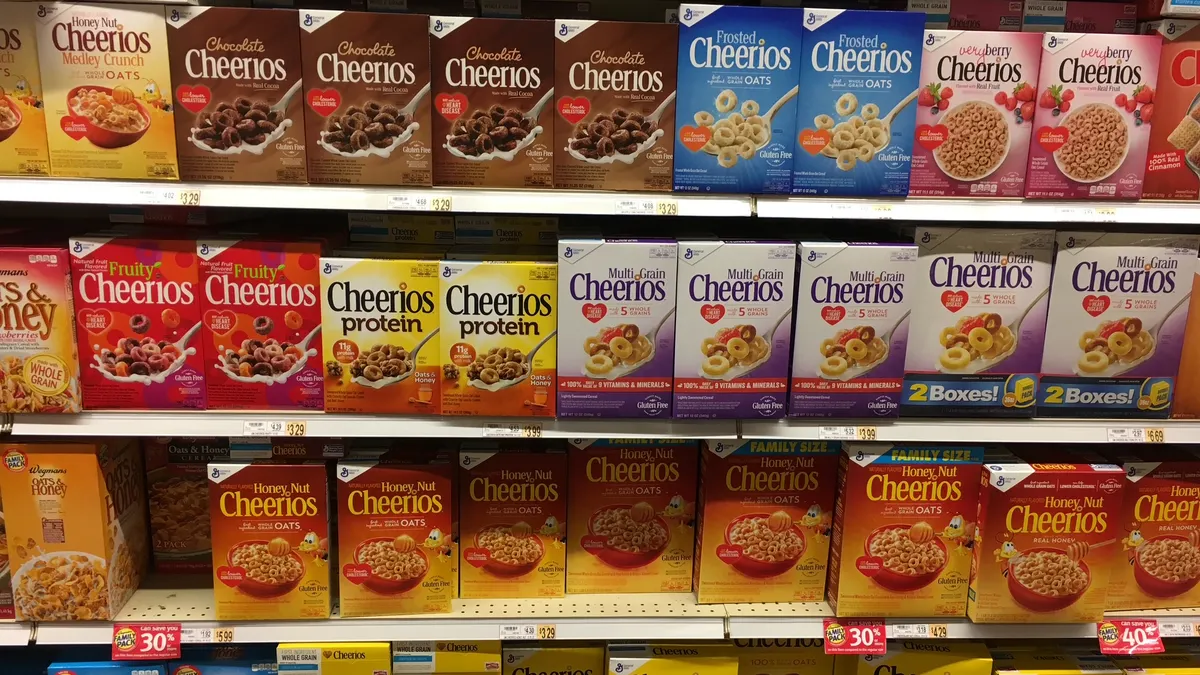
Products built primarily around flavor extensions or format changes may struggle to stand out in a more transparent environment. In contrast, products developed around specific need states, such as protein, gut health, or sustained energy, are more likely to create durable differentiation.
High-protein yogurt offers a useful example. Greek yogurt has evolved from a niche offering to a dominant segment in the dairy aisle, driven in large part by its functional benefit — higher protein content associated with satiety and sustained energy. That benefit is both intuitive and verifiable on a nutrition label. As labeling becomes more prominent and standardized, that clarity becomes even more valuable. The product does not rely on implied healthfulness; it makes a specific, measurable claim that aligns with consumer priorities.
By contrast, brands that rely on loosely defined “better-for-you” positioning or on indulgence without a counterbalancing benefit may find it harder to maintain the same level of appeal. As comparability increases, ambiguity becomes a disadvantage.
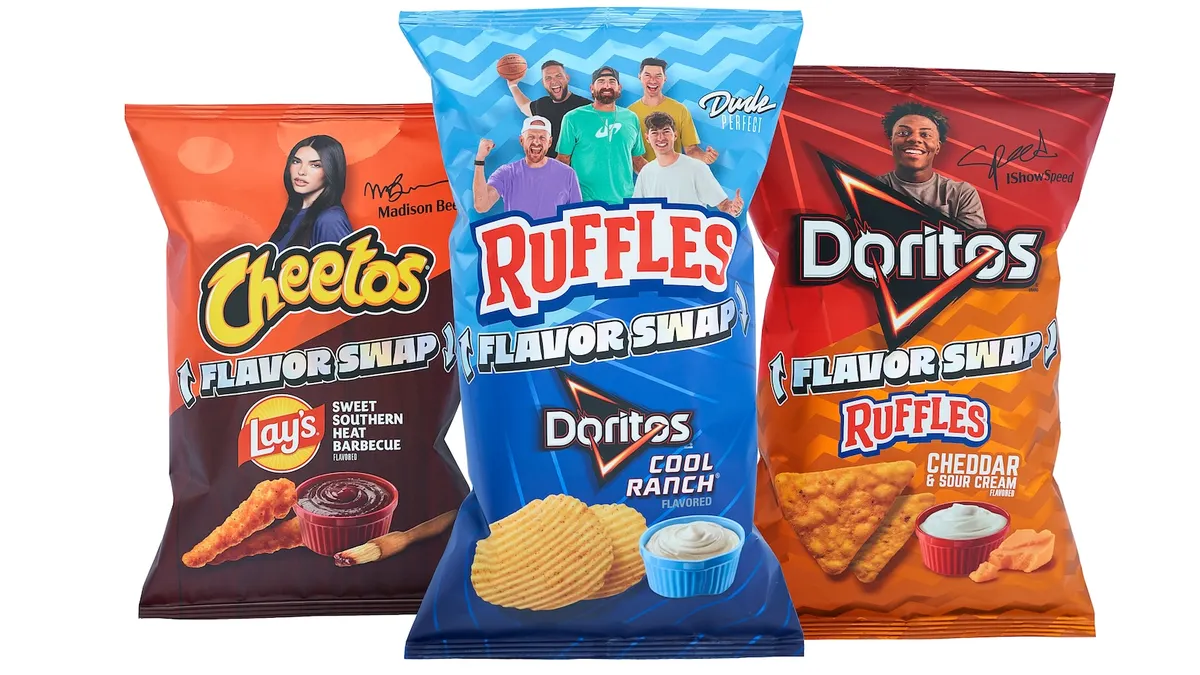
The pressure to clearly explain functional claims is especially evident in categories like snacks, where brands typically position themselves as indulgent. As nutritional information becomes harder to ignore, brands will need to reconcile sensory appeal with a more explicit value exchange. The challenge is not simply to appear healthier, but to define a clearer purpose that can coexist with taste.
There is precedent for this kind of shift. In markets such as Europe and Mexico, regulatory changes forced brands to rethink how they communicate when certain marketing cues were restricted. In those cases, brands that could anchor themselves in a more concrete product benefit were better positioned to adapt. The U.S. market may be moving in a similar direction, with transparency acting as a catalyst.
At the same time, increased visibility into nutrition is likely to raise expectations. As consumers become more accustomed to comparing products on measurable attributes, implied benefits may carry less weight. This will continue to favor products with clearly defined functional roles, while making it more difficult for vague positioning to hold value.
The competitive impact will not be uniform. Emerging brands built around a focused functional proposition may find it easier to align product, messaging, and formulation from the outset. Established brands, particularly those with broader or legacy positioning, may face more complex decisions about where and how to evolve. In some cases, that may require reformulation; in others, a reassessment of which parts of the portfolio are most strategically relevant.
Ultimately, the significance of potential regulations is not just what changes on the package, but how easily consumers can connect that information to a product’s purpose. As that connection becomes clearer, the basis of competition shifts with it.
Brand leadership in this environment is less about visibility alone and more about coherence between what a product claims, what it contains, and what consumers expect it to deliver. As transparency increases, that coherence becomes easier to judge and harder to approximate.
In a more transparent market, products that can clearly answer the question “What does this do for me?” will have an advantage. Functional foods are one expression of that shift, but the broader impact is on how all food brands define and communicate their role.
The rules are changing. More importantly, so is how value is understood.