No longer providing a one-off jolt to tired college students or gamers, energy drinks have entered the mainstream and are now an integral part of consumers' daily routines. For Celsius, that's providing a major boost to its fast-growing business.
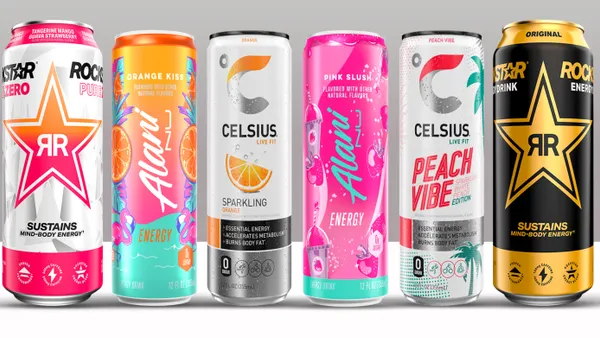
CEO John Fieldly said the evolution of the energy drink space is rapidly opening new opportunities for the 22-year-old company, which owns Alani Nu, Rockstar and its namesake Celsius. More consumers are turning to energy drinks to fuel their day, using it as a replacement for coffee, alcohol or sports drinks.
Celsius estimates that 32% of people are drinking energy beverages more often because they’re consuming them across additional occasions. Half of the growth in the category is coming from increased frequency among existing consumers.
“There are moments in energy that simply didn't play before, and they're playing now in a big way,” Fieldly told analysts at the Consumer Analyst Group of New York conference in Florida last month. “Put it all together, and the takeaway is clear: Energy is no longer just a boost, it's becoming an everyday choice.”
Broadening usage occasions have helped Celsius rack up record full-year revenue of $2.5 billion in 2025 — up from $75 million just seven years ago.
Consumers are embracing energy drinks for a variety of occasions, including social ones. Fieldly told the crowd at CAGNY that a third of consumers drink Celsius socially, while 37% are choosing it as their beverage of choice at a meal. More people are also turning to it as an alcohol replacement. At the CAGNY conference, the beverage company offered Celsius mocktails and dirty Alani Nu drinks for attendees to try.
In an interview with Food Dive, Fieldly also noted the growing use of GLP-1 medications by consumers to lose weight is providing a “tailwind” for the company. GLP-1s can cause fatigue, and consumers on these medications are using Celsius or Alani Nu for energy or because they are seeking out zero-sugar functional beverages.
As Alanai and Celsius bring in new customers to the energy drink sector, the company is gaining shelf space at traditional retailers and convenience stores. Celsius’ products are now carried in more than 250,000 retail locations.
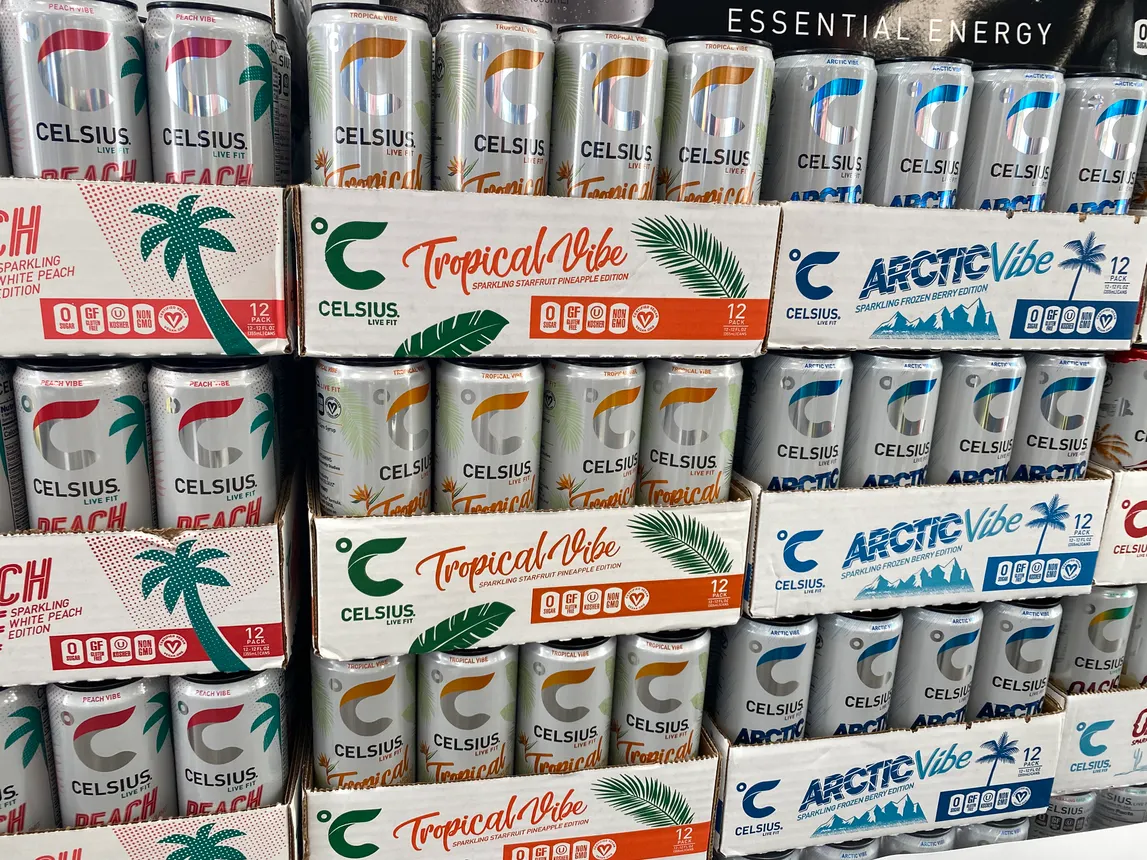
Celsius is expected to increase shelf space for its namesake brand by 17% and more than double Alani Nu’s as retailers refresh their product mix this spring, the company said. Women and Hispanic consumers are particularly fast-growing demographics for energy drinks, according to Celsius.
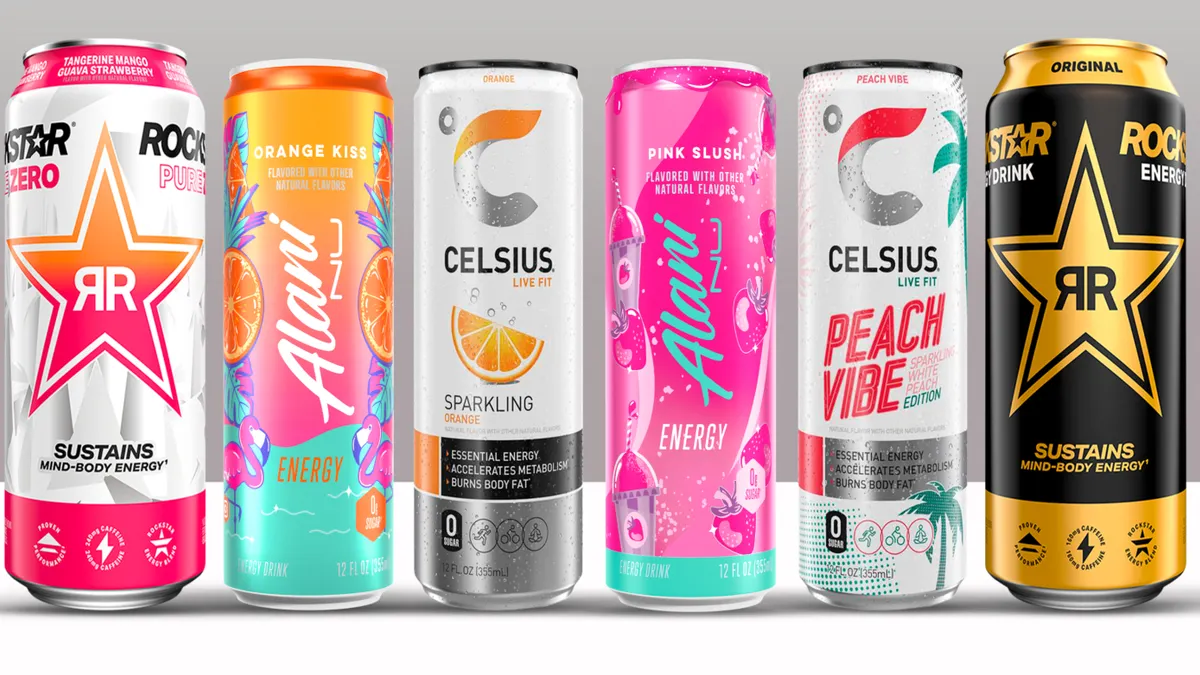
As the energy drink market broadens to encompass new consumers, Celsius has also expanded its offerings. After being known for its namesake drink for more than two decades, Celsius spent $1.8 billion to purchase rival Alani Nu in early 2025. A few months later, it acquired energy drink Rockstar from beverage giant PepsiCo.
The company now possesses a formidable portfolio of energy drinks that caters to different demographics and occasions. Celsius is closely associated with a broader image of health and wellness, while Alani Nu targets women through its fun flavors. Rockstar is popular with young male adults who consume the drink while participating in music, extreme sports and other activities.
Together, the three offerings give its parent company nearly a fifth of the $23 billion energy drink space, better positioning it to compete with market leaders Monster and Red Bull.
Analysts are increasingly optimistic about Celsius’ future.
Momentum with the Celsius and Alani Nu brands, as well as the resolving of integration tied to its recent acquisitions, “should allow [the company] to grow at a pace well above beverage industry norms,” William Blair analyst Jon Anderson said in a research note in late February.
Fieldly said part of the reason for the company's success is that it has long participated in many key areas that are now on-trend with today’s consumer, including sugar-free, functionality and fitness.
“Our portfolio is at the forefront of that. We're not chasing it,” he said. “A lot of these portfolios are chasing where the trends are going. We've been really leading with modern energy, capitalizing on these movements.”
As the company has grown, so have its executive ranks. Celsius bulked up its C-suite with executive hires to help manage and grow its portfolio. Among its most prominent additions was 30-year PepsiCo veteran Eric Hanson, who was appointed president and chief operating officer last March.
“We’re a totally different company” from a year ago, Fieldly said. “We want to be a leader in the energy category, and I think we're on our way there.”
Fieldly told Food Dive that while Celsius is still digesting its recent transactions, it remains on the lookout for further changes in the energy drink space. As the category continues to go “mainstream,” Fieldly said Celsius is watching whether the company can meet consumers' expanding needs with existing brands or if it will have to acquire or create one that can.
“I don't think we're ever going to be happy or complacent,” Fieldly said. “We're going to maximize it. We want to see how far these brands can go.”