As food e-commerce grows, more food manufacturers are bringing their products directly to the consumer through their websites.
Sales directly from digital brand platforms are becoming a bigger part of the business for more food giants, with the direct-to-consumer channel generating billions of dollars in revenue annually.
Even if DTC business is unlikely to ever top the revenue generated from traditional store shelves, the channel provides unique opportunities to connect with consumers, test new innovations and keep up with digital-first upstarts who are now entering more grocery stores after commanding cult followings online.
“[Food companies] potentially see that element or that piece of the puzzle becoming more important,” according to Neil Saunders, managing director with GlobalData. “There’s a desire not to get left behind. It’s almost like we need to put a stake in the ground for this because if it does become bigger, we don’t want to be caught [unprepared.]”
On Hershey's website, consumers can customize snack boxes or find online-exclusive candies, such as chocolate-covered almonds. Beyond Meat used its platform Beyond Test Kitchen to test launch a pivot into protein drinks, which it has since expanded.
PepsiCo doubled down on the channel during COVID-19 when it launched Pantryshop.com and Snacks.com, where shoppers could order an assortment of the company’s products, including Gatorade, Quaker Oats, Lay’s and Cheetos.
With mounting competition in the market, DTC gives companies more control over multiple facets of their online business, especially with inflation putting pressure on volumes and margins, according to industry experts.
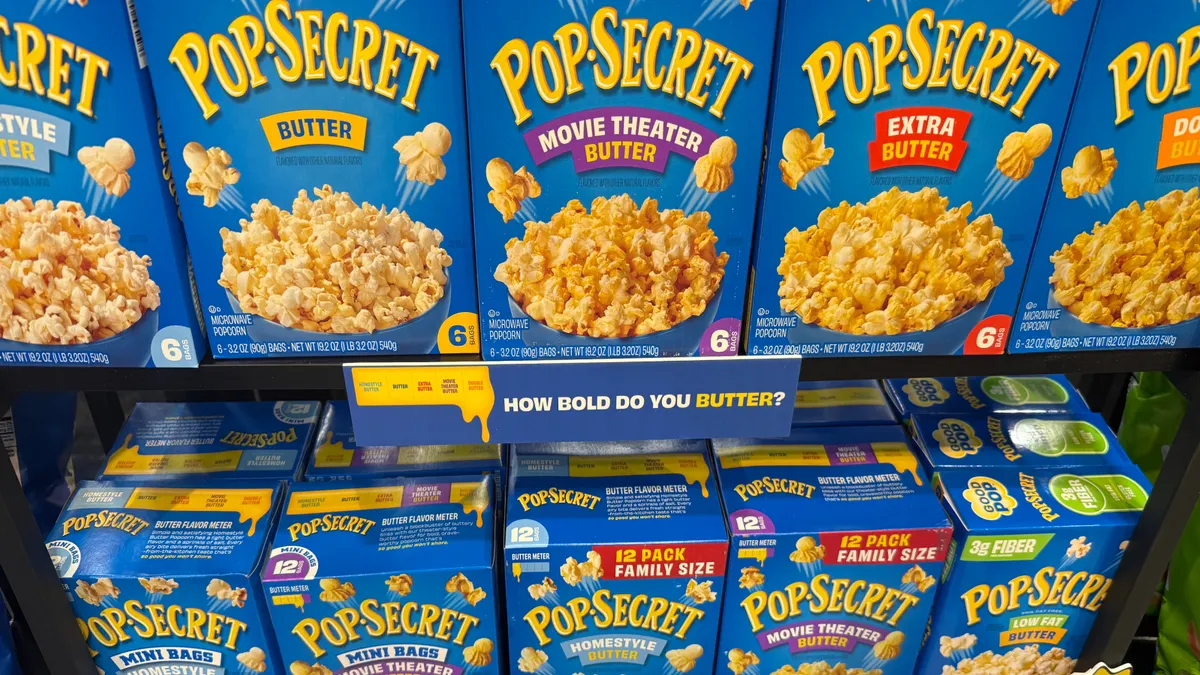
It also allows businesses to offer more choice and potentially experiment with different innovations that they couldn’t do as easily on a traditional shelf where space is far more limited. The data they collect from these purchases allows them to better understand shoppers, providing companies a platform to improve their customer service, generate ideas and collect immediate feedback.
It’s hard to estimate growth in DTC because most food companies don't release their sales data publicly.
But figures from retail giant Amazon offer a glimpse. Direct-to-consumer food and beverage sales on Amazon totaled nearly $25 billion for the 52 weeks ended July 12, up 16.3% from $21.5 billion during the prior year, according to data provided by Spins and Stackline.
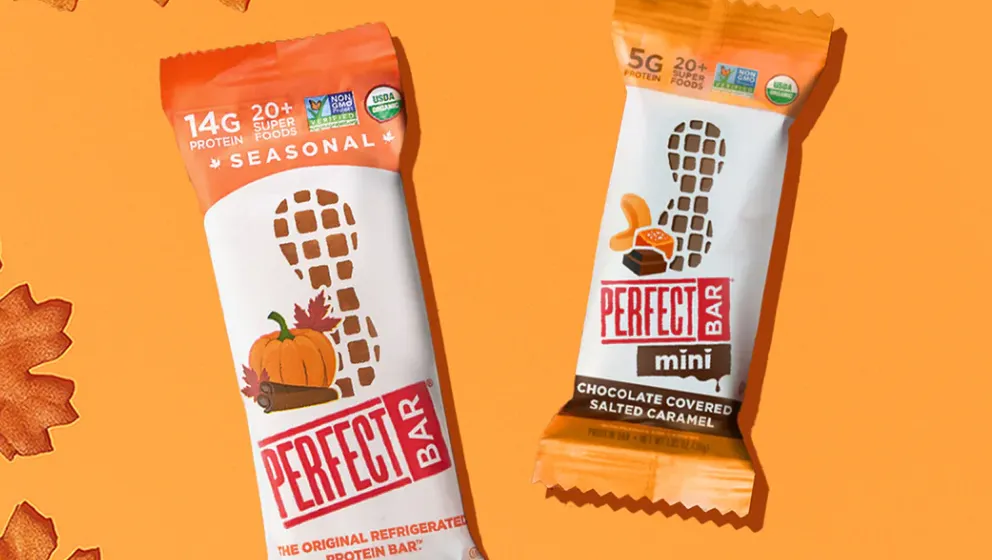
Perfect Snacks, which is owned by snacking giant Mondelēz, turns to DTC to sell early innovations and educate consumers about the 21-year-old brand, including its origin and better-for-you ingredients list, she said.
“Direct to consumers continues to be a strategic channel for us,” said Cara Liebrock, Perfect Snacks' CEO. “We’ve elevated the importance of it, and that will continue.”
The brand, which has revamped its website to make shopping easier, said the platform provides Perfect Snacks with an invaluable opportunity to connect directly with consumers and collect feedback.
“We continue to see e-commerce and brick-and-mortar as very complementary growth channels for us,” Liebrock said. “We’ve established ourselves in brick and mortar and [are] now directing a little bit more focus online.”
DTC is not without its challenges, though, which could limit its growth. Many shoppers like seeing or touching the physical packaging or product, or in some cases sampling products, which could lead to a sale that might not have occurred otherwise. Consumers also don’t want to go to several different sites to shop, instead preferring to visit as few outlets as possible.
Some companies that have built the majority of their businesses online must perform the additional calculus of whether to invest in DTC or rely on third-party platforms such as Amazon.
Laird Superfood, a maker of plant-based creamers, coffees and snacks, told analysts earlier this year that the e-commerce channel benefits from a highly loyal repeat customer base. E-commerce sales contributed about $25 million, or half of the net sales for the company in 2025. Still, a top executive said its own DTC efforts are likely to remain a small part of its business, compared to bigger sites like Amazon.
“While we appreciate the core set of consumers that come to our DTC site to explore and purchase our Laird Superfood products, we harbor no illusion that Amazon will not continue to win online volume in the future,” Anya Hamill, Laird’s chief financial officer, told analysts in March. “For this reason, we will continue to leverage Amazon as the growth engine for our e-commerce sales.”
Nico Amaya, previously Kellanova's North America president, said in December before he left that while the DTC channel isn’t a big revenue generator, “it has other benefits that outweigh the size and the investment required.” The channel enabled Kellanova, which has since been acquired by Mars, to have a dialogue with the consumer about their needs and what the company could offer.
“It gives us an opportunity, as we launch new items, to be able to get that first trial [with] consumers we know love our brands, that really want to engage and have immediate feedback,” he said.