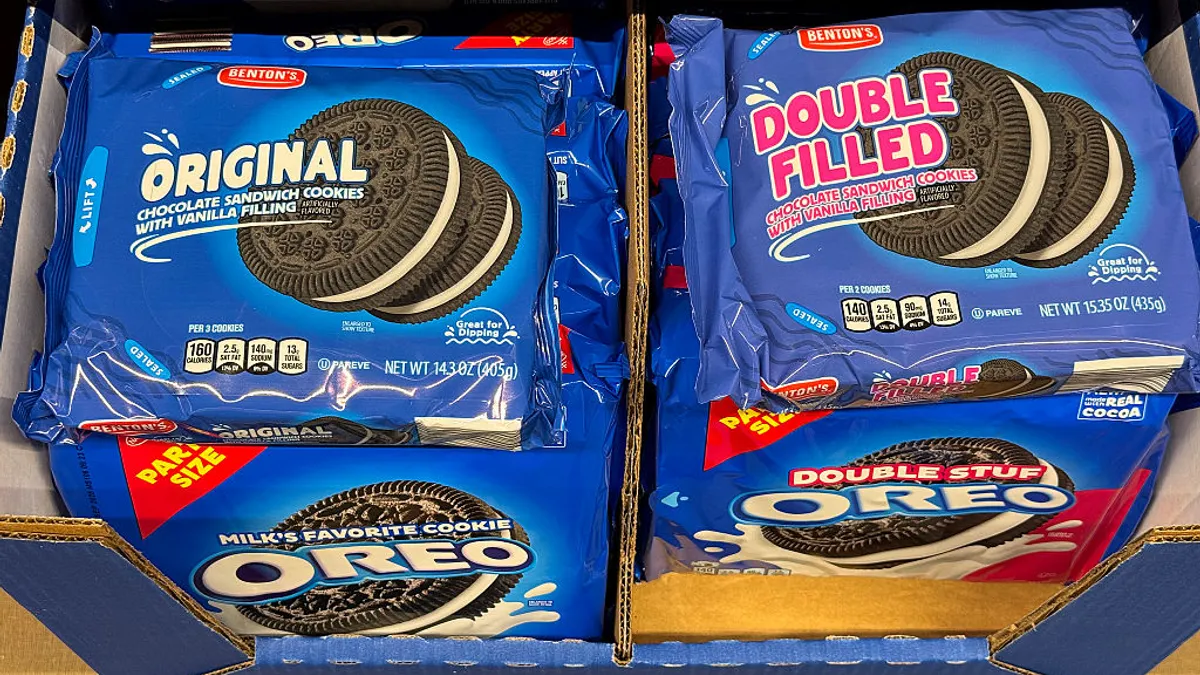

Ultraprocessed foods (UPFs) are at the center of today’s health conversation and so are the companies that make them. Today, more than half of Americans’ daily calories come from UPFs. As public concern grows and science evolves, the conversation must shift from whether they matter, to how they can be improved. Food companies have an opportunity to lead with transparency, reformulation and education. The question isn’t just what’s in your products; it’s what your brand stands for.
What Science Really Says
How Nutrition Composition Drives Health Risks
A growing body of evidence links high consumption of UPFs, especially those high in saturated fat, added sugars and sodium, to increased risk of cardiovascular disease, Type 2 diabetes, obesity and premature mortality.
This aligns with the American Heart Association’s recent scientific advisory, which emphasizes that the most concerning UPFs are those with poor nutrient profiles and lack nutritious compounds such as vitamins, minerals or other phytochemicals. While research continues into other aspects of processing, reducing excess fat, sugar and sodium remains the clearest path forward.
Key Insight: Nutrient-dense reformulation is essential for improving health outcomes.
Beyond the Buzzword: What Counts as Ultraprocessed?
Why Definitions Matter for Innovation and Consumer Trust
The NOVA classification system defines UPFs as foods with additives or ingredients not commonly used in home cooking. This can include very different products, such as sugary sodas and fortified whole-grain breads, within the same category.
The American Heart Association notes that not all UPFs are unhealthy. Some UPFs, such as plain low-fat yogurt and nut butters, can contribute valuable nutrients to a balanced diet.
Key Insight: Processing level alone does not determine healthfulness. Context and composition matter.
Consumer Confusion Is a Barrier
Help Shoppers Make Informed, Confident Choices
Consumers increasingly associate UPFs with poor health but often struggle to distinguish between foods to limit, such as sugary drinks and refined snacks and those that can support wellness.
When all UPFs are viewed as equally harmful, nutrient-rich products that rely on processing for safety or fortification may be unfairly tainted.
Key Insight: Clear communication helps consumers choose wisely and builds brand credibility.
Three Ways Food Brands Can Lead
From Reformulation to Education, Your Role Is Crucial
- Champion Transparency
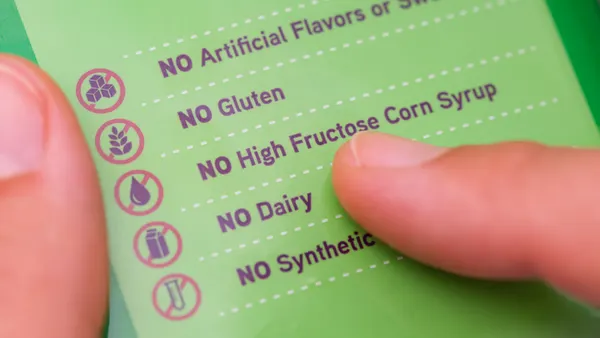
Use clear labeling and ingredient lists. Explain processing methods in plain language to build trust. - Elevate Nutrition Quality
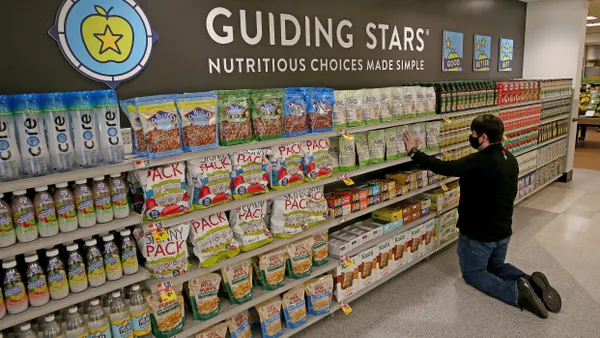
Reformulate products to align with dietary guidance by lowering added sugars, sodium and unhealthy fats while boosting beneficial nutrients. - Invest in Consumer Education
Support public understanding of food processing and nutrition. Partner with credible science-based initiatives to amplify impact.
Key Insight: Leadership in transparency and education earns long-term consumer loyalty.
The Path Forward
Not All UPFs Are Equal and Your Brand Can Help Prove It
Consumers are asking harder questions and watching food brands closely. Brands that embrace nutrition-forward reformulation, clear labeling and science-based education will help shape the future of food.
About the American Heart Association
The American Heart Association is a relentless force for a world of longer, healthier lives. Learn how the American Heart Association convenes nutrition and food science leaders across sectors to cultivate understanding of food system challenges, foster innovative solutions, and catalyze action to improve public health at heart.org.