
Health-conscious shoppers, especially women, are thirsty for beverages made with functional, better-for-you ingredients that help them feel their best. Driving this need is a major life shift. Two-thirds of women say perimenopause and menopause have a significant or extreme impact on their daily lives, and over half are willing to use vitamins and supplements that help them feel better.1
Hormone shifting is a natural part of everyday life, but the transition into perimenopause is starting earlier, lasting longer, and is increasingly influenced by environmental disruptors. When hormones become imbalanced, the needs in women’s health become elevated. These core consumers are looking for innovative ingredients that can help them rebalance and thrive as their lives evolve.
Collectively, women in their mid-20s to 60s represent 87 million shoppers and a $10B opportunity for wellness brands that listen and respond to what women want: products that boost their energy, mood, and focus, as well as support their hormonal balance.
The results—feeling better—are only part of the equation. They want science-backed products made with clean ingredients. So, how can you ensure your functional beverage is the one they choose to provide these benefits?
Identify key ingredients
Selecting the right functional ingredients starts with understanding consumer needs.
“For many women navigating perimenopause and menopause, changes in estrogen metabolism can influence energy levels, stress response, sleep consistency, and even cognitive clarity,” said Brian Zapp, the director of marketing at Applied Food Sciences.
“In social conversations about ‘conditions for women’s health,’ perimenopause is being talked about as much as weight loss,” added Kate Stevenson, the director of client strategy at Brightfield Group
To answer women’s desire for products that rebalance hormones, beverage formulators are approaching product development through three complementary lanes: balanced energy, cognition, and adaptogenic vitality, Zapp noted. The goal: to provide “whole body” support, rather than single-symptom fixes.
“Beverage formulators are using ingredients like organic guayusa, a nootropic caffeine source to provide energy without the jitters, and botanicals and functional mushrooms, including Lion’s mane for cognition and mood support,” Zapp said. “They are also using ingredients like Panax ginseng and Cordyceps that support stamina and stress resilience.”
But consumers must understand an ingredient’s purpose and feel confident it will work.
“Most people, especially with supplements, do their due diligence with research before going to the store,” Stevenson added. “They’re going on Reddit threads asking if a brand is legit or good, and sharing information, so you want to be sure your brand is responding and being active in places where they’re looking for information.”
So, how do you ensure that you effectively educate shoppers with limited space on front-of-back labels?
Communicate benefits with every sip
Messaging that conveys noteworthy plant-based ingredients and benefits makes it easier for conscious consumers to make that purchase and begin integrating it into their daily routine.
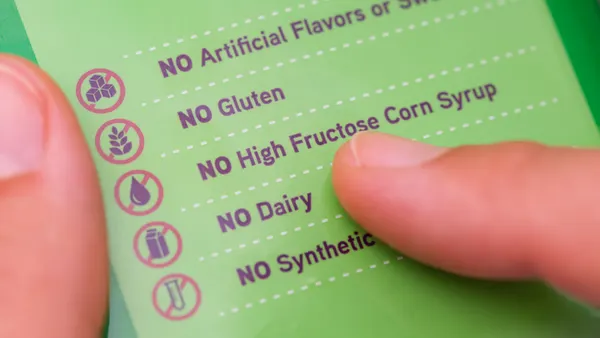
Emphasizing natural ingredients shoppers recognize, such as ashwagandha, ginseng, nootropics, and functional mushrooms, can also help your brand stand out. Zapp recommends leveraging keywords like ‘calm’, ‘clarity,’ ‘focus,’ ‘immune health’ and ‘estrogen balancing’ on the front label.
“With hormone balancing being a priority for women, D-Glucarate is an ingredient gaining traction for its ability to support hormone balance through estrogen metabolism, the body’s natural detoxification pathway that helps deactivate and clear excess estrogens and estrogen-like compounds,” Zapp explained. “Water-soluble glucarate, like CelluThrive™, can serve as a behind-the-scenes cellular detox boost that complements energy, mood, and cognition benefits in women-focused products.”
Connect with consumer preferences
Increasingly, consumers are reaching for brands that prioritize sustainability, with 42% of shoppers reporting they choose products made with sustainably sourced ingredients over those made with non-sustainably sourced ingredients.
Partnering with ingredient suppliers that prioritize meaningful sourcing adds value to your functional beverage product line.
“For close to the last decade, we’ve intentionally built a supply chain for ingredients like guayusa that is sustainably, responsibly, and ethically sourced through cooperatives and associations of indigenous smallholder farmers across Ecuador and Peru,” Zapp said.
While women prefer sustainability-sourced ingredients, they ultimately want plant-based, clinically studied ingredients to manage the natural hormonal shift associated with aging and to lessen the hormonal impact of today’s environmental factors.
Your brand has a unique opportunity to lead the next wave of wellness innovation with women-focused formulations that support this essential recipe of shopper needs: uplifting energy without the jitters, cognition and mood support, focus and emotional well-being.
“Using keywords and speaking to consumer preferences adds a level of comfort, security, and credibility,” Zapp added. “But most important, the taste has to be good for that repeat purchase, and that recommendation to their friends.”
Sources
1 Brightfield Group; Wellness CPG Survey & Social Listening Tracker Q3 2025