Cereal giant WK Kellogg is reintroducing box toys in a bid to spoon up nostalgia and reignite interest in a declining category.
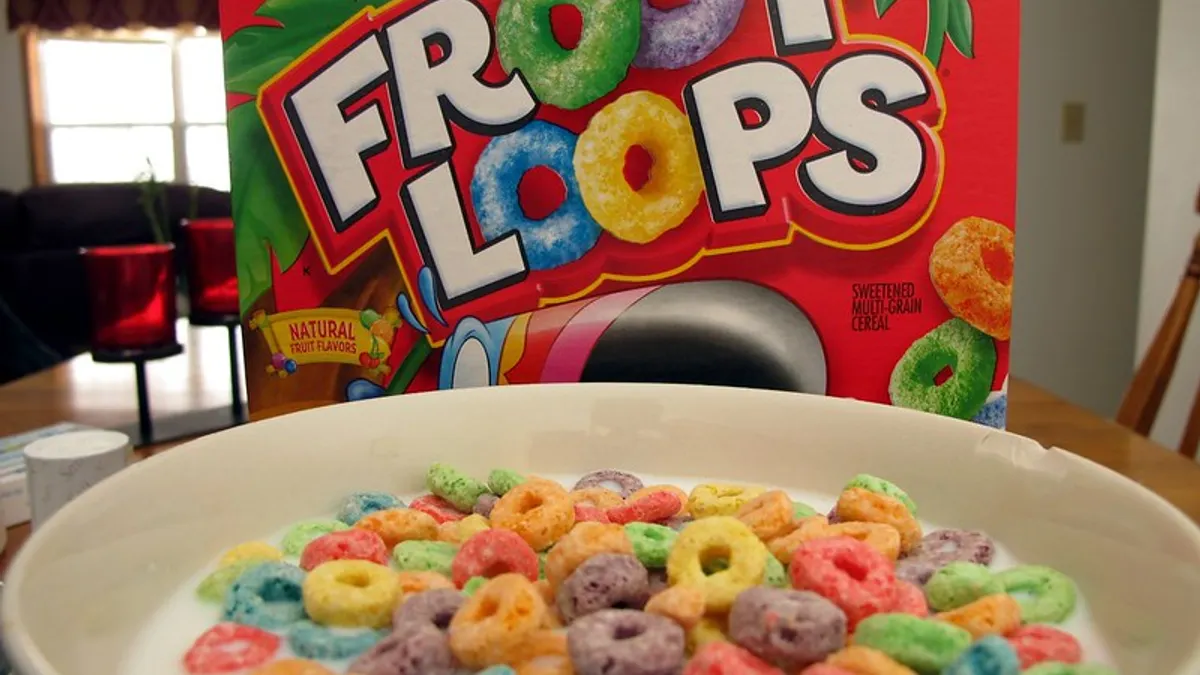
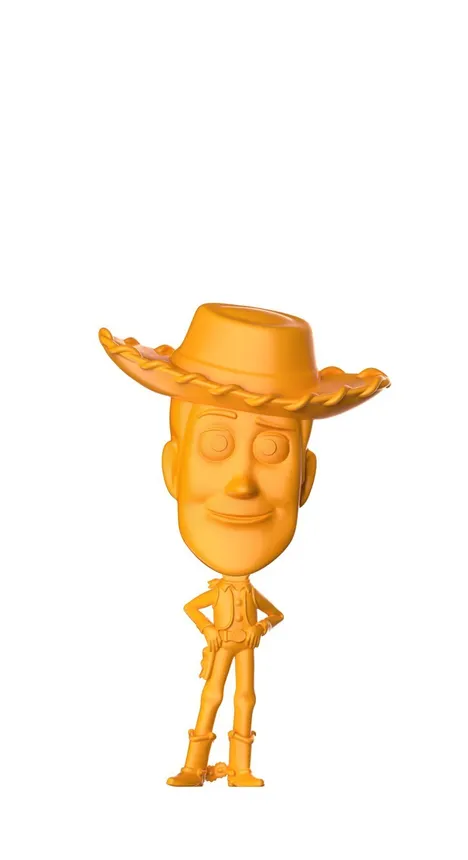
For the first time in more than a decade, the cereal giant is putting toys back inside boxes of Frosted Flakes and Froot Loops — playable spoons shaped like Woody, Buzz Lightyear and Jessie — tied to the release of "Toy Story 5."
The moves come as center store sales remain under sustained pressure. For years, consumers have gravitated toward convenient and higher-protein breakfast options like burritos and yogurt, eroding cereal's morning dominance.
Facing that decline, brands are turning to nostalgia and physical play to pull shoppers back into the cereal aisle, said Sally Lyons Wyatt, global EVP and chief advisor for consumer goods and foodservice insights at Circana.
“When you think about the cereal toys, they sit at the intersection of value, nostalgia and competition,” Lyons Wyatt said. “For brands, it's a way to create differentiation, drive talkability and make a legacy cereal feel newly relevant.”
Nostalgic parents
The strategy works because kids aren't the primary target.
Millennial and Gen X parents who grew up digging through cereal boxes for toys are the real audience, said Gregor Johnston, creative director at brand agency Bulletproof.
“It appeals to a lot of parents because it signals to them that they're giving their kids the childhood they had, or the childhood they deserve,” Johnston said.
That can help brands sell two boxes of cereal instead of one, as parents discover a wide range of new, adult-oriented cereals, including the high-protein, keto and zero-sugar offerings that now crowd the shelves.
“Kids get the excitement of discovering something unexpected inside the box, while parents recognize a tradition they grew up with themselves,” Laura Newman, vice president of brand marketing at WK Kellogg Co., said in an email.
Broader cultural forces are also amplifying the effect, Johnston said. More consumers look to nostalgia as a form of escapism and comfort during uncertain times, and cereal box toys represent a core childhood memory for many who grew up in the '90s.
“There's a return to nostalgia across a lot of brands, and it's probably because there's so much noise in the world right now,” Johnston said. “That desire for certainty and normality is what drives it.”
Digital fatigue
The toys have returned as brands pull back from digital-only marketing that isn't working like it used to.
QR codes and on-box mini-games drew heavy investment a decade ago but have lost their pull, as consumers grow tired of digital content, especially if it’s AI-generated.
“There is a push from brands towards physical, human, real, authentic experiences,” Johnston said. “It seems silly that a toy could signal that, but actually it does.”
Kellogg's chose the “Toy Story 5” tie-in for exactly that reason.
“The film celebrates the importance of physical toys and play in an increasingly digital world, which is exactly what this campaign is designed to bring to life,” Newman said.
But the strategy isn't risk-free. Stuffing toys into every box can erode consumer trust if the toys are ubiquitous or poor quality. Licensing partnerships also have to make sense on both sides.
“If every single pack has a plastic toy in it, you need to know that that toy is meaningful, has a purpose and is long lasting,” Johnston said.
Other cereal companies have leaned into physical products as a way to generate buzz. General Mills, which declined to comment for this story, is selling an $8 “protein ring” collectible alongside its Honey Nut Protein Cheerios launch.
But as cereal brands try to win back consumers and their kids, they must ensure they’re delivering value, not just novelty.
“If the toys are there all the time, and they don't make sense, that's going to have a negative effect on how people see the brand,” Johnston said.