Patricia Manos is SVP, marketing & consumer experience at Curion. Opinions are the author's own.
“Taste trumps all.” For years, that was the golden rule in the sensory world. The best tasting soda, snack, or dessert always won, in the lab and in the market. But not anymore.
Today’s consumers aren’t asking what product tastes best. Instead, they’re asking which option best aligns with their goals for the version of themselves they are trying to be in that moment. Context matters.
As wellness culture is shaping everyday choices, people are more willing to trade a little indulgence for ingredients that promise energy, immunity, or gut health. A McKinsey survey suggests that over 70% of consumers want to lead healthier lifestyles, and many of them accept flavor trade-offs for health benefits.
This isn't to say taste doesn't matter. It remains a powerful predictor of success. But what “good taste” means is being rewritten.
The future of flavor depends on how well a product delivers on the benefit it promises. A functional lemonade isn’t competing with Sprite, but rather with other beverages offering gut health or energy support.
When companies test a product’s flavor outside of its benefit frame, they’re testing the wrong thing and the wrong product. Consumers don’t expect a probiotic soda to taste like a traditional cola. They expect it to taste credible, clean, and aligned with what it promises.
Health Benefits Are Changing The Rules
In a nationwide study on functional sodas conducted by Curion, consumers revealed how the taste/health tradeoff plays out. In the functional soda category, 62% of buyers chose these beverages because they were a healthier alternative, with 55% citing low sugar, and 54% saying they wanted natural or cleaner ingredients. Shoppers even welcome "less sweet," "herbal," or "earthy" flavors as proof of health benefits, embracing taste trade-offs as part of a "health halo." When nutritional information was visible on packaging, taste preference and purchase intent increased for functional sodas, while traditional sodas dropped.
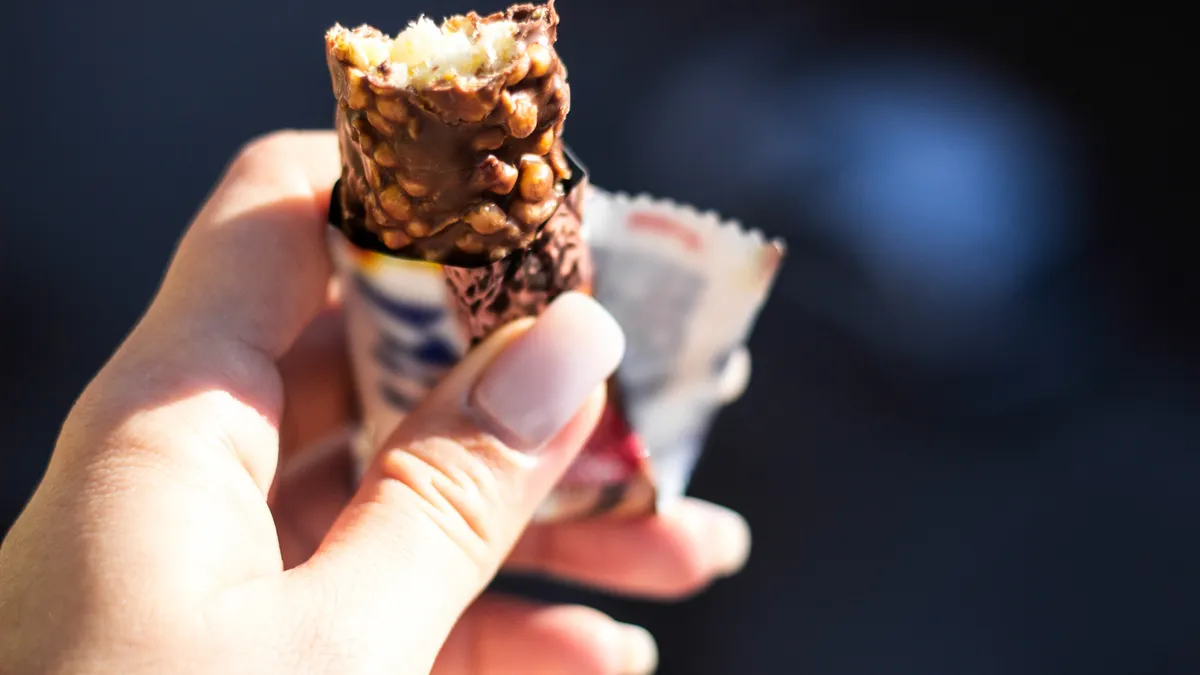
No one expects a protein bar to beat Crumbl in taste. That’s not the competition. Consumers are solving for protein intake, hunger regulation, and self-alignment with wellness goals. Those are the jobs a consumer needs a protein bar to do for them.
When a product delivers on its intended “job,” that can predict high purchase intent and loyalty. And these jobs have been evolving to represent mood, identity, and nutrition. According to Cargill, distinct consumer types have been popping up: Impulse Munchers reach for classic cookies when they need comfort or relief from stress; Emotional Snackers seek nostalgic flavors for reassurance, but wish for healthier choices; and Guiltless Grazers actively pursue protein bars and functional chocolate because these options align with their wellness goals and let them indulge “without regret.”
Stories from consumers are telling us that snacks are a social currency, with high-protein bars, nutrient-rich foods, and Instagram-worthy packaging used to signal personal health, purpose, and belonging in today’s culture.
Brands are responding by blending nostalgia and innovation, reformulating familiar comfort foods with extra nutrition so consumers feel “cool and intentional,” not deprived. The viral rise of products like the David Bar illustrates how guilt-free, functional snacking satisfies both the craving for enjoyment and the desire to optimize health, with shoppers celebrating their choices on social media as symbols of modern life.
The “New Playbook” Bottom Line
In order to survive in today’s market, brands need to test their product within the right context and the right products. Indulgent flavor isn’t the main driver to consider anymore. The reward alignment is now the leader. Compare functional snacks to functional snacks, not to their indulgent counterparts. And better yet, measure beyond “how much” consumers like a product, but “why.”
Those who cling to the old equation of “taste + low cost” alone will pay more later in lost market share. Listen to your consumers – they are telling you something powerful: “I’ll give up a little taste if you give me a lot of health.”
Brands need to be able to decode these tradeoffs to connect their consumers directly to their products in the moments that matter. The brands that understand this mindset and design testing to capture it will build the next generation of products that win on both fronts.