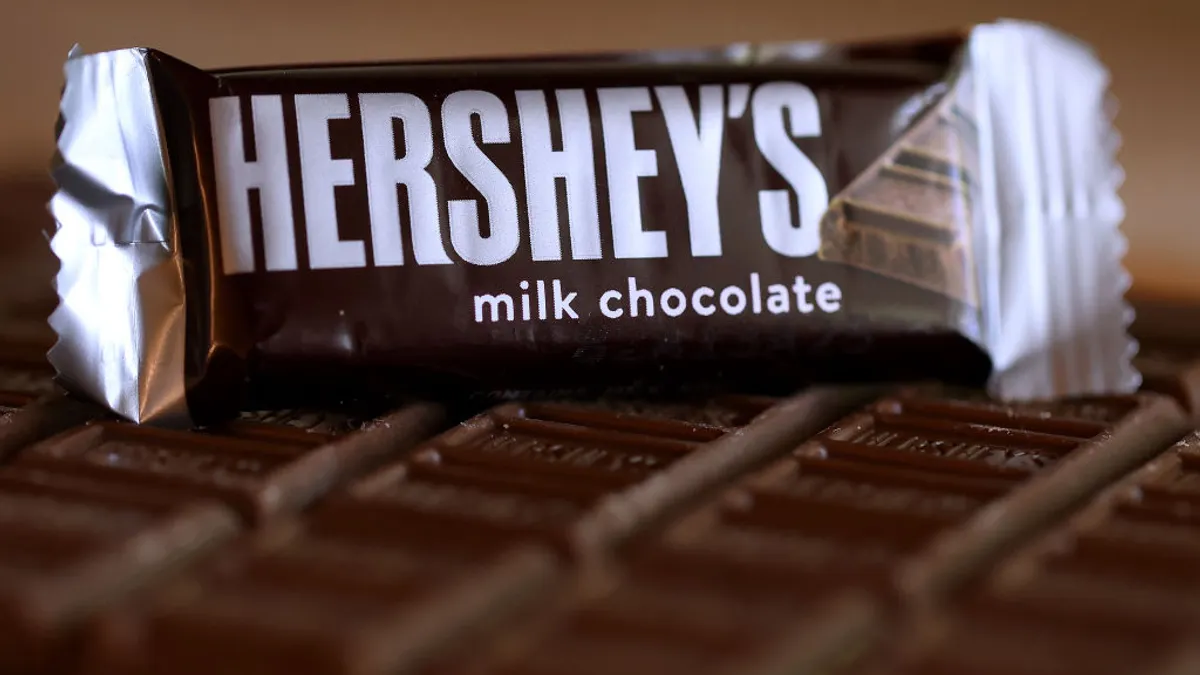
Each week, Hershey CEO Kirk Tanner studies the performance of nearly two dozen competing food companies to ensure that the Reese's and SkinnyPop owner stays on top.
“We’re growing faster than all of them," Tanner said of Hershey’s competitors.
Since taking over the 132-year-old snacking behemoth last August, Tanner has remained laser-focused on how Hershey can be the leader in the "next-generation of snacking." The CEO's strategy looks to ensure its core brands remain relevant while deepening Hershey's presence in spaces such as better-for-you and functional foods.
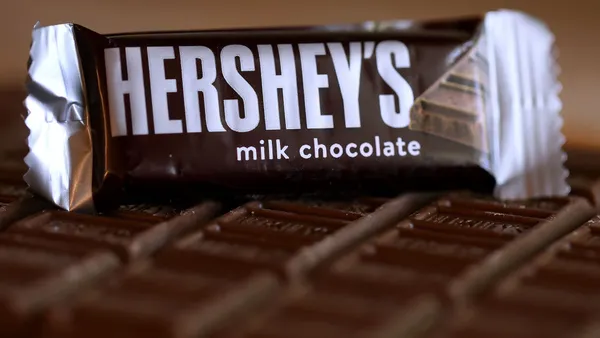
The company has posted strong growth behind its two biggest and most iconic brands, Hershey’s and Reese’s. It has also benefited from strong sales of newer offerings such as SkinnyPop popcorn and Dot’s pretzels, which consumers view as better-for-you treats. Sales at the sweet and salty snacks maker rose 4.4% in 2025 to $11.7 billion.
Hershey's varied lineup, spanning from indulgence to functional products, has helped the company remain resilient in the face of slowing consumption, higher costs and growing adoption of GLP-1 medications for weight loss.
“We're in a unique position,” Tanner said. “We have a portfolio that is demonstrating that it can grow in this environment. It's in the right consumer places.”
While companies such as Conagra Brands and Kraft Heinz are forecasting flat or declining sales for 2026, Hershey is predicting an increase in organic net sales by 2.5% to 3.5% during its current fiscal year due to price increases and innovation.
Hershey's partnership with Mondelēz International on Reese’s Oreo cookies and cups, for example, has generated $100 million in retail sales in five months for the cups alone, even though they’re still rolling out to the market. Hershey also expanded Dot’s, the top pretzel brand by market share, into snack mixes — a sleepy category it deemed ripe for disruption.
The company's dominant position in snacking is supported by its long-term belief that the category is resilient and will continue to grow. Hershey told analysts during an investor day in New York City that snacking will grow 2% to 3% annually through 2027, potentially topping 3% by 2028 as increased Gen Z spending power and additional innovation in on-trend categories provide a tailwind.
“You have to make choices and know where you can play and know where you can't play, and businesses can get distracted by the smaller things,” Tanner said. “[For us,] what is leading the next generation of snacking is making our core brands super relevant while innovating into those growth spaces.”
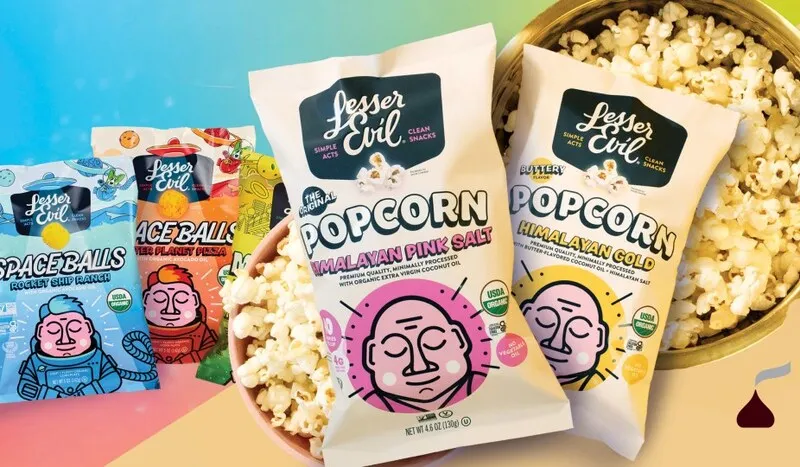
Hershey is leaning into those faster-growing snacking segments like nutritional bars, where it’s a big player through its One and Fulfill brands. It's also paying more attention to expanding Dot’s and LesserEvil, a better-for-you snacking platform of popcorn, cheese puffs and other offerings
Moving forward, Hershey could tap into existing brands or turn to M&A to grow further in these areas, Tanner said.
“There are no victory laps. You're always hungry for more,” Tanner said.