From gut health to emotional wellness, consumers are demanding a lot more out of their beverages.
As alcohol consumption declines and shoppers become more focused on their health, functional beverages are having a moment. These drinks have added benefits beyond taste, offering novel ingredients that can act as a social lubricant or improve physical and emotional health.
While protein and probiotics continue to dominate the functional beverage space, companies are beginning to expand their horizons to differentiate themselves and stand out in a crowded field. Collagen for beauty and electrolytes for hydration are becoming a new frontier, and offer pathways for major beverage makers such as PepsiCo or Monster to reach new consumers.
The functional beverage sector also tends to be ground-zero for new innovations that could eventually make their way into food. The protein and fiber craze started with shakes and prebiotic sodas, for example, and new trends within the space could further influence adjacent food sectors, like snacking.
In this trendline, we explore how major companies and upstarts are influencing the functional beverage space and which ingredients are resonating most with consumers.
Beverages become essential to consumer wellness routines: report
The success of hydrating and functional drinks is pushing brands to align more with shoppers’ daily health rituals, according to Numerator.
By: Amanda Schuster• Published July 31, 2025
Diet and exercise support a healthy lifestyle — but so do our drink choices.
Consumers are demanding more from their drinks, looking for ingredients that boost hydration, mood, gut health and more. While wellness beverages and mixers often cost more than popular sugary soda brands, consumers seem willing to pay for them.
Hydration is the main goal. According to Numerator, 34% of beverage shoppers plan to drink more tap water and 26% more bottled or canned water in the coming year. While wellness mix-ins like probiotic and protein powders are growing, brands like Sonic and Jolly Rancher offer low- or zero-sugar powders simply to make hydration more interesting. Despite economic concerns, retail sales data shows steady growth in the beverage sector, highlighting priority consumer spending.
Gen Z is driving demand for flavorful, convenient non-alcoholic drinks that can be consumed on the go or socially, no mix-ins needed. Though drinking less alcohol, their per-drink spending is on par with older generations. The fastest-growing category features a wide flavor range — from sweet to savory — and includes energy drinks, soft drinks, bottled water, sports drinks, kombucha, and CBD-infused options. According to Numerator, 85% of the top 20 growing brands fall into these active lifestyle categories.
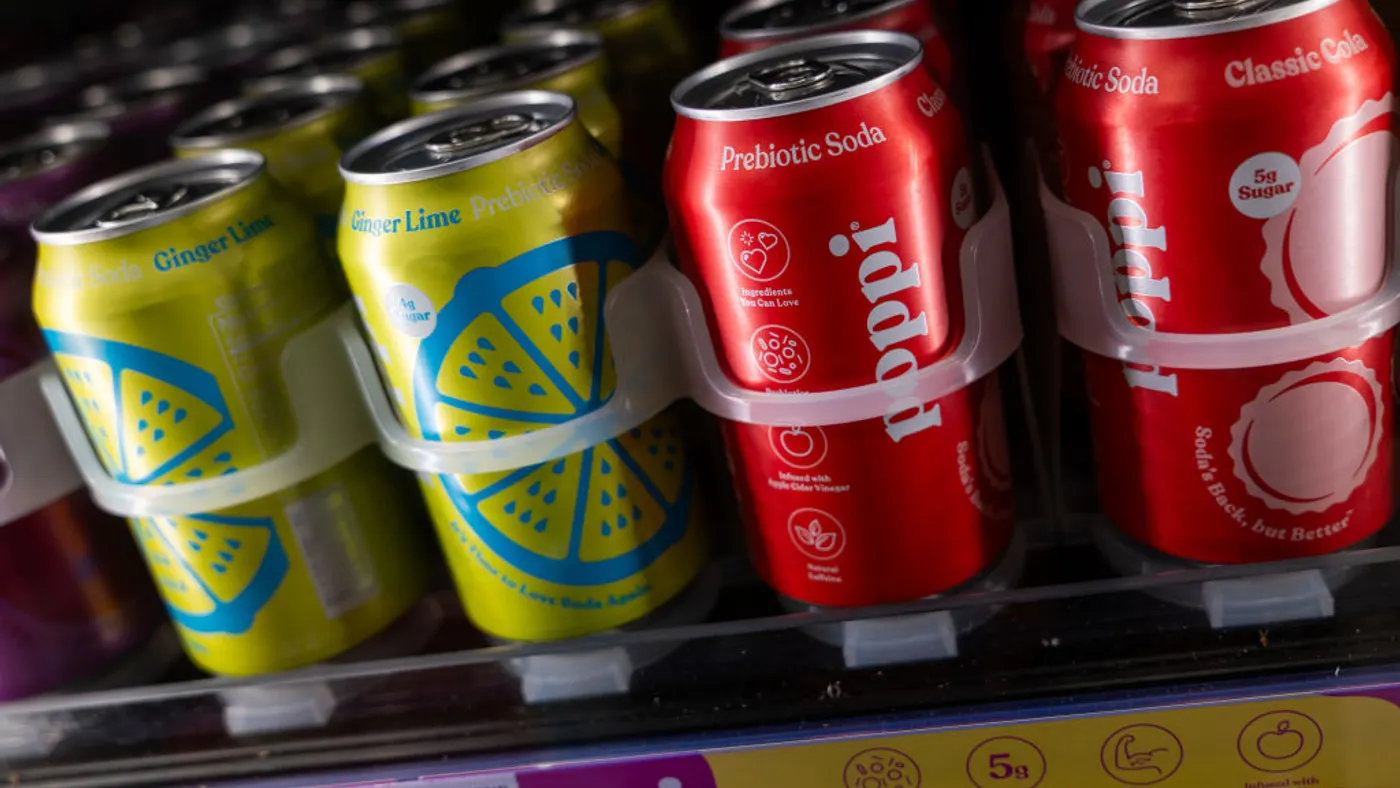
Within soft drinks, the low or no sugar flavored soda category in particular has seen significant growth and expansive choices, with brands like Poppi and Health-Ade's SunSip leading the charge. The success of naturally-flavored, low sugar non-alcoholic beverages is pushing brands to align with daily rituals and deliver what the report calls a “comforting yet exciting hydration experience.”
“Most consumers just want to drink soda without compromising their health,” says Bridget Firtle, founder of Rockaway Soda, a line of non-alcoholic carbonated beverages sweetened with real juice — only 7 grams of sugar per serving — and sea salt, said to boost electrolytes. “Time, research and consumer behavior have shown just how detrimental overly sugary drinks can be for you which is the foundation driving the category.”
While celebrities still back alcohol brands, there’s a clear shift toward low-sugar sodas—like Guy Fieri’s collaboration with Waterloo on culinary flavors such as Sparkling Lemon Italian Ice and Spiced Mango Sorbet (yes, the mayor of “Flavor Town” now rules over sparkling water), and Gillian Anderson’s G Spot, a “functional” soft drink line made with adaptogens and nootropic cognitive enhancers.
“We’ve created something that celebrates feeling good in your own skin,” says Anderson. Adding that it’s “functional refreshment that makes wellness feel like an indulgence rather than an obligation.”
Article top image credit: Spencer Platt via Getty Images
Beyond protein: The new wellness trends shaping food and beverage
Consumers are looking to improve their physical and emotional health through what they eat and drink, driving demand for functional ingredients such as fiber or adaptogens.
By: Laurel Deppen and Sarah Zimmerman• Published Jan. 28, 2026• Updated Jan. 28, 2026
Once catering to a niche set of consumers, health and wellness claims are now a mainstay in food and beverage innovation as shoppers demand more out of what they eat and drink.
Health-focused social media influencers, evolving diet fads and the rise of GLP-1 medications for weight loss have led to dozens of micro-trends where certain ingredients are touted as ways to boost mood or address specific health concerns.
Protein, which saturated the market in 2025, is now table stakes for the general population. A whole new crop of functional ingredients is beginning to take over the market, including fiber and colostrum for gut health, sea moss and collagen for healthy skin and nails and lion's mane and ashwagandha for energy support.
"People are just thinking more and more about what they're consuming," said Scott Dicker, senior director of market insights for consumer data company Spins. "There's still this idea of indulgences, but it's just being more intentional [about] when and how you indulge."
Fiber is on the come up, but protein hasn't peaked
Diet trends like "fibermaxxing" and greater awareness around gut health are propelling fiber to the forefront in 2026, but protein will remain a "wellness powerhouse," Lu Ann Williams, president and co-founder of Innova Market Insights, said in a webinar.
"Everything now is about taking this more holistic approach. It's not just protein."
Lu Ann Williams
President and Co-Founder of Innova Market Insights
Consumers see fiber as capable of far more than just improving digestion health, linking it to improved skin, decreased inflammation and improved mood. Over half of consumers see gut health as important to their overall health, according to an Innova survey. Another 44% said they notice when they improve their gut health, they also have improvements to their energy, skin or immunity, according to Williams.
Those layered benefits position fiber as a "gateway for holistic wellness" for food companies, Williams said. Fiber's digestive qualities also provide an opportunity to appeal to GLP-1 users, as the medication can cause gastrointestinal side effects.
Companies should take a similar holistic approach when it comes to marketing protein, Williams said, adding it's not enough to "slap protein [in] something." Brands need to add other functional ingredients in addition to protein in order to stand out, or explain how their protein source can provide specific benefits in weight management or muscle mass recovery.
"Everything now is about taking this more holistic approach," she said. "It's not just protein. It's either a better, absorbable protein, or it's about protein related to another benefit that's really important."
Optional Caption
Courtesy of Danone
Even with fiber gaining momentum, it’s unlikely to exceed protein's popularity, in part because there's a "lower ceiling," Dicker said. Only so much of the ingredient can be added to foods, with Dicker noting "you definitely notice if you've had too much fiber."
Combining fiber and protein together, however, is a major opportunity, particularly for consumers on GLP-1s for weight loss. Medications like Ozempic suppress appetite, requiring more nutrient-dense food to make up for lower consumption.
“As people eat less food, especially those on GLP-1s, they’re going to have to eat more nutrients,” Williams said. “Protein and fiber are going to be really important.”
Emotional health is in the spotlight
The health and wellness movement encompasses more than just physical health for consumers, who are also looking to food and beverages to support their emotional and mental wellbeing.
Mood-boosting chemicals such as adaptogens and nootropics are meant to improve chemical function and overall wellbeing. Meanwhile, brands like mocktail maker Recess are using magnesium or other ingredients to promote sleep.
Innova found that 60% of Gen Z and millennials say they are concerned about their mental health, with most wanting to improve areas including anxiety, focus, energy and memory. Energy is the top concern for consumers, which has paved the way for new innovations in the category.
Though it’s not always marketed this way, the energy category is one of the original “functional beverage” segments, Dicker said.The perception of the category has now shifted from party beverages to drinks that support active sports and performances, Dicker said.
Energy drinks are now adding more functionalities, including specific nutrients to achieve certain health benefits and attract more women. For example, podcaster Alex Cooper’s Unwell Beverages includes biotin for hair health in its better-for-you energy drinks.
As consumers have broadly begun moderating their alcohol intake, Dicker hypothesizes that they may rethink their caffeine consumption next, leading to more opportunities for companies to differentiate caffeine levels or introduce alternatives. Decaffeinated offerings, mushroom coffee and "crash-free" ingredients like paraxanthine have all grown in popularity, he said.
The mood support category in beverages has been growing for a long time, said Dicker, but it’s been accelerated by people drinking less alcohol and seeking an alternative for a nightcap. However, it often takes weeks of consistently consuming magnesium or other ingredients to notice results, making it unclear if the trend will last.
"I do think that it's still a very large opportunity, but people want to feel an acute feeling from it,” Dicker said, adding that people may not have the patience to drink a product daily for long periods before experiencing results.
The future of this emerging sector, he said, will also depend on if any brands are able to reach mainstream acceptance.
“It takes a few brands to really execute and really catch lightning in a bottle,” Dicker said.
For decades, energy drinks appealed to consumers with big flavors, bold brands, and a highly caffeinated experience. Lately, energy drinks are becoming a drink of choice for a broader range of shoppers. In fact, 41% of beverage consumers purchased an energy drink in the prior year, according to a new survey from Kyowa Hakko. The survey shows that athletes, parents, professionals, and students now share the aisle; there is no single archetype for energy drink consumers.
Today's energy drink consumer profile spans genders, ages, life stages, and types of work. According to the survey data, energy drink buyers are more engaged with health than the average beverage shopper. For example, this cohort takes more supplements and exercises more often. Furthermore, three-out-of-five energy drink consumers expressed strong interest in beverages for cognitive health benefits, significantly higher than the average.
With a broader audience for energy drinks comes a broader set of need state and lifestyle benefits. More than half said improving mental energy would matter most for enjoying time with family, working out and training, and productivity at work—also significantly higher rates than the average beverage consumer. They are more likely than the average beverage consumer to report experiencing certain cognitive challenges: more than half said they experienced anxiety (51%), lack of motivation (52%), or high stress (53%) in the past month. They are more likely to report a lack of mental energy, difficulty concentrating, or a lack of productivity.
Unsurprisingly, this group of consumers is also more likely to want ingredients that support memory, focus, cognitive health, and long-term brain health. In fact, four-out-of-five energy drink consumers said they are likely to purchase a beverage if it contains a nootropic ingredient supporting focus, memory, mental energy, and cognitive function. Furthermore, 69% are seeking more non-stimulant ingredients that support mental energy. These findings point to strong demand for energy drinks that provide cognitive health benefits in addition—or as an alternative—to caffeine and other stimulants.
Only 57% of beverage consumers said they are satisfied with energy drinks on the market. Nootropics with clinically proven benefits can help brands bridge the gap, as 74% of energy drink consumers said they want more scientifically backed ingredients in energy drinks. Clinically backed ingredients are not just a nice-to-have; they drive purchase, with energy drink consumers reporting that they will look beyond their favored format to get these benefits. According to the survey, there is strong interest in fruit juice, tea, protein drinks or shakes, hydration beverages, sports drinks, and bottled/canned water.
The interest in other formats underscores another important trend: the very definition of “energy drink” is broadening. While 22% of beverage consumers define an energy drink as "caffeinated and sweet drinks with a noticeable caffeine kick," 35% define them as a "brain-boost drink for focus, mental energy, productivity, and memory.”
The energy drink consumer is ready for nootropic beverages that provide multi-faceted cognitive health benefits—going much further than quick energy boosts alone. Now, the challenge is on brands to think outside the energy drink can and take mental energy, focus, and memory benefits to tea, water, juice, protein shakes, and beyond.
Article top image credit:
goami / stock.adobe.com
PepsiCo taps into protein boom with 3 beverage innovations
Innovations to Muscle Milk, Propel and Starbucks Coffee will reflect growing consumer demand for the nutrient throughout the day.
By: Laurel Deppen• Published Oct. 14, 2025
PepsiCo is enhancing its protein offerings with refreshed options across three beverage brands as nutritional drinks continue to power sales across the industry.
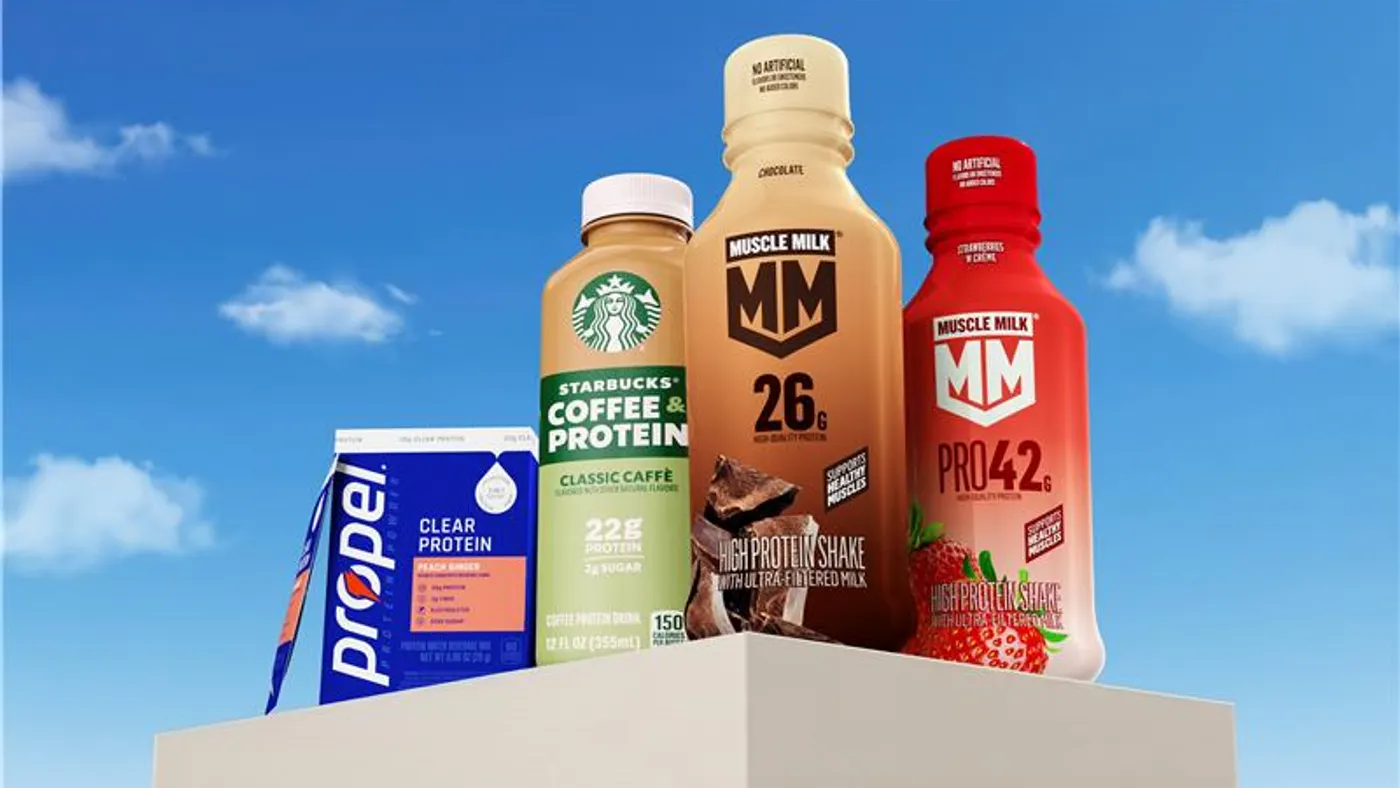
The new lines, which will come to market early next year, include updates for the Propel, Muscle Milk and Starbucks Coffee brands.
The food and beverage giant is aiming to stand out in the crowded market by highlighting how the beverages can boost health outcomes rather than solely touting the amount of protein grams per drink.
During PepsiCo’s earnings call in October 2025, executives pointed to protein as a growth opportunity for the food and beverage giant. With the new product launches, PepsiCo wants to create protein-enhanced beverages that customers can consume at multiple times throughout the day.
“We're focused on delivering protein in ways that work with the body, not just focused on adding grams,” Ram Krishnan, CEO of PepsiCo Beverages, said in a statement.
Propel Clear Protein is a flavored powder mix that includes added electrolytes and fiber, and the launch is meant to bring the brand deeper into the functional hydration space. The product is targeted at GLP-1 medication users, PepsiCo CEO Ramon Laguarta said on the call, who noted fiber might be the next big trend in functional drinks.
As consumers look for more health benefits out of their beverages, companies like PepsiCo are seizing the opportunity to innovate with new ingredients.
“That will have a multiyear innovation opportunity for us as we see consumers looking for more functional solutions in drinks that are not even available right now in the market,” he said.
PepsiCo also plans to reformulate Muscle Milk to make it smoother and shake-like. Laguarta said the company’s goal is to give consumers a drinkable alternative to meals and snacks.
PepsiCo is positioning Muscle Milk as the only ready-to-drink protein beverage without artificial sweeteners and added colors. To support the change, the CPG giant is modernizing its packaging.
The third beverage PepsiCo is targeting is coffee, through its North America coffee partnership with Starbucks Coffee. The protein-enhanced drink will include added protein, fiber and vitamins and minerals.
The protein innovations are part of PepsiCo’s broader strategy to add better-for-you options to its portfolio. Earlier this year, the CPG giant released versions of some of its popular products without artificial colors and flavors.
Article top image credit: Courtesy of PepsiCo
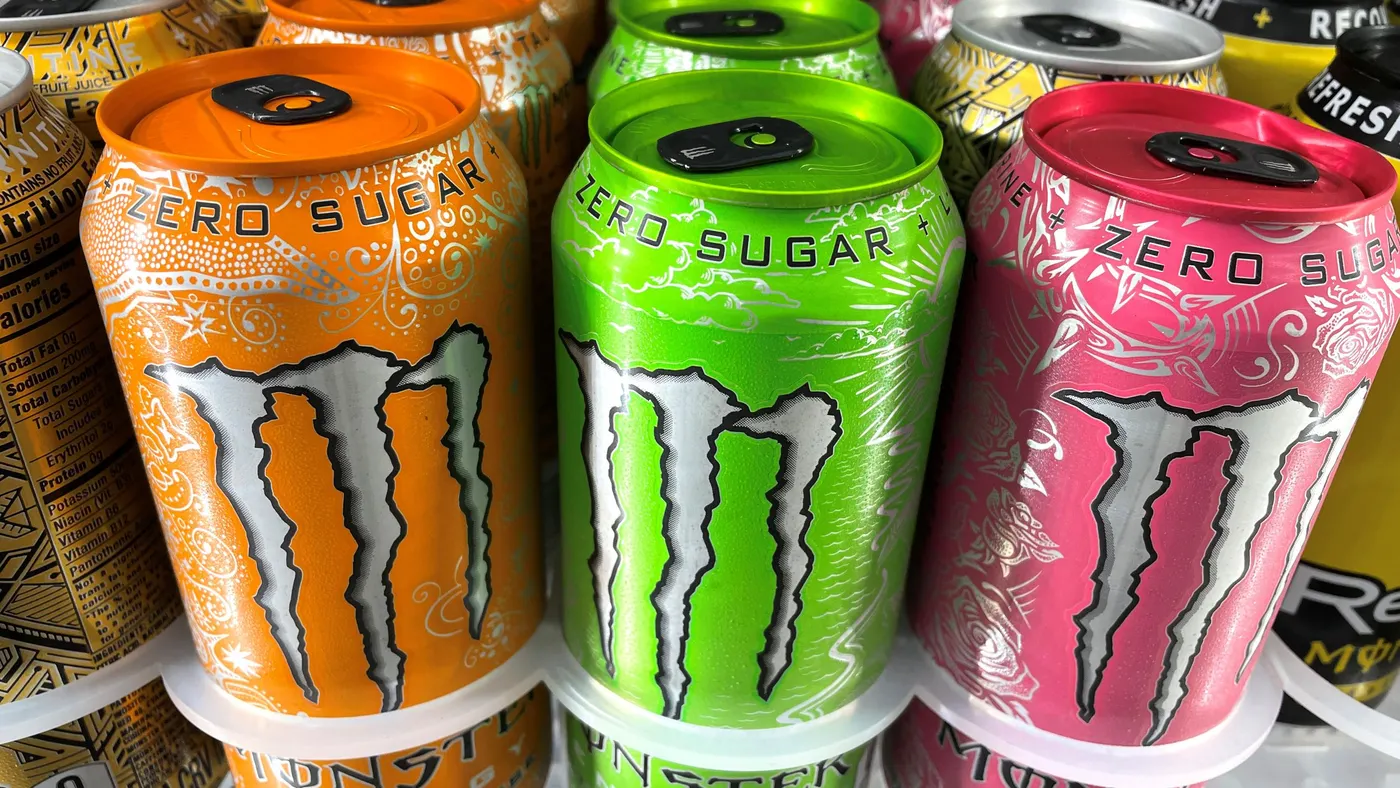
Monster takes on Alani Nu with female-focused energy drink
Flrt, set to make its debut in early 2026, is sugar free and includes functional ingredients supporting skin and hair health.
By: Laurel Deppen• Published Nov. 18, 2025
Monster Beverage Corporation is planning to launch a female-focused energy drink line as rivals such as Celsius find success with products that specifically appeal to women.
Flrt is set to launch in the select channels in the first quarter of 2026, executives said in an earnings call earlier this month. The female-focused beverage brand will launch with four initial flavors: strawberry fling, guava lava, berry tempting and sunset squeeze.
The drinks will be sugar free and include other “ingredients we believe will appeal to our target audience,” Monster CEO Hilton Schlosberg said in an earnings call. The website lists Flrt as having ingredients that boost collagen or support immunity, skin and hair health.
By launching an energy drink with better-for-you elements, Monster is positioning itself to compete with other female-focused energy drinks in the market.
One of its largest competitors will be Alani Nu, which energy drink giant Celsius bought earlier this year for $1.8 billion. Alani surpassed $1 billion in sales in April and helped drive an 84% increase in Celsius revenue during the second quarter.
In a presentation to investors, Celsius Chief of Staff Toby David referenced Monster’s entry into the female-forward energy drink market, and said it takes a while to build a brand.
“Celsius, I mean, we've been around forever,” David said. “This is something that takes time, and we feel like we're clearly the leaders within the category, especially when it comes to female and sugar-free. While we anticipate there's going to be other players that come into the fold and there always will be, we've got a head start.”
Flrt is also the latest in a growing trend to cater to a health and wellness trend largely driven by women who want lower sugar, lower caffeine levels and other functional benefits. C4 Energy drink maker Nutrabolt bought into better-for-you company Bloom Nutrition earlier this year, which expanded its wellness offerings and its portfolio with more drinks to appeal to women.
A Monster spokesperson declined to provide additional details about Flrt.
Growing demand for energy drinks has benefited Monster, an early entrant in the space. The company reported third-quarter net sales of $2.2 billion, which represented a 16.8% increase from the prior year.
Its energy drink segment, which includes Monster, Reign and Bang, grew 17.7%. Monster is planning to launch a variety of new drinks to capitalize on the buzzing energy market, including Monster Energy Ultra Punk Punch, Full Throttle Red Apple and NOS Grand Prix Guava. It also is planning another zero-sugar drink called Storm Energy that also has added wellness elements, according to the call.
Article top image credit: Justin Sullivan via Getty Images
Hop water to fill wellness niche in nonalcoholic beer
Brewers are playing up the sparkling beverage’s better-for-you attributes to appeal to a wide variety of consumers.
By: Laurel Deppen• Published Dec. 4, 2025
Hop water has carved out a space for itself in the nonalcoholic beer category, but to expand further, the segment is taking a page out of the better-for-you beverage playbook.
Sometimes called the “LaCroix of beer,” hop water is a sparkling water flavored with hops, the flowers that give beer its bitterness, taste and aroma. The beverage was first introduced in 2014 by home brewer Paul Tecker, and became one of the first players in the nonalcoholic beer space that began to take off a few years later.
But despite being a pioneer in the nonalcoholic sector, hop water has still struggled to take off — even as the nonalcoholic category overall explodes. Hop water generates about $28.5 million in U.S. sales, according to data from NielsenIQ, a small percentage of the nonalcoholic segment, which is set to reach $1 billion by the end of this year.
Sales of nonalcoholic beer grew 18% year over year during the 52-week period that ended Oct. 25, according to NIQ data, while hop water experienced a 7.3% decline.
However, experts agree there is still potential for the space, especially amid the rise of functional beverages with better-for-you attributes like no sugar or low carbs.As alcohol sales have dwindled, beverages with added functional properties have seen increased demand, including sodas with added prebiotics and energy drinks with added vitamins.
That could play to hop water's advantage. Unlike nonalcoholic beer, hop water typically has no calories, carbs, sugar or gluten.
Kaleigh Theriault, NIQ’s director of beverage alcohol thought leadership, said hop water's slowdown represented a maturing phase for the product after it saw curiosity-driven expansion when it first launched. But she still sees potential for a resurgence due to the drink's better-for-you attributes.
“Despite current declines, Hop Water’s premium positioning and crossover appeal to health-conscious consumers suggest potential for renewed growth as brands innovate in flavor, functionality, and distribution,” Theriault said.
The hop water segment has also attempted to carve out a place for itself in the THC-infused beverage category, with offerings from Hybrid, Lagunitas, Hop Dreams Sweet Dreams, and some regional players. This segment could be thwarted, however, by recent legislation that limits the amount of THC, the main psychoactive ingredient in marijuana, in products.
Brewer Sierra Nevada launched its line of hop waters, dubbed Hop Splash, in response to the national trend in alcohol shifting to moderation in 2022. The company was looking to launch a product that still creates the feeling of a beer that also could serve as a healthier alternative to soda, said Ellie Preslar, Sierra Nevada's chief commercial officer.
Moving forward, hop water makers are looking to expand their consumer base beyond the nonalcoholic beer drinkers and cater to growing demands for health and wellness. Sierra Nevada’s hop water, which makes up just 1% of the brewer's business, has seen the most success in wellness-focused spaces, including natural grocery stores.
“I think it’s just because of what they’re looking for from an ingredient and quality perspective,” Preslar said. “It really seems to fit. That’s where these products have taken off more than anywhere else.”
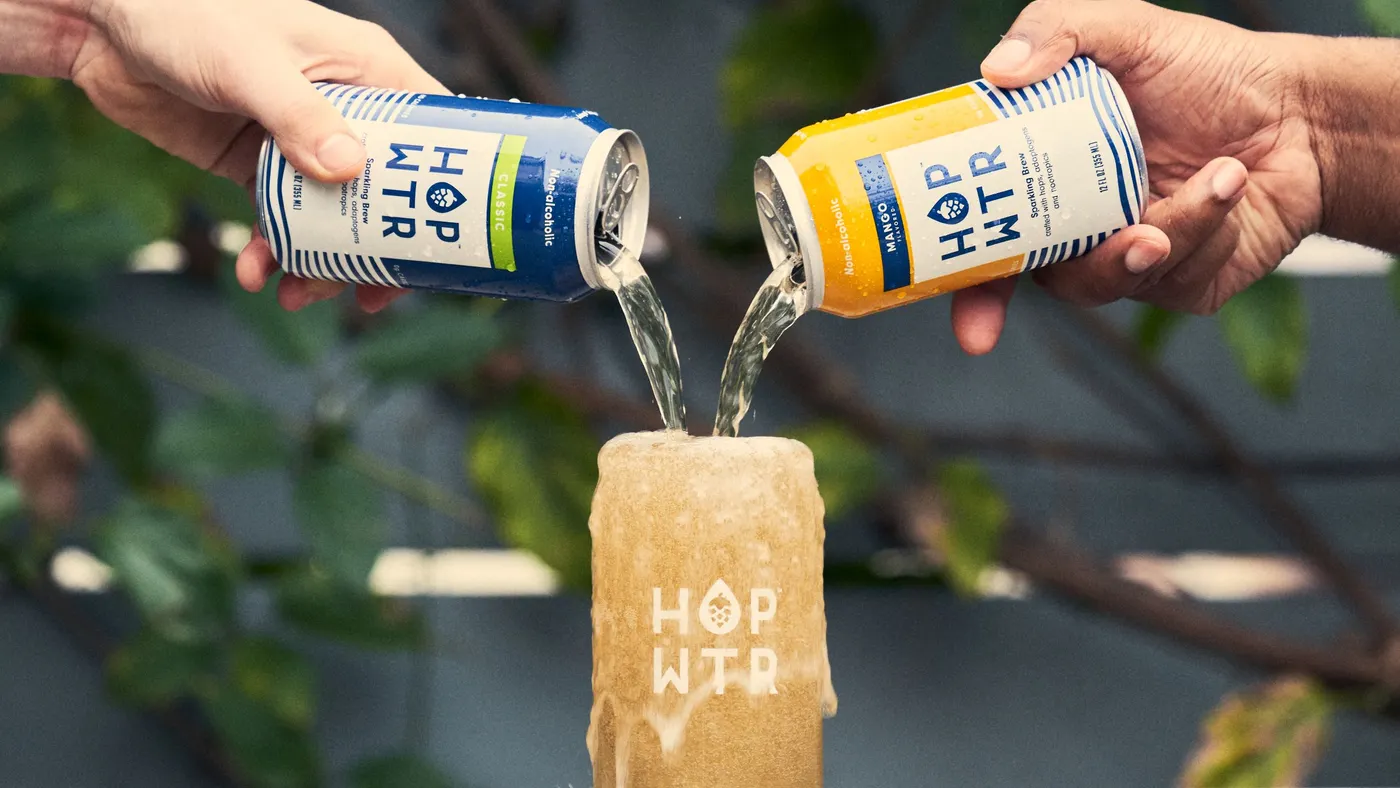
Hopwtr, a company founded in 2020 that exclusively sells the beverage, is leaning its marketing heavily into promoting itself as a functional beverage. Jordan Bass, cofounder and CEO of the company, said one of its key differentiators is adding mood-boosting adaptogens and nootropics to its content.
Appealing to both beer consumers and wellness consumers makes the market a bit wider, Bass said. But one of the biggest challenges faced by the hop water segment is that many consumers don’t know what it is.
To build excitement, producers are focused on new flavors and innovation, a similar tactic to what brewers did to build up the craft beer segment. Sierra Nevada sells hop water in a multipack with several different flavors, according to Preslar.
New flavor innovation has also been core to Hopwtr’s approach. It recently released a combined iced tea and lemonade flavor, which was driven by a growth in hard teas, and a spiced apple seasonal offering.
“Consumers always report flavor as one of their top purchase drivers,” Bass said. “We felt it was really important to have a great array of flavors.”
Article top image credit: Courtesy of Hop Wtr
Hydration for her: Coconut water brand Greater Than pivots to reach more women
The brand is unveiling a new formula and look as it aims to shake up the traditional hydration category.
By: Laurel Deppen• Published March 17, 2026
Coconut water company Greater Than is relaunching the brand as a women's hydration beverage.
The company, founded in 2010, was initially designed as a sports drink free from synthetic dyes, artificial flavors or sweeteners. Last month, it announced a comprehensive rebrand with a new recipe and updated packaging to become a women’s hydration “elixir.”
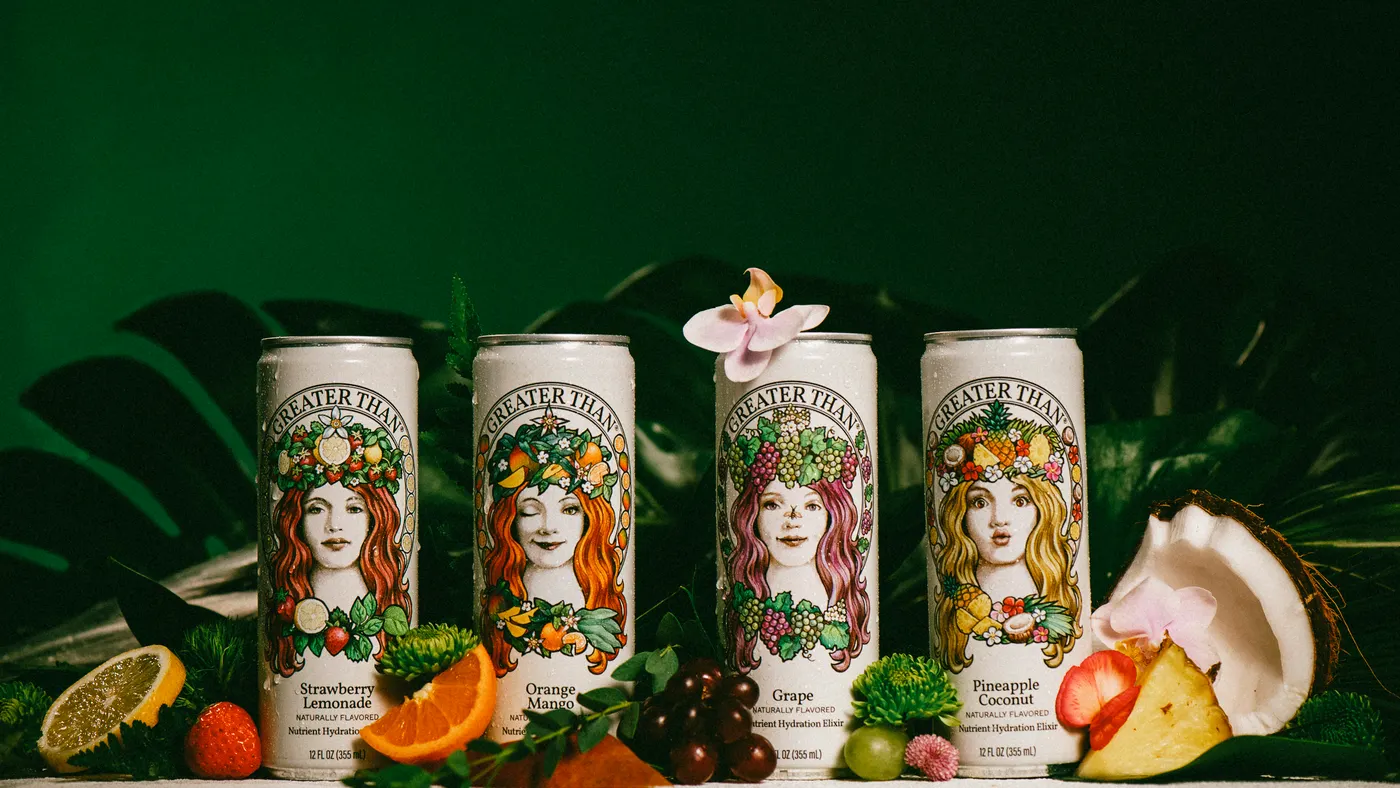
Greater Than’s new product is still coconut water-based and includes three servings of fruits and vegetables for added fiber, plus vitamins A, C and E. The formulation also uses 85% less added sugar than traditional hydration beverages, per the company. Flavors include strawberry lemonade, orange mango, pineapple coconut and grape.
The broader hydration category has been shaped by male physiology, which doesn’t address women’s specific health needs, according to Brianna Harris, a registered dietitian and Greater Than’s director of research development and education. The brand is working to fill a gap in women’s diets, which is why adding fiber to the beverage was so crucial.
“We also saw a lot of trends in the hydration space, and people want more out of their beverages,” Harris said. “Hydration alone is not cutting it.”
Women are increasingly driving demand for better-for-you beverages such as energy drinks and sodas. Brands including Poppi and Alani Nu have found success through formulations that speak to women's specific health needs.
Greater Than executives think the brand’s designation as a beverage strictly “for her” will allow it to stand out against its competitors in hydration, where there are fewer options designed for women. The brand has had a cult following among breastfeeding mothers since 2019 for its ability to assist with lactation.
The refreshed brand will look beyond new mothers, however, to support women throughout their life and for “phases and stages” such as puberty, pregnancy and menopause, said Heather Howell, president and CEO of Greater Than.
In the future, the company plans to test new flavors and a sparkling option. It will also prioritize launching new beverages focused on supporting women through different life stages based on emerging research.
“When you listen to women, you create movements, and you create categories,” Howell said.
Howell, who worked at Brown-Forman as head of global innovation for Jack Daniel’s, said too many brands try to reach women with fun packaging instead of designing a product that speaks to a consumer's needs.
“You do not have to color Jack Daniel’s pink in order to get women to purchase it,” Howell said. “You just have to talk to them.”
Article top image credit: Courtesy of Greater Than
Vita Coco flexes back into sports and fitness
The coconut water brand, with more than $500 million in annual sales, is going back to its roots to help boost revenue and attract younger consumers.
By: Christopher Doering• Published Jan. 13, 2026
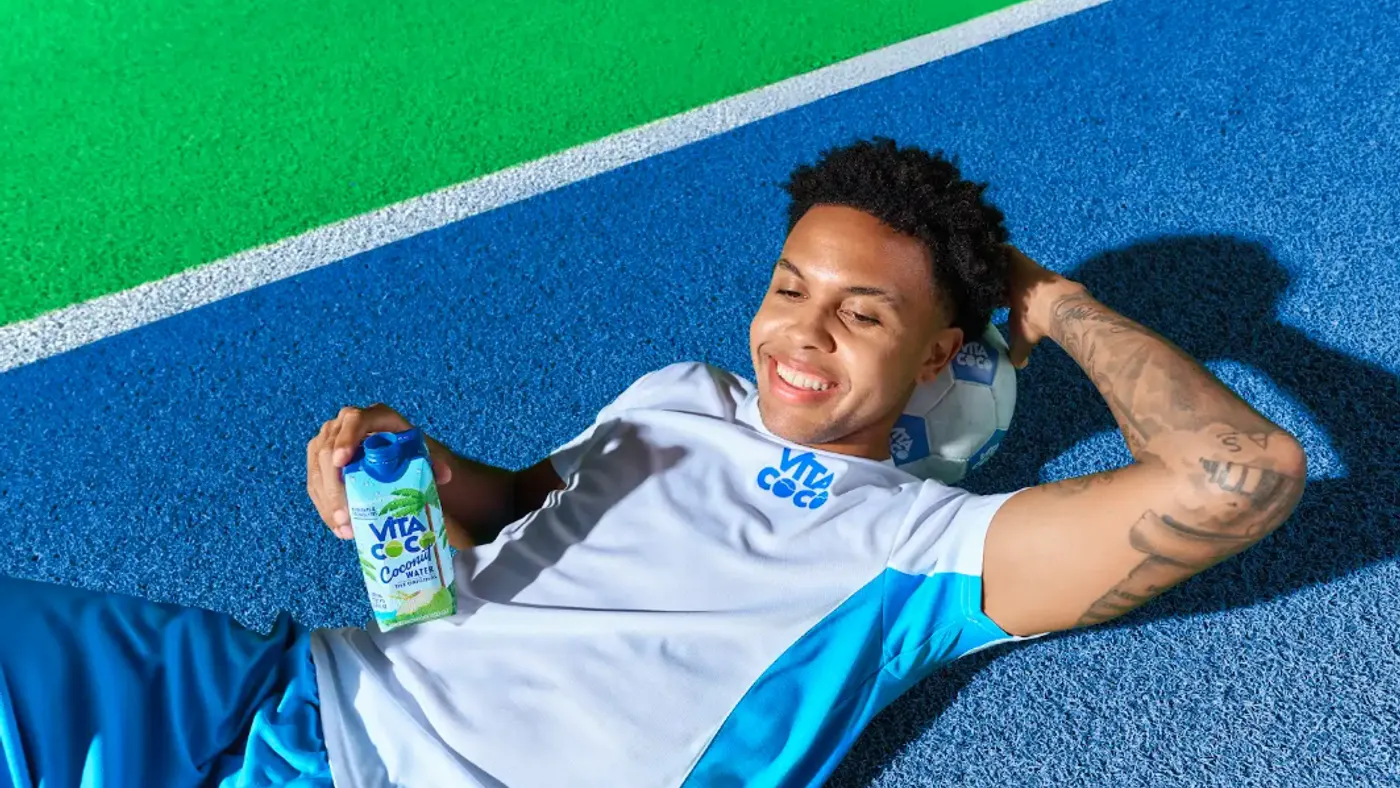
Vita Coco is returning to its fitness roots as more consumers turn to coconut water as a healthier alternative to sports drinks.
The beverage brand was founded by Mike Kirban and his friend Ira Liran after watching people in Brazil drink coconut water on the beach and at the gym. Recognizing an untapped market back in the U.S., they created the Vita Coco brand in 2004.
At first, Vita Coco found success by targeting hot yoga classes and striking partnerships with athletes such as baseball infielder Alex Rodriguez and football running back Marshawn Lynch. But over time, Vita Coco’s early focus on sports in the U.S. took a back seat to other, more promising opportunities.
The company noticed consumers used coconut water for a wider range of occasions, either to nurse a hangover or as an added ingredient in cocktails, smoothies and protein drinks. With a limited marketing budget, executives prioritized gaining household penetration for the fledgling brand by educating consumers on the different ways they could use Vita Coco.
Now, nearly two decades later, Vita Coco is making a bigger push for sports and fitness. The decision comes as the coconut water grabs market share from brands including Coca-Cola’s BodyArmor and Pepsico’s Gatorade.
Until recently, sports drink customers were responsible for one-third of its growth, but that pace “has accelerated,” according to Kirban.
“We’re really just coming back to where we started and back to the main message,” he said. “We’re very positioned to lean into that pretty hard.”
The billion-dollar-plus coconut water space as a whole has matured, with household penetration at roughly 25%, up sharply from a decade ago, Kirban added. Vita Coco has been a major contributor to that expansion, placing it in a more advantageous position to look for additional forms of growth.
Today, Vita Coco controls about half of the coconut water market in the U.S, and significantly more if you add in its private-label business.
Sales at the New York-based company, which has posted a five-year compound annual growth rate of 12.5%, totaled $516 million last year. Vita Coco is aiming to top the $1 billion threshold in the next four to five years through increased market penetration in the U.S., innovation and international expansion.
Promoting the beverage as a hydration source for sports and fitness not only increases usage occasions for Vita Coco, but also helps the company deepen its presence with younger consumers. Coconut water has seen an uptick in demand by Gen Z and millennials, consumers who are heavy users of sports drinks.
Coconut water has appealed to more shoppers due to its nutrient, vitamin and electrolyte content, as well as the absence of artificial dyes and flavors.
As part of its renewed push into sports, Vita Coco recently partnered with athletes from professional football, tennis, soccer and golf to promote the brand as a way to help their performance. In addition, it became the hydration sponsor of Rush Soccer, the largest youth soccer league in the world.
“We can use sports nutrition and sports hydration to bring in even younger consumers,” Kirban said, noting they can continue to drink Vita Coco in college and into adulthood. "That's how things over time become a real household staple that is part of people's lives for generations.”
Article top image credit: Permission granted by Vita Coco
Celebrity-studded Caliwater bets cactus is next big wave in hydration
Despite a roster of investors including Demi Lovato and Benson Boone, the brand hopes to scale by focusing its messaging around taste.
By: Laurel Deppen• Published March 6, 2026• Updated March 9, 2026
Celebrity-backed Caliwater was founded with a simple idea, according to actor and co-founder Oliver Trevena: “Why coconut when you could cactus?”
Trevena, who said he was a big coconut water drinker, co-founded Caliwater in 2021 after discovering an alternative that he called “Mother Nature’s super fruit,” the prickly pear cactus. Caliwater is positioned as an alternative to coconut water and sports drinks with added electrolytes, less sugar and fewer calories.
While celebrity-backed beverages are nothing new, especially within the crowded beverage industry where brands use partnerships to stand out, Caliwater is uniquely stacked with star power.
Actress Vanessa Hudgens is another co-founder, and the brand launched a blood orange flavor endorsed by musician Demi Lovato. Other celebrity investors include Glen Powell, Gerard Butler and Cody Bellinger.
Caliwater recently added musician Benson Boone as an investor and partner. The brand has plans for Boone’s involvement, but didn’t provide specifics.
Despite the long list of celebrity backers, Caliwater highlights its taste more than anything. As a consumer of better-for-you beverages, Trevena joked that he might say he liked kombucha but “if I was put on a lie detector machine…it would probably beep.” Caliwater is meant to be the antithesis of that experience.
The hydration category has made a bigger splash in recent years as more consumers turn to the beverages for more than just sports. Hydration drinks like coconut water, which present themselves as a better-for-you alternative, have especially benefited with Vita Coco for example aiming to cross the $1 billion sales threshold in the next five years.
“Hydration and health is a massive factor for whatever country you live in, but especially in the U.S.,” Trevena, who is from the U.K., said at the Natural Products Expo West conference in Anaheim. “If you can drink something that you enjoy, and at the same time get health benefits from it, it’s kind of a win-win.”
While prickly pear is the base of all Caliwater’s drinks, the brand offers ginger and lime, pineapple and watermelon flavors. In addition to promoting its health and hydration benefits, Caliwater also wants to be positioned as a mixer for alcoholic beverages or mocktails.
The company recently launched in kids pouches as well, which Trevena said was important because “kids are just brutally honest. They can’t be influenced by [a] celebrity.”
The beverage is available in the U.S. and Mexico, and Trevena said the company is eyeing Canada for its next expansion.
As Caliwater looks to scale, it's also tapping its first CEO in Blair Owens, former chief executive of flavored water upstart Hint. Trevena said in a statement that Owens, who also held leadership and marketing roles at Coca-Cola and Monster, “understands how to scale brands with intention, build high-performing teams, and execute with discipline.”
Though Trevena’s resume includes acting in several movies, pivoting to something new like a beverage company provides a welcome challenge.
“The authenticity of [Caliwater] was there, [and] you know, it’s a challenge,” Trevena said. “We’ve created something that stands alone, and it’s not a quick fix. We’re not trying to win immediately.”
Article top image credit: Courtesy of Caliwater
Inside the rise of functional beverages
The soda category, long associated with high sugar content, is undergoing a massive disruption as newer brands with probiotic ingredients take on longtime stalwarts. The biggest players in the category are now racing to keep up either through acquisitions or their own products.
included in this trendline
Coca-Cola enters trendy prebiotic soda market with Simply Pop
PepsiCo buys prebiotic soda brand Poppi for nearly $2B
Why hydration drinks are quenching the beverage industry’s thirst for product growth
Our Trendlines go deep on the biggest trends. These special reports, produced by our team of award-winning journalists, help business leaders understand how their industries are changing.